

Introduction:
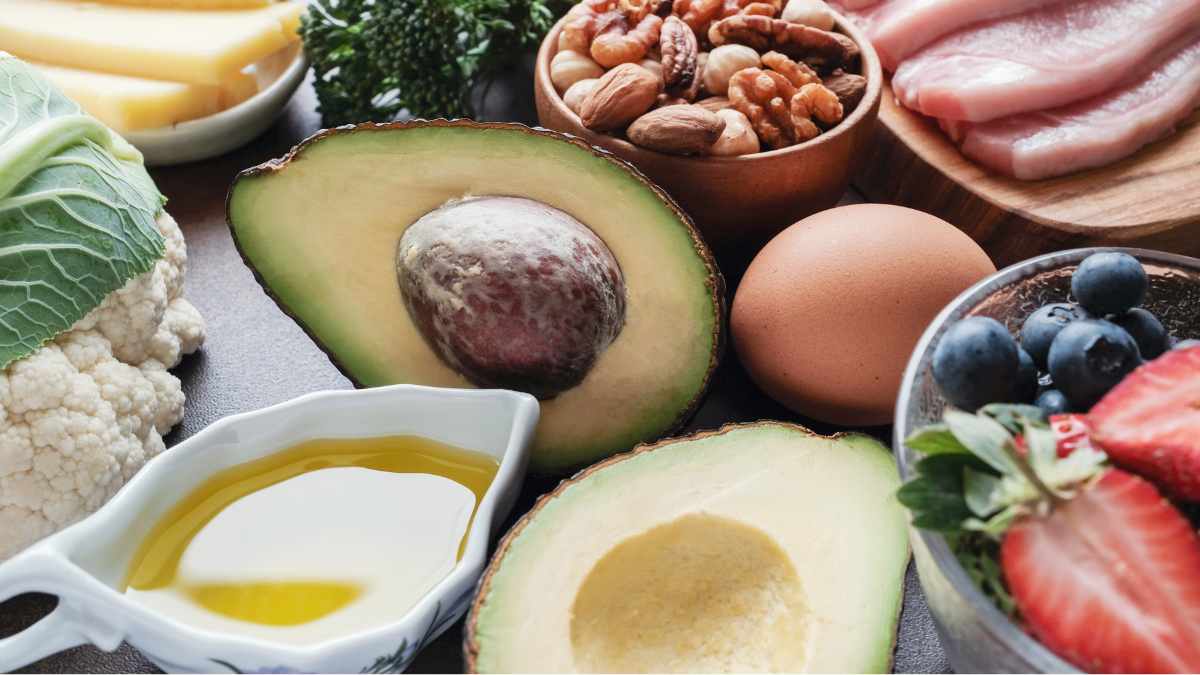
The ketogenic diet, often referred to as keto, has gained immense popularity as a weight-loss strategy and a potential therapeutic approach for various health conditions. The diet emphasizes high fat, moderate protein, and very low carbohydrate intake, aiming to shift the body’s metabolism into a state of ketosis. As individuals embark on their keto journey, they often seek alternatives to traditional sugary beverages, leading to questions about the suitability of drinks like Coke Zero. This article will explore whether Coke Zero aligns with the principles of a ketogenic diet.
Understanding the Keto Diet: Principles and Goals
The ketogenic diet is designed to induce a metabolic state known as ketosis, where the body shifts from using glucose as its primary energy source to utilizing fat. This is achieved by drastically reducing carbohydrate intake, typically to around 20-50 grams per day. The primary goal is to encourage the body to burn fat for fuel, which can lead to weight loss and improved metabolic health.
In addition to weight loss, the keto diet has been associated with various health benefits, including improved blood sugar control, reduced inflammation, and enhanced mental clarity. Many proponents of the diet report increased energy levels and reduced hunger, making it easier to adhere to dietary restrictions. However, achieving and maintaining ketosis requires careful monitoring of macronutrient intake.
For those following a strict keto regimen, understanding the nutritional content of food and beverages is crucial. This includes not only the number of carbohydrates but also the quality of those carbohydrates and their impact on blood sugar levels. As such, the question of whether Coke Zero fits into a keto lifestyle becomes particularly relevant.
Ultimately, the success of a ketogenic diet hinges on individual responses to different foods and drinks. While some may find that they can enjoy certain non-caloric beverages without disrupting their ketosis, others may need to be more cautious.
Analyzing Coke Zero: Ingredients and Nutritional Content
Coke Zero is a sugar-free soft drink produced by The Coca-Cola Company. It is marketed as a zero-calorie alternative to regular Coca-Cola, appealing to those seeking to reduce calorie intake while still enjoying a familiar taste. The primary ingredients in Coke Zero include carbonated water, caramel color, phosphoric acid, natural flavors, potassium benzoate, caffeine, and artificial sweeteners such as aspartame and acesulfame potassium.
From a nutritional standpoint, Coke Zero contains no carbohydrates, fats, or proteins, making it an attractive option for those on a ketogenic diet. The absence of sugar means that it does not contribute to the daily carbohydrate limit that is crucial for maintaining ketosis. However, the presence of artificial sweeteners raises questions about their effects on health and metabolism.
While Coke Zero is calorie-free, the artificial sweeteners it contains can have varying effects on individuals. Aspartame, for instance, has been the subject of extensive research, and while regulatory bodies deem it safe for consumption, some individuals report adverse reactions. Acesulfame potassium, another sweetener used in Coke Zero, is also considered safe, but its long-term effects are still being studied.
In summary, while Coke Zero does not contribute to carbohydrate intake, its ingredient profile necessitates a closer examination of how artificial sweeteners may interact with the body’s metabolic processes.
The Role of Artificial Sweeteners in a Keto Diet
Artificial sweeteners like those found in Coke Zero are often used as substitutes for sugar in various food and beverage products. For individuals on a ketogenic diet, these sweeteners can provide a way to enjoy sweet flavors without the associated carbohydrate load. However, the impact of these sweeteners on ketosis and overall health is still a matter of debate.
Research indicates that some artificial sweeteners may not raise blood sugar levels, making them potentially suitable for a keto diet. However, individual responses can vary significantly. Some studies suggest that certain sweeteners may trigger insulin responses, which could potentially hinder the state of ketosis. This variability means that individuals on a keto diet may need to experiment with different sweeteners to determine what works best for them.
Moreover, the long-term health implications of consuming artificial sweeteners are still being investigated. Some studies have linked high consumption of these sweeteners to metabolic disorders, gut health issues, and even increased cravings for sweet foods. Therefore, while Coke Zero may seem like a convenient option for those on a keto diet, its long-term effects on health should be considered.
Ultimately, the decision to include Coke Zero or other artificially sweetened beverages in a ketogenic diet should be made with caution. Monitoring personal responses and considering overall dietary patterns is essential for maintaining health and achieving dietary goals.
Assessing the Glycemic Impact of Coke Zero Consumption
One of the primary concerns for individuals on a ketogenic diet is the glycemic impact of the foods and beverages they consume. Glycemic index (GI) measures how quickly a carbohydrate-containing food raises blood glucose levels. Foods with a high GI can lead to spikes in blood sugar, which can be detrimental for those aiming to maintain ketosis.
Coke Zero, being a zero-calorie beverage with no carbohydrates, has a glycemic index of zero. This means it does not contribute to blood sugar spikes, making it an appealing choice for those on a keto diet. However, it is essential to consider that the absence of carbohydrates does not necessarily equate to a completely benign beverage.
While Coke Zero may not affect blood glucose levels directly, the consumption of artificially sweetened drinks can influence cravings and appetite in some individuals. Some research suggests that the sweet taste of artificial sweeteners may lead to increased cravings for sugary foods, potentially undermining the goals of a ketogenic diet. Therefore, while Coke Zero may not disrupt ketosis, it could indirectly impact dietary adherence.
Furthermore, individual metabolic responses can vary, and some people may experience different effects from consuming artificial sweeteners. It is crucial for individuals on a keto diet to monitor their reactions to such beverages, ensuring they align with their overall dietary goals.
Potential Health Implications of Coke Zero on Keto
While Coke Zero may fit within the macronutrient constraints of a ketogenic diet, it is essential to consider the broader health implications of its consumption. The long-term effects of artificial sweeteners on metabolic health, gut microbiota, and overall well-being are still under investigation. Some studies have raised concerns about potential links between artificial sweeteners and negative health outcomes, including metabolic syndrome and altered gut health.
Moreover, the consumption of artificially sweetened beverages may lead to an increased preference for sweet flavors, which can create challenges for individuals trying to reduce their overall sugar intake. This could potentially lead to a cycle of cravings and consumption that undermines the principles of a ketogenic diet.
Another consideration is the impact of caffeine, which is present in Coke Zero. While moderate caffeine consumption can have benefits, such as improved mental alertness and enhanced physical performance, excessive intake may lead to negative side effects, including anxiety and sleep disturbances. Therefore, individuals should be mindful of their total caffeine consumption when incorporating Coke Zero into their diet.
In conclusion, while Coke Zero may not pose immediate risks to achieving ketosis, its long-term health implications warrant careful consideration. Individuals should weigh the benefits of enjoying a sweet beverage against potential adverse effects on cravings and overall health.
Conclusions: Is Coke Zero a Viable Option for Keto?
In summary, Coke Zero can be considered a viable option for those following a ketogenic diet due to its zero-calorie and zero-carbohydrate profile. It does not contribute to carbohydrate intake, making it unlikely to disrupt ketosis. However, the presence of artificial sweeteners raises questions about their long-term effects on health and metabolism.
Ultimately, individual responses to Coke Zero and other artificially sweetened beverages can vary significantly. While some may find that they can enjoy Coke Zero without adverse effects, others may experience increased cravings or other negative responses. Therefore, it is essential for individuals to monitor their reactions and make informed choices based on their health goals and dietary preferences.
As with any dietary choice, moderation is key. Incorporating a variety of beverages, including water, herbal teas, and other low-carb options, can contribute to a balanced approach to hydration while following a ketogenic diet.
Read more:
- Keto Diet Basics – A comprehensive overview of the ketogenic diet, its principles, and health benefits.
- Coke Zero Ingredients – Official information on the ingredients and nutritional content of Coke Zero.
- Artificial Sweeteners and Health – A scientific review of the health implications of artificial sweeteners.
- Glycemic Index Explained – An informative resource on the glycemic index and its relevance to diet.
- The Effects of Caffeine – A study on the effects of caffeine on health and performance.