

Introduction:
Mediterranean cuisine is a vibrant tapestry of flavors, colors, and aromas that reflects the rich cultural heritage of the Mediterranean region. Spanning across countries like Italy, Greece, Spain, and Turkey, this culinary tradition is characterized by its emphasis on fresh ingredients, healthy fats, and a variety of cooking techniques. As we delve into the intricacies of Mediterranean food, we will explore its key ingredients, traditional dishes, health benefits, and popular recipes that have captivated food lovers worldwide.
Overview of Mediterranean Cuisine: A Culinary Exploration
Mediterranean cuisine is not just a collection of recipes; it is a way of life that emphasizes the importance of communal dining and the celebration of seasonal produce. The cuisine is influenced by the geography, climate, and history of the Mediterranean basin, resulting in a diverse array of flavors and cooking styles. From the aromatic spices of North Africa to the rich olive oils of Southern Europe, Mediterranean food is a reflection of the land and its people.
One of the defining characteristics of Mediterranean cuisine is its focus on freshness. Ingredients are often sourced locally, ensuring that they are at the peak of their flavor and nutritional value. This emphasis on fresh produce is complemented by the use of herbs and spices, which add depth and complexity to dishes. Common herbs such as basil, oregano, and thyme are staples in many Mediterranean kitchens, enhancing the natural flavors of the ingredients.
Another important aspect of Mediterranean cuisine is its diversity. Each region boasts its own unique culinary traditions, influenced by local customs, climate, and available ingredients. For example, Italian cuisine is renowned for its pasta and tomato-based sauces, while Greek cuisine features an abundance of olives, feta cheese, and grilled meats. This regional variation contributes to the richness of Mediterranean food and allows for endless culinary exploration.
Finally, Mediterranean cuisine is deeply intertwined with the concept of social dining. Meals are often enjoyed with family and friends, fostering a sense of community and connection. This communal approach to eating not only enhances the dining experience but also promotes a more mindful relationship with food, encouraging individuals to savor each bite and appreciate the flavors of the Mediterranean.
Key Ingredients in Mediterranean Cooking: A Detailed Analysis
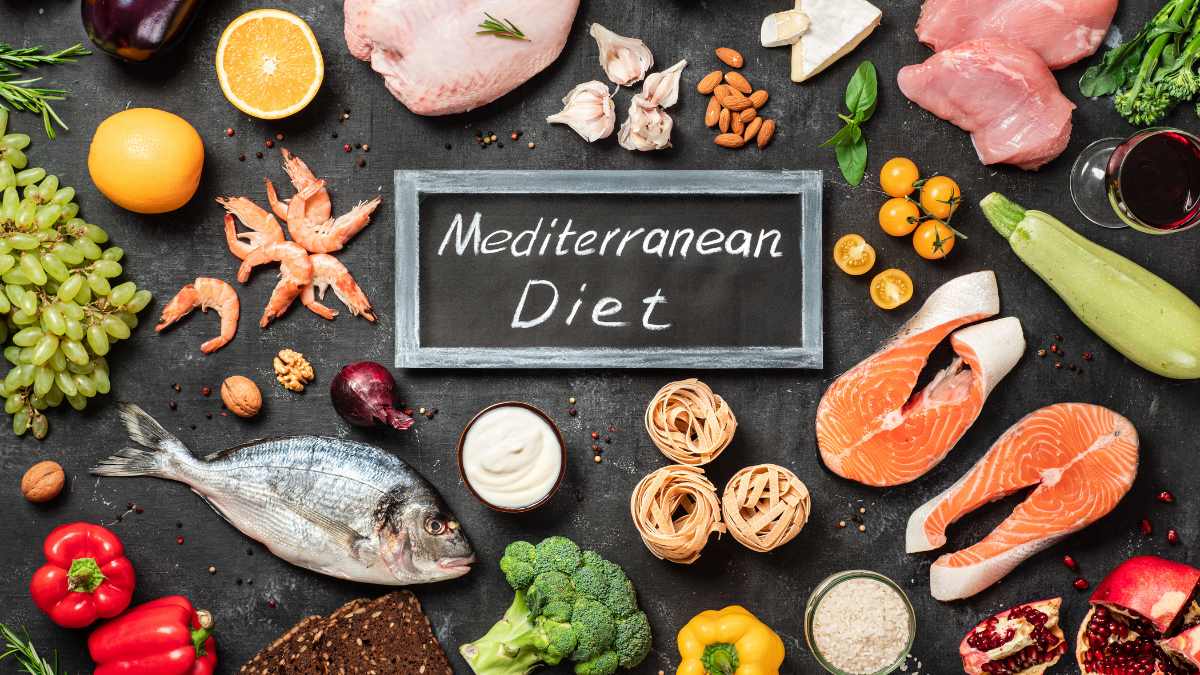
The foundation of Mediterranean cuisine lies in its key ingredients, which are celebrated for their health benefits and robust flavors. Olive oil is perhaps the most iconic ingredient, serving as a primary source of fat in many dishes. Rich in monounsaturated fats and antioxidants, olive oil is not only a flavorful addition but also a heart-healthy choice that has been linked to reduced risk of chronic diseases.
Another essential ingredient is fresh produce, which includes a wide variety of fruits and vegetables. Tomatoes, eggplants, zucchini, and bell peppers are commonly used in Mediterranean dishes, providing vibrant colors and essential nutrients. Seasonal fruits such as figs, oranges, and pomegranates add natural sweetness and are often featured in salads and desserts.
Legumes also play a significant role in Mediterranean cooking. Chickpeas, lentils, and beans are excellent sources of plant-based protein and fiber, making them a staple in many vegetarian dishes. Dishes like hummus and falafel showcase the versatility of legumes, offering delicious and nutritious options for all diets.
Finally, seafood is a prominent feature of Mediterranean cuisine, particularly in coastal regions. Fish and shellfish are often grilled, baked, or sautéed, highlighting their natural flavors. Rich in omega-3 fatty acids, seafood is a healthy choice that complements the other ingredients found in Mediterranean dishes.
Traditional Mediterranean Dishes: Regional Variations Explained
Mediterranean cuisine is rich with traditional dishes that vary significantly from region to region. In Italy, for example, pasta is a cornerstone of the diet, with dishes like spaghetti aglio e olio and lasagna showcasing the versatility of this staple. Italian cuisine is also known for its emphasis on fresh tomatoes, basil, and cheese, which come together in classic dishes like Caprese salad and Margherita pizza.
In Greece, the culinary landscape is defined by the use of feta cheese, olives, and grilled meats. Dishes like moussaka, a layered casserole of eggplant and meat, and souvlaki, skewered and grilled meat, are beloved staples. Greek salads, featuring tomatoes, cucumbers, and olives, are a refreshing accompaniment to many meals, highlighting the region’s emphasis on fresh ingredients.
Spanish cuisine offers its own unique contributions to Mediterranean food, with dishes like paella and tapas taking center stage. Paella, a saffron-infused rice dish often made with seafood or meat, is a celebration of the diverse flavors found along the Spanish coast. Tapas, small plates of various appetizers, encourage communal dining and allow diners to sample a variety of flavors in one meal.
In the Middle Eastern regions of the Mediterranean, dishes like tabbouleh and shawarma are popular. Tabbouleh, a refreshing salad made with parsley, bulgur, and tomatoes, exemplifies the use of fresh herbs and grains. Shawarma, marinated meat cooked on a vertical rotisserie, is often served in pita bread with vegetables and sauces, showcasing the region’s love for bold flavors and spices.
Health Benefits of Mediterranean Food: A Nutritional Perspective
The Mediterranean diet is often lauded for its numerous health benefits, making it one of the most researched and recommended dietary patterns worldwide. One of the key advantages is its emphasis on whole foods, which are rich in essential nutrients. Fruits, vegetables, whole grains, and legumes provide a wealth of vitamins, minerals, and antioxidants that support overall health.
Research has shown that following a Mediterranean diet can lead to a reduced risk of chronic diseases, including heart disease, diabetes, and certain cancers. The high intake of healthy fats, particularly from olive oil and nuts, contributes to improved cardiovascular health by lowering bad cholesterol levels and reducing inflammation.
Additionally, the Mediterranean diet promotes a balanced approach to eating, encouraging portion control and mindful consumption. This is particularly important in an age where overeating and processed foods are prevalent. By focusing on fresh, minimally processed ingredients, individuals can maintain a healthy weight and improve their overall well-being.
Finally, the social aspect of Mediterranean dining, which emphasizes communal meals and shared experiences, can have positive effects on mental health. Eating with family and friends fosters a sense of belonging and can reduce feelings of isolation, contributing to a holistic approach to health and wellness.
Popular Mediterranean Recipes: Step-by-Step Guide
To bring the flavors of the Mediterranean into your home, here are a few popular recipes that showcase the essence of this vibrant cuisine.
1. Greek Salad
Ingredients:
- 2 cups chopped cucumbers
- 2 cups chopped tomatoes
- 1 cup diced red onion
- 1 cup Kalamata olives
- 1 cup crumbled feta cheese
- 1/4 cup olive oil
- 2 tablespoons red wine vinegar
- Salt and pepper to taste
Instructions:
- In a large bowl, combine the cucumbers, tomatoes, red onion, olives, and feta cheese.
- In a separate bowl, whisk together the olive oil, red wine vinegar, salt, and pepper.
- Drizzle the dressing over the salad and toss gently to combine.
- Serve chilled or at room temperature.
2. Spaghetti Aglio e Olio
Ingredients:
- 400g spaghetti
- 4 cloves garlic, thinly sliced
- 1/2 cup olive oil
- 1/4 teaspoon red pepper flakes
- Salt and pepper to taste
- Fresh parsley, chopped for garnish
Instructions:
- Cook the spaghetti according to package instructions until al dente.
- In a large skillet, heat the olive oil over medium heat and add the garlic and red pepper flakes. Sauté until the garlic is golden brown.
- Drain the spaghetti and add it to the skillet, tossing to coat in the garlic oil.
- Season with salt and pepper, garnish with fresh parsley, and serve immediately.
3. Hummus
Ingredients:
- 1 can (400g) chickpeas, drained and rinsed
- 1/4 cup tahini
- 2 tablespoons olive oil
- 2 tablespoons lemon juice
- 1 garlic clove, minced
- Salt to taste
Instructions:
- In a food processor, combine the chickpeas, tahini, olive oil, lemon juice, garlic, and salt.
- Blend until smooth, adding water as needed to reach desired consistency.
- Serve with pita bread or fresh vegetables for dipping.
4. Paella
Ingredients:
- 2 cups short-grain rice
- 4 cups chicken broth
- 1/2 cup olive oil
- 1 onion, chopped
- 2 garlic cloves, minced
- 1 bell pepper, diced
- 1 cup peas
- 1 pound mixed seafood (shrimp, mussels, calamari)
- Saffron threads
Instructions:
- In a large paella pan, heat the olive oil over medium heat and sauté the onion, garlic, and bell pepper until softened.
- Add the rice and stir to coat, then pour in the chicken broth and add saffron.
- Bring to a simmer and cook for 10 minutes, then add the seafood and peas.
- Cook until the rice is tender and the seafood is cooked through, about 10 more minutes. Serve hot.
Conclusions: The Enduring Appeal of Mediterranean Cuisine
Mediterranean cuisine continues to captivate palates around the world, thanks to its emphasis on fresh ingredients, diverse flavors, and health benefits. The regional variations and traditional dishes reflect the rich cultural tapestry of the Mediterranean basin, inviting culinary exploration and appreciation. As more people seek healthier dietary patterns, the Mediterranean diet stands out as a delicious and nutritious option that promotes well-being and fosters community. Whether through a simple Greek salad or an elaborate paella, the enduring appeal of Mediterranean food lies in its ability to bring people together and celebrate the joy of eating.
Read more
Here are some reliable sources for further reading on Mediterranean cuisine and its health benefits:
- Oldways Mediterranean Diet – A comprehensive guide to the Mediterranean diet, including its history, principles, and health benefits.
- Harvard T.H. Chan School of Public Health – The Nutrition Source: Mediterranean Diet – An informative resource detailing the Mediterranean diet’s components and research-backed health benefits.
- Mayo Clinic – Mediterranean Diet: A Heart-Healthy Eating Plan – A professional overview of the Mediterranean diet, including practical tips for incorporating it into daily life.
- BBC Good Food – Mediterranean Recipes – A collection of authentic Mediterranean recipes to inspire home cooking.
- Mediterranean Diet: A Guide to the Best Foods – An article discussing the best foods to include in a Mediterranean diet and their health benefits.