

Introduction:
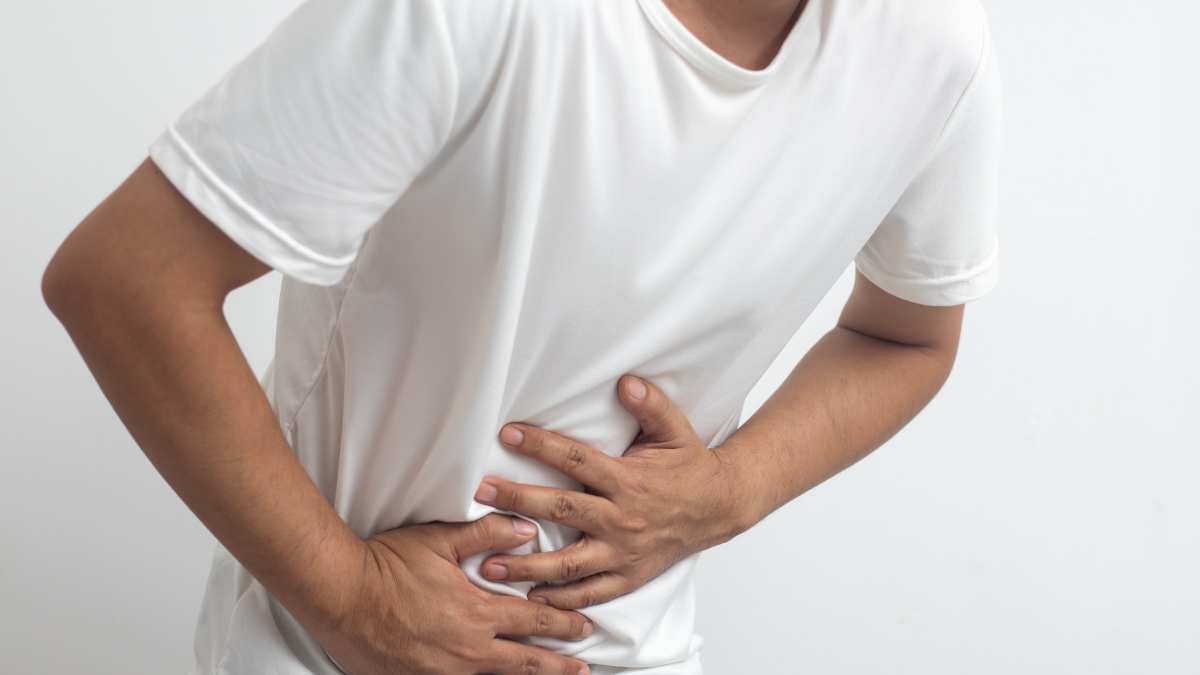
Lower abdominal pain can be a distressing experience, affecting daily activities and overall quality of life. Understanding the causes and symptoms of this discomfort is essential for effective management. While various treatment options exist, massage therapy has emerged as a popular method for alleviating pain and promoting relaxation. This article explores the intricacies of lower abdominal pain, the role of massage in treatment, effective techniques, necessary precautions, post-massage care, and when to seek professional help.
Understanding Lower Abdominal Pain: Causes and Symptoms
Lower abdominal pain can stem from a myriad of causes, ranging from benign to more serious conditions. Common causes include gastrointestinal issues such as irritable bowel syndrome (IBS), constipation, and gastritis. Additionally, reproductive system disorders, such as ovarian cysts or endometriosis, can manifest as lower abdominal discomfort. Identifying the underlying cause is crucial in determining the appropriate treatment approach.
Symptoms accompanying lower abdominal pain can vary significantly. Patients may experience cramping, bloating, or sharp pains, often exacerbated by certain activities or dietary choices. Other symptoms may include nausea, changes in bowel habits, or urinary issues, which can provide further clues to the underlying condition. Keeping a symptom diary can be beneficial for both patients and healthcare providers in diagnosing the issue effectively.
In some cases, lower abdominal pain may be acute, signaling a medical emergency, such as appendicitis or ectopic pregnancy. Recognizing the signs of severe pain, fever, or vomiting is vital for timely intervention. Understanding these symptoms can help individuals make informed decisions about when to seek medical assistance.
Lastly, emotional factors such as stress and anxiety can also contribute to abdominal discomfort. Psychosomatic symptoms may manifest as physical pain, highlighting the importance of a holistic approach to treatment that addresses both physical and emotional well-being.
The Role of Massage in Alleviating Abdominal Discomfort
Massage therapy has been recognized for its potential to alleviate various types of pain, including lower abdominal discomfort. The primary mechanism by which massage works is through the stimulation of blood circulation, which can help reduce inflammation and promote healing. Additionally, massage can help relax tense muscles, providing relief from cramping and discomfort.
Moreover, massage therapy can have a positive impact on the nervous system. By activating the parasympathetic nervous system, massage can induce a state of relaxation, which may help alleviate stress-related abdominal pain. This is particularly relevant for individuals whose pain is exacerbated by anxiety or tension.
Research has indicated that certain types of abdominal massage can enhance gastrointestinal function. Techniques such as the "abdominal lift" can stimulate peristalsis, helping to alleviate constipation and bloating. This functional benefit can be particularly valuable for individuals suffering from digestive issues.
Furthermore, the psychological benefits of massage should not be overlooked. The nurturing aspect of massage can provide emotional support, reducing feelings of isolation that often accompany chronic pain. This holistic approach can lead to improved overall well-being and a greater sense of control over one’s health.
Techniques for Effective Lower Abdominal Massage Therapy
When performing lower abdominal massage, specific techniques can enhance effectiveness. One popular method is the circular massage, where gentle, circular motions are applied to the abdomen. This technique can help stimulate blood flow and promote relaxation. It is essential to use a light touch initially, gradually increasing pressure based on comfort levels.
Another effective technique is the kneading motion, which involves gently pinching and rolling the abdominal muscles. This method can help alleviate tension and improve muscle tone. Using the fingertips to apply pressure on specific points may also relieve discomfort associated with gas or bloating.
Incorporating breathing exercises during massage can enhance the experience. Encouraging deep, diaphragmatic breathing can help relax the abdominal muscles further, allowing for a more profound therapeutic effect. This combination of massage and breathing can create a meditative state, promoting overall relaxation.
Finally, it is essential to tailor the massage to individual needs. Listening to the body and adjusting techniques based on feedback can optimize the effectiveness of the therapy. Each individual’s experience with abdominal pain is unique, and a personalized approach can yield the best results.
Precautions to Consider Before Massaging the Abdomen
Before engaging in abdominal massage, certain precautions should be considered to ensure safety and effectiveness. Consultation with a healthcare provider is crucial, especially if the pain is severe or persistent. Underlying medical conditions may contraindicate massage, making professional guidance essential.
Individuals should also be aware of their body’s signals during massage. If pain intensifies or new symptoms arise, it is important to stop the massage immediately and seek medical advice. Listening to one’s body is paramount in preventing further complications.
Additionally, hygiene is a critical aspect of abdominal massage. Ensuring clean hands and a sanitized environment can prevent infections, particularly if there are any open wounds or skin irritations in the abdominal area. Using a gentle, hypoallergenic massage oil can also enhance the experience while minimizing the risk of skin reactions.
Lastly, timing is important. Avoiding massage immediately after eating can prevent discomfort and allow for a more effective session. Waiting at least one hour after a meal can help ensure that the massage is beneficial rather than counterproductive.
Post-Massage Care: Enhancing Recovery and Relief
After a massage session, certain care practices can enhance recovery and prolong relief from abdominal pain. Hydration is essential; drinking water can help flush out toxins released during the massage and support overall digestive health. Staying adequately hydrated can also help alleviate any lingering discomfort.
Gentle stretching exercises can be beneficial post-massage. Incorporating light yoga or stretching can help maintain flexibility and prevent muscle stiffness. Focusing on the abdominal and lower back areas can promote relaxation and ease any residual tension.
Additionally, applying a warm compress to the abdomen can provide continued relief. Heat therapy can help soothe muscles and improve blood circulation, further enhancing the benefits of the massage. This practice can be particularly effective for individuals experiencing cramping or discomfort.
Lastly, maintaining a journal to track symptoms and any changes post-massage can provide valuable insights. Documenting experiences can help identify patterns and inform future treatment decisions, ensuring a more tailored approach to managing abdominal pain.
When to Seek Professional Help for Abdominal Pain
While massage can be an effective tool for managing lower abdominal pain, it is essential to recognize when professional help is necessary. Severe, persistent pain that does not improve with self-care measures warrants immediate medical attention. Conditions such as appendicitis, pancreatitis, or gallbladder issues require urgent evaluation.
Additionally, if abdominal pain is accompanied by other concerning symptoms—such as fever, vomiting, unexplained weight loss, or changes in bowel habits—seeking professional help is crucial. These symptoms may indicate a more serious underlying condition that needs to be addressed promptly.
Individuals with a history of gastrointestinal or reproductive disorders should also be vigilant. Regular check-ups and consultations with healthcare providers can help manage chronic conditions and prevent complications. Being proactive about health can lead to better outcomes.
Lastly, if emotional factors such as anxiety or depression are contributing to abdominal pain, seeking help from a mental health professional can be beneficial. Addressing the psychological aspects of pain can lead to a more comprehensive approach to treatment and improved quality of life.
Conclusions:
Lower abdominal pain can significantly impact one’s life, but understanding its causes and exploring various treatment options, including massage, can provide relief. By employing effective techniques, considering necessary precautions, and practicing post-massage care, individuals can enhance their recovery. However, recognizing when to seek professional help is crucial for ensuring optimal health and well-being.
Read more
- Mayo Clinic – Abdominal Pain: A comprehensive overview of abdominal pain, its causes, and treatment options.
- Cleveland Clinic – Abdominal Massage Benefits: Insights into how abdominal massage can benefit digestive health and alleviate discomfort.
- Healthline – When to See a Doctor for Abdominal Pain: Guidelines on when to seek medical attention for abdominal pain.
- American Massage Therapy Association – Benefits of Massage: An exploration of the various benefits of massage therapy, including its role in pain management.
- WebMD – Abdominal Pain: Causes and Treatment: A detailed resource on the causes, symptoms, and treatment options for abdominal pain.