

Introduction:
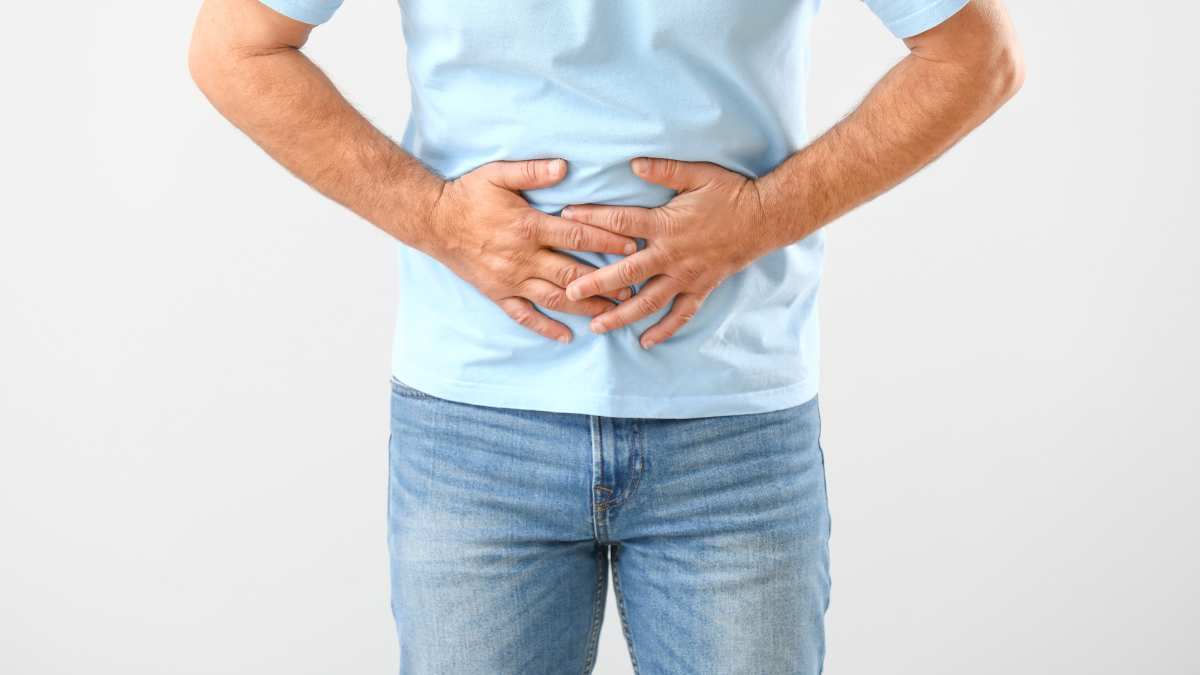
Stomach gripping, often described as a sensation of tightness or constriction in the abdominal region, can be a perplexing symptom for many individuals. This phenomenon may arise from various underlying conditions and can significantly impact a person’s quality of life. Understanding the mechanisms, causes, symptoms, and treatment options associated with stomach gripping is crucial for effective management and relief. This article aims to provide a comprehensive overview of stomach gripping, exploring its clinical aspects and offering insights into its physiological underpinnings.
Understanding Stomach Gripping: A Clinical Overview
Stomach gripping is a term commonly used to describe a range of sensations that may include cramping, tightness, or a feeling of pressure in the abdomen. Clinically, this symptom can be indicative of various gastrointestinal disorders, ranging from benign conditions to more serious pathologies. It is essential to differentiate between transient episodes of discomfort and chronic manifestations that may require medical intervention.
In gastroenterology, stomach gripping can be associated with conditions such as irritable bowel syndrome (IBS), gastritis, or even gastrointestinal obstruction. Each of these conditions presents unique challenges in diagnosis and management. Understanding the clinical context in which stomach gripping occurs is vital for healthcare professionals to formulate appropriate treatment plans.
Moreover, the subjective nature of the experience makes it challenging to quantify and assess. Patients may describe their symptoms differently, leading to variability in diagnosis. This inconsistency underscores the importance of a thorough patient history and clinical examination to establish a clear understanding of the underlying causes.
Finally, the psychosomatic aspect of stomach gripping cannot be overlooked. Stress and anxiety often exacerbate gastrointestinal symptoms, leading to a cycle of discomfort that can be difficult to break. Recognizing the interplay between psychological factors and physical symptoms is essential for holistic patient care.
The Physiology Behind Stomach Gripping Mechanisms
The sensation of stomach gripping is primarily linked to the complex interplay of the autonomic nervous system and gastrointestinal motility. The autonomic nervous system regulates involuntary bodily functions, including digestion. When the body perceives stress or discomfort, it can trigger a sympathetic response, leading to increased muscle tension in the abdominal region.
Gastrointestinal motility refers to the contractions of the smooth muscles in the digestive tract, which facilitate the movement of food and waste. Dysregulation of these contractions can result in spasms, leading to sensations of gripping or cramping. This physiological response may be exacerbated by various factors, including diet, hydration levels, and overall health.
Additionally, the role of neurotransmitters such as serotonin and dopamine in gastrointestinal function is critical. These chemicals influence gut motility and can affect how sensations of discomfort are perceived. An imbalance in these neurotransmitters may lead to heightened sensitivity to pain and discomfort, contributing to the experience of stomach gripping.
Understanding these physiological mechanisms is crucial for developing targeted treatment strategies. By addressing the underlying factors that contribute to abnormal gastrointestinal motility and autonomic regulation, healthcare providers can help alleviate the symptoms associated with stomach gripping.
Common Causes and Triggers of Stomach Gripping
Stomach gripping can arise from a multitude of causes, with some of the most common being dietary factors. Certain foods, particularly those high in fat, sugar, or fiber, can trigger gastrointestinal distress and lead to gripping sensations. Additionally, food intolerances or allergies, such as lactose intolerance or celiac disease, can provoke significant discomfort in susceptible individuals.
Another prevalent cause of stomach gripping is stress and anxiety. Psychological factors can significantly influence gastrointestinal function, leading to conditions such as functional dyspepsia or IBS. The gut-brain connection highlights how emotional states can manifest as physical symptoms, including gripping sensations in the abdomen.
Infections and inflammatory conditions also play a role in stomach gripping episodes. Gastroenteritis, for example, can lead to acute abdominal pain and cramping due to inflammation of the gastrointestinal tract. Chronic conditions such as Crohn’s disease or ulcerative colitis may also present with similar symptoms, necessitating careful evaluation and management.
Lastly, lifestyle factors, including sedentary behavior and inadequate hydration, can contribute to stomach gripping. A lack of physical activity can impair gastrointestinal motility, while dehydration may lead to constipation and abdominal discomfort. Addressing these lifestyle factors is essential for preventing and managing symptoms effectively.
Symptoms Associated with Stomach Gripping Episodes
The symptoms associated with stomach gripping can vary widely among individuals, often depending on the underlying cause. Commonly reported symptoms include abdominal cramping, bloating, and a sensation of tightness in the stomach. These symptoms may occur intermittently or persistently, affecting daily activities and overall well-being.
In some cases, stomach gripping may be accompanied by other gastrointestinal symptoms such as nausea, vomiting, or diarrhea. These additional symptoms can provide valuable clues for healthcare providers in diagnosing the underlying condition. For instance, the presence of diarrhea alongside stomach gripping may suggest an infectious cause, while nausea may indicate a functional gastrointestinal disorder.
Patients may also experience referred pain, where discomfort is felt in areas outside the abdomen, such as the back or shoulders. This phenomenon can complicate the clinical picture, making it essential for healthcare providers to conduct thorough assessments to identify the source of the pain accurately.
Furthermore, the emotional impact of stomach gripping should not be underestimated. Chronic episodes can lead to anxiety and fear surrounding eating or engaging in social activities, creating a cycle of avoidance and further exacerbating symptoms. Addressing both the physical and psychological aspects of stomach gripping is crucial for effective management.
Diagnostic Approaches for Stomach Gripping Conditions
Diagnosing the underlying cause of stomach gripping requires a comprehensive approach that includes a detailed patient history and physical examination. Healthcare providers typically begin by inquiring about the patient’s symptoms, dietary habits, and any associated factors, such as stress or recent illnesses. This information is essential for narrowing down potential causes.
Laboratory tests may also be employed to assess for underlying conditions. Blood tests can help identify signs of infection, inflammation, or nutritional deficiencies, while stool tests may be used to detect pathogens or signs of malabsorption. Imaging studies, such as ultrasound or CT scans, may be necessary to visualize the gastrointestinal tract and rule out structural abnormalities.
In some cases, specialized tests such as endoscopy or colonoscopy may be warranted. These procedures allow healthcare providers to directly visualize the gastrointestinal lining and obtain tissue samples for further analysis. Such invasive diagnostic methods are typically reserved for cases where other evaluations have not yielded definitive results.
Finally, a multidisciplinary approach may be beneficial, particularly for patients with chronic symptoms. Collaboration between gastroenterologists, dietitians, and mental health professionals can provide a comprehensive understanding of the condition and facilitate a more effective treatment plan.
Treatment Options and Management Strategies for Relief
The treatment of stomach gripping depends on the underlying cause and may involve a combination of dietary modifications, pharmacological interventions, and lifestyle changes. For individuals with food intolerances or sensitivities, identifying and avoiding trigger foods is crucial. Keeping a food diary can help patients pinpoint specific dietary factors contributing to their symptoms.
Pharmacological treatments may include antispasmodics to relieve abdominal cramping, as well as medications to address underlying conditions such as IBS or gastritis. In some cases, antidepressants may be prescribed to help manage the psychological aspects of gastrointestinal disorders, particularly when stress and anxiety play a significant role.
Lifestyle modifications are equally important in managing stomach gripping. Regular physical activity can promote healthy gastrointestinal motility, while adequate hydration is essential for preventing constipation and associated discomfort. Stress management techniques, such as mindfulness, yoga, or cognitive-behavioral therapy, can also help alleviate symptoms by addressing the emotional factors contributing to stomach gripping.
Lastly, ongoing monitoring and follow-up with healthcare providers are essential for patients experiencing chronic symptoms. Regular assessments can help track progress, adjust treatment plans as needed, and ensure that any new or worsening symptoms are promptly addressed.
Conclusions:
Stomach gripping is a multifaceted symptom that can arise from various underlying conditions, each requiring a tailored approach to diagnosis and management. Understanding the physiological mechanisms, common causes, and associated symptoms is crucial for effective treatment. By adopting a comprehensive strategy that includes dietary modifications, pharmacological interventions, and lifestyle changes, individuals can find relief from the discomfort associated with stomach gripping.
Read more
-
Mayo Clinic: Irritable Bowel Syndrome (IBS) – This resource provides an overview of IBS, including symptoms, causes, and treatment options.
-
Cleveland Clinic: Gastrointestinal Disorders – A comprehensive guide to various gastrointestinal disorders, including diagnostic and treatment approaches.
-
National Institute of Diabetes and Digestive and Kidney Diseases (NIDDK) – This site offers valuable information on digestive diseases, including research and educational resources.
-
American Gastroenterological Association: Gastrointestinal Disorders – A collection of patient resources and educational materials related to gastrointestinal health.
-
WebMD: Understanding the Gut-Brain Connection – An informative article discussing the relationship between gut health and mental well-being, highlighting the importance of addressing both aspects in treatment.