

Introduction:
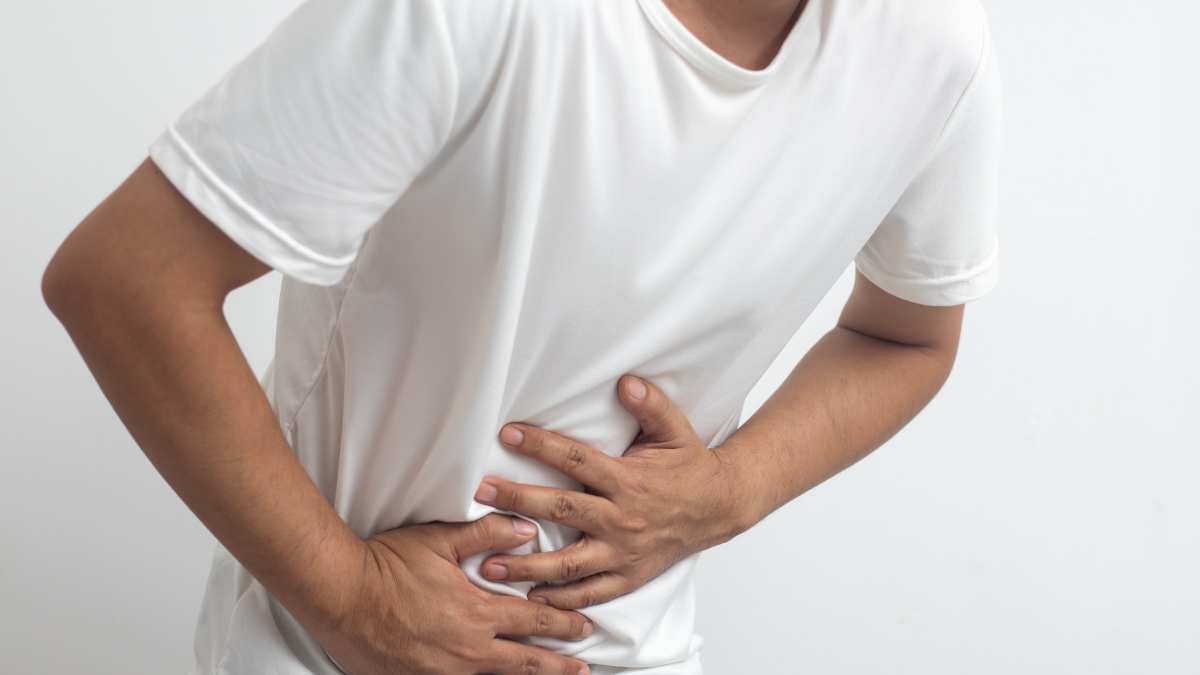
Experiencing pressure in the lower abdomen while lying down can be a perplexing and uncomfortable sensation. This feeling can arise from a variety of underlying factors, ranging from benign to more serious conditions. Understanding the nature of abdominal pressure is essential for effective management and treatment. This article will explore the clinical overview of abdominal pressure, common causes, the influence of posture, when to seek medical attention, diagnostic tests, and management strategies.
Understanding Abdominal Pressure: A Clinical Overview
Abdominal pressure refers to the sensation of discomfort or fullness in the abdominal region. It can be described as a feeling of tightness or heaviness, often localized in the lower abdomen. This sensation can be influenced by various physiological and pathological factors. Understanding the underlying mechanisms is crucial for identifying the cause of the pressure.
The abdominal cavity houses numerous organs, including the intestines, bladder, and reproductive organs. Each of these organs can contribute to sensations of pressure depending on their state. For instance, distension of the intestines due to gas or constipation can lead to an increased feeling of pressure. Similarly, conditions affecting the bladder, such as urinary retention, can also manifest as discomfort in the lower abdomen.
In clinical practice, abdominal pressure is often assessed in conjunction with other symptoms such as pain, bloating, or changes in bowel habits. This comprehensive approach helps healthcare providers establish a clearer picture of the patient’s condition. Understanding the clinical context is vital for determining the most appropriate interventions.
Moreover, the sensation of pressure can vary significantly among individuals. Factors such as age, gender, and pre-existing health conditions can influence how pressure is perceived. Therefore, a personalized approach to assessment and treatment is essential.
Common Causes of Lower Abdominal Pressure at Rest
Several factors can contribute to the sensation of lower abdominal pressure while lying down. One of the most common causes is gastrointestinal issues, such as irritable bowel syndrome (IBS) or constipation. These conditions can lead to increased gas production and bowel distension, resulting in a feeling of pressure.
Another significant cause is urinary issues, particularly urinary retention or bladder distension. When the bladder fills with urine, it can exert pressure on surrounding structures, leading to discomfort, especially in a supine position. This is particularly common in individuals with prostate enlargement or urinary tract infections.
Gynecological factors can also play a role, especially in women. Conditions such as ovarian cysts, endometriosis, or fibroids can cause localized pressure in the lower abdomen. These conditions may be exacerbated by certain positions, making the sensation more pronounced when lying down.
Lastly, musculoskeletal factors should not be overlooked. Tension in the abdominal muscles or underlying conditions such as hernias can lead to discomfort that feels like pressure. Understanding these various causes is crucial for effective diagnosis and treatment.
The Role of Posture in Abdominal Discomfort During Sleep
Posture significantly influences how pressure is perceived in the abdomen. Lying flat on the back can sometimes exacerbate feelings of pressure, particularly in individuals with gastrointestinal or urinary issues. Gravity plays a role in how organs settle within the abdominal cavity, and certain positions may lead to increased discomfort.
For instance, lying on the left side can help alleviate pressure on the stomach and intestines, promoting better digestion and reducing feelings of fullness. Conversely, lying on the right side may exacerbate symptoms in some individuals due to the anatomical positioning of the stomach and intestines. Experimenting with different sleeping positions can be a simple yet effective strategy for managing discomfort.
Additionally, the use of supportive pillows can help maintain proper alignment of the spine and pelvis, reducing strain on the abdominal region. Elevating the legs or using a wedge pillow can also help alleviate pressure by promoting better circulation and reducing the load on the abdominal organs.
Understanding the impact of posture on abdominal pressure can empower individuals to make informed choices about their sleeping arrangements, potentially leading to improved comfort and reduced symptoms.
Differential Diagnosis: When to Seek Medical Attention
While occasional feelings of pressure in the lower abdomen may not be cause for concern, certain symptoms warrant medical evaluation. Acute or severe abdominal pain accompanying the pressure should prompt immediate medical attention, as it may indicate a serious condition such as appendicitis or intestinal obstruction.
Other concerning symptoms include persistent pressure that does not resolve with changes in position, significant changes in bowel or urinary habits, or the presence of fever. These signs can indicate underlying conditions that require prompt intervention. In women, unusual vaginal bleeding or severe menstrual pain in conjunction with abdominal pressure may also necessitate further evaluation.
It’s essential to consider the duration and frequency of symptoms. If the sensation of pressure occurs frequently or lasts for an extended period, it is advisable to consult a healthcare professional for a thorough assessment. Early intervention can lead to better outcomes and prevent complications.
Lastly, individuals with a history of gastrointestinal or gynecological disorders should be particularly vigilant. Regular check-ups and open communication with healthcare providers can help manage any underlying conditions effectively.
Diagnostic Tests for Evaluating Abdominal Pressure Symptoms
When evaluating symptoms of abdominal pressure, healthcare providers may employ various diagnostic tests to identify the underlying cause. A thorough medical history and physical examination are typically the first steps in this process. Healthcare professionals will assess for signs of tenderness, distension, or any abnormalities during the examination.
Imaging studies, such as ultrasound or CT scans, may be utilized to visualize the abdominal organs. These tests can help identify issues such as cysts, tumors, or bowel obstructions that may contribute to the sensation of pressure. Radiological imaging is particularly useful for diagnosing conditions that may not be evident through physical examination alone.
Laboratory tests, including blood tests and urinalysis, can also provide valuable information. Elevated white blood cell counts may indicate infection or inflammation, while abnormalities in kidney function tests can suggest urinary issues. These tests help to create a comprehensive picture of the individual’s health status.
In some cases, specialized tests such as endoscopy or colonoscopy may be warranted to evaluate the gastrointestinal tract directly. These procedures allow for visualization and potential biopsy of any abnormal tissues, aiding in the diagnosis of conditions such as inflammatory bowel disease or malignancies.
Management Strategies for Alleviating Abdominal Pressure
Managing feelings of pressure in the lower abdomen often involves a multifaceted approach tailored to the underlying cause. Dietary modifications can play a crucial role in alleviating gastrointestinal-related pressure. Increasing fiber intake can help regulate bowel movements and reduce constipation, while avoiding gas-producing foods may decrease bloating.
Hydration is another essential aspect of management. Drinking adequate amounts of water can help facilitate digestion and prevent urinary retention. Additionally, practicing mindful eating—such as eating slowly and avoiding overeating—can also reduce feelings of fullness and pressure.
For urinary-related pressure, bladder training techniques may be beneficial. These strategies involve scheduling bathroom visits and gradually increasing the time between them to improve bladder control. In some cases, medications may be prescribed to manage underlying conditions such as urinary tract infections or bladder dysfunction.
Lastly, incorporating relaxation techniques such as deep breathing, yoga, or meditation can help alleviate stress-related abdominal discomfort. Stress management is crucial as it can significantly impact gastrointestinal health and overall well-being.
Conclusions:
Experiencing pressure in the lower abdomen while lying down can stem from various causes, including gastrointestinal, urinary, gynecological, and musculoskeletal factors. Understanding these causes, the role of posture, and when to seek medical attention is essential for effective management. Diagnostic tests can aid in identifying underlying conditions, while lifestyle modifications and stress management techniques can help alleviate symptoms. If you experience persistent or severe abdominal pressure, it is crucial to consult a healthcare professional for a thorough evaluation.
Read more
-
Mayo Clinic – Abdominal Pain
An overview of abdominal pain causes, symptoms, and treatment options.
Mayo Clinic -
Cleveland Clinic – Abdominal Pressure
Detailed information on abdominal pressure, its causes, and management strategies.
Cleveland Clinic -
WebMD – Understanding Abdominal Pain
A resource discussing various causes of abdominal pain and when to seek help.
WebMD -
Healthline – What Causes Abdominal Pain?
An article that outlines potential causes of abdominal pain and pressure, along with treatment options.
Healthline -
National Institute of Diabetes and Digestive and Kidney Diseases – Abdominal Pain
A comprehensive guide on abdominal pain, its symptoms, and treatment approaches.
NIDDK