
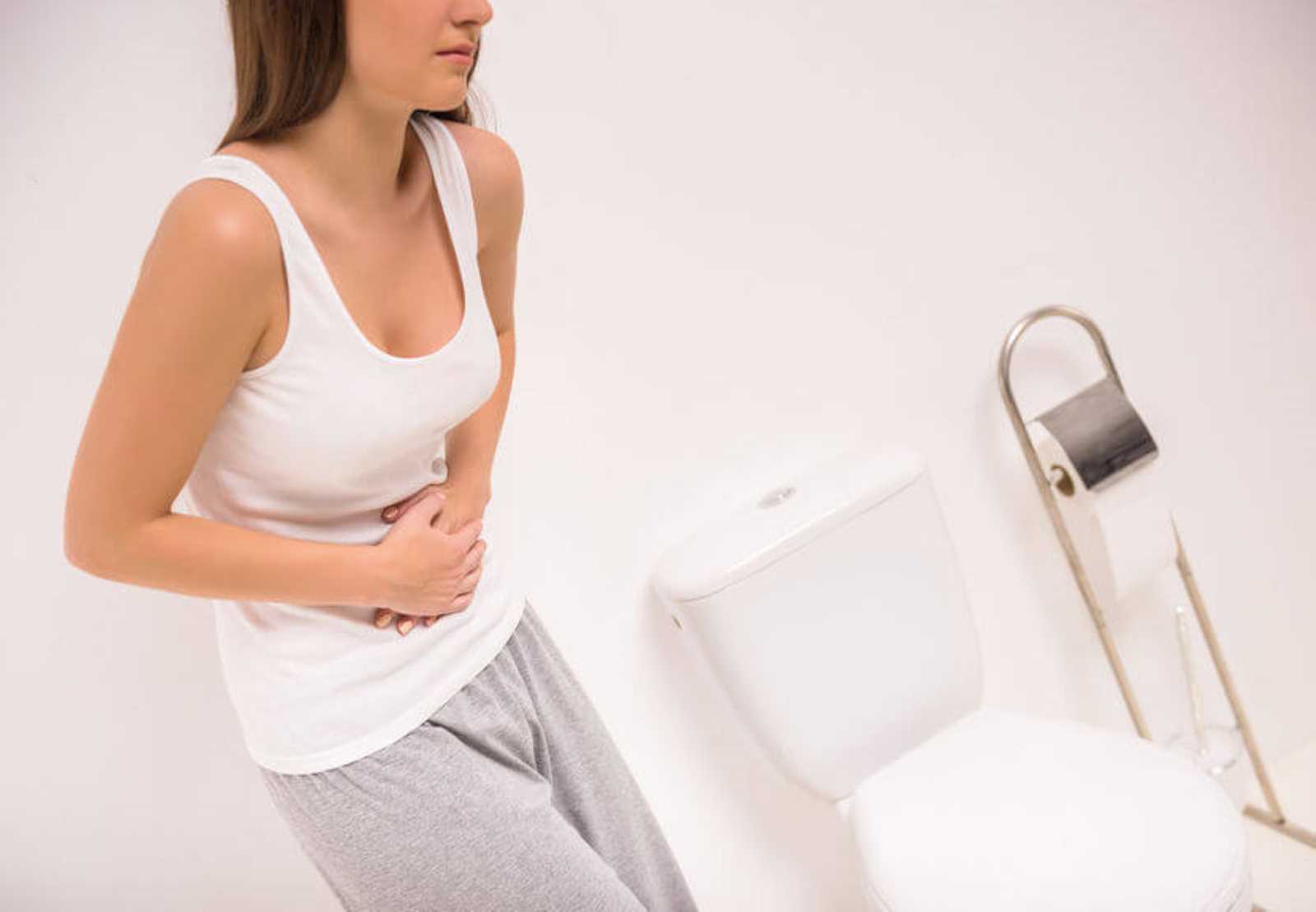

Introduction:
Mushy stool, often characterized by a soft or watery consistency, can be a source of discomfort and concern for many individuals. Understanding the underlying causes and factors contributing to this condition is crucial for effective management. This article delves into the various aspects of mushy stool, from its causes and dietary influences to medical implications and practical solutions.
Understanding the Causes of Mushy Stool: A Technical Overview
Mushy stool can arise from a variety of physiological and environmental factors. One primary cause is the rapid transit time through the gastrointestinal tract, which may prevent adequate water absorption in the colon. This can lead to softer stools as the body fails to reclaim enough moisture. Additionally, the presence of certain pathogens, such as bacteria or viruses, can disrupt normal digestive processes, resulting in diarrhea or mushy stool.
Another significant factor is the imbalance of gut microbiota. The gut is home to trillions of microorganisms that play a vital role in digestion and overall health. An overgrowth of harmful bacteria or a deficiency in beneficial bacteria can lead to digestive disturbances, including mushy stool. Stress and anxiety also contribute to gastrointestinal motility, potentially leading to softer stool consistency.
Dietary choices are another crucial aspect of stool consistency. High intake of processed foods, sugars, and unhealthy fats can disrupt normal digestive function, leading to softer stools. Conversely, a lack of fiber can also contribute to this issue, as fiber is essential for forming solid stool. Understanding these dietary influences is vital for addressing mushy stool effectively.
Lastly, medications can play a significant role in stool consistency. Certain antibiotics, laxatives, and other medications can alter gut flora or affect gastrointestinal motility, leading to mushy stools. Recognizing the impact of medications is essential for individuals experiencing changes in stool consistency after starting a new treatment regimen.
Dietary Factors Contributing to Soft Stool Consistency
Diet plays a pivotal role in determining stool consistency. Foods high in fat and sugar can lead to softer stools, as they may not be adequately digested and absorbed. For instance, excessive consumption of fried foods, pastries, and sugary beverages can disrupt normal digestive processes, resulting in mushy stool. Therefore, it is crucial to evaluate dietary habits to identify potential culprits.
Fiber intake is another critical factor. While fiber is essential for healthy digestion, an inadequate intake can lead to softer stools. Soluble fiber, found in foods like oats, beans, and fruits, absorbs water and forms a gel-like substance, which can help firm up stool consistency. Conversely, a lack of fiber can lead to rapid transit times and softer stools, as the body lacks the necessary bulk to form solid stool.
Moreover, certain food intolerances and allergies can also contribute to mushy stool. Individuals with lactose intolerance, for example, may experience softer stools after consuming dairy products. Similarly, gluten sensitivity can lead to digestive disturbances, including mushy stool. Identifying and eliminating trigger foods from the diet can significantly improve stool consistency.
Lastly, the consumption of artificial sweeteners can also impact stool consistency. Some people may experience gastrointestinal distress after consuming products containing sorbitol or mannitol, leading to softer stools. Being mindful of ingredient labels and moderating the intake of such substances can help manage stool consistency effectively.
The Role of Hydration in Maintaining Optimal Stool Firmness
Hydration is a critical component in maintaining healthy digestion and optimal stool consistency. Adequate water intake helps soften stool, facilitating its passage through the intestines. However, excessive hydration without sufficient fiber can lead to mushy stools, as the body may not have enough bulk to form solid stool. Striking a balance between hydration and fiber intake is essential for maintaining optimal stool firmness.
Furthermore, dehydration can lead to constipation, which may paradoxically result in softer stools due to the body’s attempt to compensate for the lack of moisture. When the body is dehydrated, it may draw water from the stool in the colon, leading to softer, more liquid stools. Therefore, ensuring adequate hydration is vital, particularly for individuals experiencing mushy stool.
The type of fluids consumed also matters. Beverages high in caffeine or alcohol can lead to increased fluid loss and dehydration, potentially exacerbating issues with stool consistency. Opting for water, herbal teas, and electrolyte-rich drinks can help maintain hydration levels without negatively impacting stool firmness.
In addition, hydration needs can vary based on individual factors such as activity level, climate, and overall health. Listening to the body’s signals and adjusting fluid intake accordingly is crucial for maintaining healthy digestion. Monitoring hydration levels can be an effective strategy for individuals seeking to improve stool consistency.
Medical Conditions Linked to Mushy Stool: An In-Depth Analysis
Several medical conditions can contribute to mushy stool, necessitating a thorough understanding of their implications. Irritable Bowel Syndrome (IBS) is one such condition, characterized by a range of gastrointestinal symptoms, including diarrhea and mushy stools. IBS can be triggered by stress, dietary choices, and hormonal changes, making it essential for individuals to identify and manage their specific triggers.
Inflammatory bowel diseases, such as Crohn’s disease and ulcerative colitis, can also lead to mushy stool. These conditions involve chronic inflammation of the gastrointestinal tract, which can disrupt normal digestion and absorption. Individuals with these conditions often experience a range of symptoms, including abdominal pain, diarrhea, and changes in stool consistency.
Infections caused by bacteria, viruses, or parasites can also result in mushy stools. Gastroenteritis, for example, is an inflammation of the stomach and intestines that can lead to diarrhea and soft stool. Identifying the underlying cause of the infection is crucial for effective treatment and management.
Lastly, malabsorption syndromes, such as celiac disease or pancreatic insufficiency, can contribute to mushy stool. In these conditions, the body struggles to absorb nutrients properly, leading to digestive disturbances and changes in stool consistency. Seeking medical advice and appropriate testing is essential for individuals experiencing persistent mushy stool linked to underlying health conditions.
Effective Dietary Adjustments for Firming Up Stool Consistency
To address mushy stool effectively, dietary adjustments can play a significant role. Increasing fiber intake is one of the most effective strategies. Incorporating soluble fiber-rich foods such as oats, bananas, apples, and legumes can help absorb excess water and firm up stool consistency. Gradually increasing fiber intake is essential to avoid potential gastrointestinal discomfort.
In addition to fiber, incorporating binding foods can also be beneficial. Foods such as rice, potatoes, and toast can help absorb excess moisture in the intestines. These foods are often recommended during episodes of diarrhea or mushy stool as they can help restore normal stool consistency.
Moreover, reducing the intake of certain foods can significantly improve stool firmness. Limiting processed foods, sugary snacks, and high-fat meals can help stabilize digestive function. Instead, focusing on whole, nutrient-dense foods can promote overall digestive health and improve stool consistency.
Lastly, keeping a food diary can be an effective tool for identifying potential dietary triggers. Tracking food intake and corresponding stool consistency can help individuals pinpoint specific foods that may contribute to mushy stool. This information can guide dietary adjustments and promote healthier digestion.
When to Seek Professional Help for Persistent Stool Issues
While occasional mushy stool may not be a cause for alarm, persistent issues warrant professional evaluation. If mushy stool is accompanied by other concerning symptoms such as severe abdominal pain, blood in stool, or significant weight loss, it is crucial to seek medical attention. These symptoms may indicate underlying health conditions that require further investigation.
Additionally, if dietary adjustments and lifestyle changes do not lead to improvements in stool consistency, consulting a healthcare professional is advisable. A healthcare provider can conduct necessary tests, such as stool analysis or imaging studies, to identify potential underlying causes. Early intervention can help prevent complications and promote better digestive health.
Furthermore, individuals with pre-existing medical conditions, such as IBS or inflammatory bowel disease, should maintain regular communication with their healthcare provider. Monitoring symptoms and adjusting treatment plans as needed can help manage stool consistency effectively. Regular check-ups can ensure that any changes in stool consistency are addressed promptly.
Lastly, mental health factors should not be overlooked. Stress and anxiety can significantly impact gastrointestinal function, leading to changes in stool consistency. Seeking support from mental health professionals can be beneficial for individuals experiencing persistent mushy stool linked to emotional factors.
Conclusions:
Mushy stool can be a multifaceted issue influenced by various dietary, hydration, and medical factors. Understanding these aspects is essential for effective management. By making informed dietary adjustments, maintaining proper hydration, and seeking professional help when necessary, individuals can work towards achieving optimal stool consistency and overall digestive health.
Read more
- Mayo Clinic – Diarrhea – Comprehensive overview of diarrhea, including causes and treatment options.
- Cleveland Clinic – Irritable Bowel Syndrome – Detailed information on IBS, its symptoms, and management strategies.
- National Institute of Diabetes and Digestive and Kidney Diseases – Digestive Diseases – A resource for understanding various digestive diseases and their implications.
- Harvard Health Publishing – Nutrition and Digestive Health – Insights into how nutrition impacts digestive health and stool consistency.
- WebMD – Soft Stools: Causes and Treatment – An informative article discussing the causes and potential treatments for soft stools.