
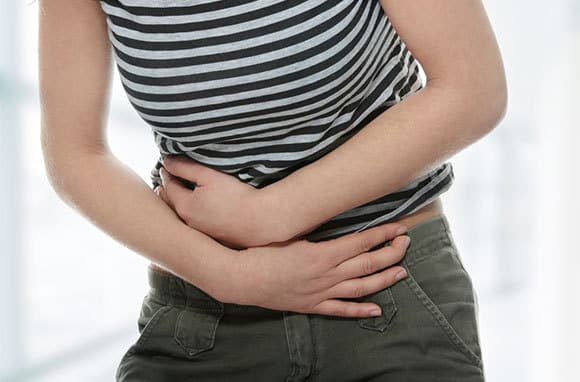

Introduction:
Experiencing diarrhea can be a distressing event, often leading to significant discomfort and disruption in daily life. Once the acute phase has passed, it is crucial to approach dietary resumption thoughtfully. Proper dietary management post-diarrhea not only aids in recovery but also helps restore gut health and prevent future episodes. This article outlines essential guidelines for resuming a normal diet after experiencing diarrhea, emphasizing the importance of a gradual and mindful approach.
Understanding the Importance of Dietary Resumption Post-Diarrhea
Following a bout of diarrhea, the gastrointestinal (GI) tract often requires time to recover. Dietary resumption is essential because it plays a pivotal role in replenishing lost nutrients and restoring the balance of gut flora. The gut microbiome, which can be disrupted during diarrhea, needs support to regain its healthy state. A well-planned diet can facilitate this recovery, reducing the risk of prolonged symptoms or complications.
Moreover, the body may experience dehydration and electrolyte imbalances due to fluid loss during diarrhea. Reintroducing the right foods and fluids can help restore these vital nutrients, ensuring that the body functions optimally. A gradual approach to dietary resumption minimizes the risk of overwhelming the digestive system, which may still be sensitive after an episode of diarrhea.
It’s also important to recognize that individual responses to food can vary significantly post-diarrhea. Listening to one’s body and adjusting dietary choices accordingly is critical. Some individuals may tolerate certain foods better than others, making personalized dietary strategies essential for effective recovery.
Finally, understanding the psychological aspect of dietary resumption is vital. Many individuals may develop food aversions or anxiety surrounding eating after experiencing diarrhea. Encouragement and education about safe food choices can help alleviate these fears and promote a healthier relationship with food during the recovery phase.
Initial Dietary Considerations After Diarrheal Episodes
When beginning to reintroduce food after diarrhea, it is advisable to start with small portions. Eating small, frequent meals instead of large ones can help ease the digestive process. This approach allows the GI tract to gradually adjust to food intake without becoming overwhelmed. It’s also beneficial to focus on bland foods that are easy to digest, as these can minimize irritation to the stomach lining.
The timing of dietary resumption is also crucial. Waiting at least 24 hours after the last episode of diarrhea before introducing solid foods is often recommended. This pause allows the digestive system to stabilize and reduces the likelihood of recurrence. Once solid foods are reintroduced, individuals should monitor their symptoms closely to identify any potential triggers.
In addition to the timing and portion size, the method of food preparation should be considered. Opting for steamed, boiled, or baked foods rather than fried or heavily spiced options can further aid digestion. These cooking methods tend to retain nutrients while being gentler on the stomach, making them ideal choices during recovery.
Lastly, it is essential to prioritize foods that provide essential nutrients. Incorporating a variety of vitamins and minerals can support overall health and recovery. Foods rich in potassium, such as bananas and potatoes, are particularly beneficial, as they help replenish lost electrolytes.
Recommended Foods for Gradual Dietary Reintroduction
As individuals begin to reintroduce solid foods, certain options are particularly well-tolerated and beneficial. Bland carbohydrates, such as white rice, plain toast, and oatmeal, are excellent starting points. These foods are easy to digest and can help firm up stools, making them ideal for the early stages of dietary resumption.
In addition to carbohydrates, lean proteins should be included in the diet. Options such as skinless chicken, fish, and eggs provide essential amino acids that support tissue repair and recovery. These proteins are generally well-tolerated and can help restore the body’s strength after an episode of diarrhea.
Furthermore, incorporating probiotic-rich foods can be advantageous for gut health. Yogurt with live cultures, kefir, and fermented foods like sauerkraut can help restore the balance of beneficial bacteria in the gut. These foods not only aid in digestion but also support immune function.
Finally, including soft fruits and vegetables can provide essential vitamins and minerals. Options such as applesauce, mashed bananas, and well-cooked carrots are gentle on the digestive system while offering nutritional benefits. These foods can help ease the transition back to a normal diet while providing necessary nutrients for recovery.
Foods to Avoid During Post-Diarrhea Recovery Phase
While certain foods can promote recovery, others may hinder the healing process. High-fiber foods, such as whole grains, nuts, and raw vegetables, should be avoided initially. These foods can be difficult to digest and may exacerbate symptoms like bloating and gas, making them unsuitable for the early stages of dietary resumption.
Additionally, dairy products can pose challenges for some individuals post-diarrhea. Lactose intolerance may develop temporarily after gastrointestinal distress, leading to discomfort if dairy is consumed. It is advisable to limit or avoid dairy products until tolerance is confirmed, opting for lactose-free alternatives if necessary.
Spicy and fatty foods should also be avoided during the recovery phase. These foods can irritate the digestive tract and may trigger a recurrence of symptoms. Instead, individuals should focus on bland, low-fat options that are easier on the stomach.
Lastly, caffeine and alcohol should be eliminated from the diet during recovery. Both substances can irritate the gastrointestinal tract and may contribute to dehydration, further complicating the recovery process. It is best to prioritize hydration and gentle foods until full recovery is achieved.
Hydration Strategies to Support Recovery After Diarrhea
Hydration is a critical component of recovery after diarrhea. Fluid loss during episodes can lead to dehydration, which can have serious health implications. Therefore, it is essential to prioritize fluid intake during the recovery phase. Water should be the primary source of hydration, but other options, such as oral rehydration solutions, can also be beneficial.
Oral rehydration solutions (ORS) contain a balanced mix of electrolytes and sugars, which can help replenish lost fluids effectively. These solutions are particularly useful for individuals who experienced significant fluid loss during diarrhea. They can be easily prepared at home or purchased from pharmacies.
In addition to ORS, broths and clear soups can provide hydration while also offering some nutritional benefits. These options are gentle on the stomach and can help restore electrolyte balance. It is important to avoid overly salty or fatty broths, as they may irritate the digestive system.
Finally, monitoring fluid intake is crucial. Keeping track of hydration levels can help ensure that the body is adequately replenished. Signs of dehydration, such as dark urine, dizziness, or dry mouth, should be taken seriously, and fluid intake should be increased accordingly.
Monitoring Symptoms and Adjusting Diet Accordingly
As individuals begin to reintroduce foods after diarrhea, it is essential to monitor symptoms closely. Keeping a food diary can be a helpful tool in identifying any foods that may trigger discomfort or exacerbate symptoms. This practice allows individuals to make informed dietary choices and adjust their intake as needed.
If symptoms such as bloating, gas, or diarrhea persist, it may be necessary to reassess the diet and eliminate potential irritants. Gradually reintroducing foods one at a time can help pinpoint specific triggers, allowing for a more tailored dietary approach.
Additionally, consulting with a healthcare professional or registered dietitian can provide valuable guidance during the recovery process. These experts can offer personalized recommendations based on individual health needs and dietary preferences, ensuring a safe and effective return to a normal diet.
Lastly, it is important to be patient during the recovery process. The gastrointestinal tract may take time to heal, and rushing the reintroduction of foods can lead to setbacks. Listening to the body and adjusting the diet accordingly is key to a successful recovery.
Conclusions:
In summary, the process of resuming a normal diet after diarrhea requires careful consideration and a gradual approach. By understanding the importance of dietary resumption, making informed food choices, and monitoring symptoms, individuals can support their recovery effectively. Hydration plays a crucial role, and avoiding irritants can help prevent setbacks. Ultimately, a mindful approach to dietary resumption can promote gut health and overall well-being.
Read more
-
World Health Organization – Diarrhoeal Disease: This resource provides comprehensive information on diarrhea, including causes, treatment, and prevention strategies.
-
Mayo Clinic – Diarrhea: Causes, Symptoms, and Treatment: A reliable source for understanding diarrhea’s symptoms, causes, and recommended treatments.
-
Cleveland Clinic – Diet After Diarrhea: This article outlines dietary recommendations and recovery strategies following diarrhea.
-
National Institute of Diabetes and Digestive and Kidney Diseases – Diarrhea: A detailed overview of diarrhea, its effects on the body, and recovery tips.
-
Harvard Health Publishing – The Role of Probiotics in Gastrointestinal Health: This resource discusses the benefits of probiotics in gut health and recovery after gastrointestinal disturbances.