

Introduction:
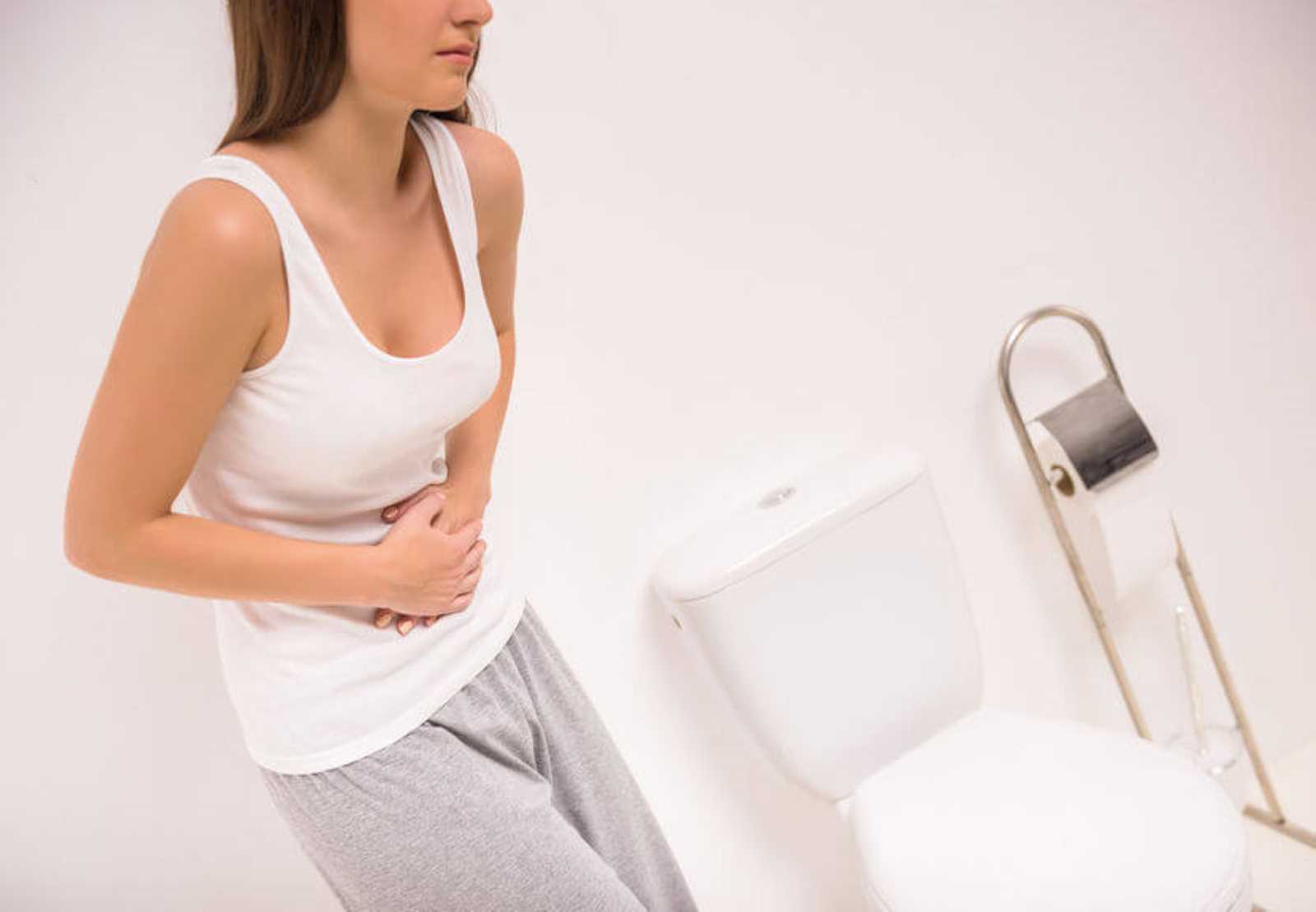
Diarrhea is a common gastrointestinal issue that can lead to discomfort and dehydration. Many individuals wonder whether they should continue to eat when experiencing this condition. Understanding the underlying causes and symptoms of diarrhea, as well as the role of nutrition during recovery, is crucial for effective management. This article will explore various aspects of eating during diarrhea, including timing, recommended foods, items to avoid, and the importance of hydration.
Understanding Diarrhea: Causes and Symptoms Explained
Diarrhea is characterized by frequent, loose, or watery bowel movements, often accompanied by abdominal cramps and urgency. It can be caused by a variety of factors, including infections (viral, bacterial, or parasitic), food intolerances, medications, and underlying health conditions such as irritable bowel syndrome (IBS) or inflammatory bowel disease (IBD). Recognizing the cause of diarrhea is essential for appropriate treatment and dietary adjustments.
Symptoms can vary from mild to severe and may include dehydration, which is particularly concerning in vulnerable populations such as children and the elderly. In some cases, diarrhea can be accompanied by fever, nausea, or vomiting, indicating a more serious underlying issue. Understanding these symptoms helps individuals determine when to seek medical attention.
The duration of diarrhea can also influence dietary choices. Acute diarrhea typically lasts for a few days and may resolve on its own, while chronic diarrhea persists for weeks or longer, often requiring medical intervention. Identifying the type of diarrhea can guide dietary recommendations and recovery strategies.
Overall, being aware of the causes and symptoms of diarrhea is the first step in managing the condition effectively. This knowledge empowers individuals to make informed decisions regarding their diet and when to seek professional help.
The Role of Nutrition During Gastrointestinal Distress
Nutrition plays a vital role in recovery from diarrhea. While it may seem counterintuitive to eat during gastrointestinal distress, the body still requires essential nutrients to heal and regain strength. Proper nutrition can help restore gut health and support the immune system.
During diarrhea, the gastrointestinal tract may become inflamed, leading to malabsorption of nutrients. This malabsorption can exacerbate symptoms and prolong recovery. Therefore, consuming easily digestible foods can help minimize gastrointestinal irritation while providing necessary calories and nutrients. Choosing the right foods can significantly impact recovery time.
Additionally, certain nutrients, such as zinc and probiotics, have been shown to support gut health and may aid in the recovery process. Zinc is essential for immune function and can help reduce the duration of diarrhea, while probiotics can restore the balance of beneficial bacteria in the gut. Incorporating these nutrients into the diet can be beneficial during recovery.
In summary, nutrition is a critical component of managing diarrhea. While it is important to be cautious about food choices, maintaining a balanced diet can facilitate recovery and restore overall health.
When to Eat: Timing Considerations for Diarrhea Recovery
Timing is an essential factor when deciding whether to eat during diarrhea. In the initial stages of the condition, it may be advisable to allow the gastrointestinal tract to rest. This means temporarily abstaining from solid foods and focusing on hydration. However, as symptoms begin to stabilize, reintroducing food becomes important for recovery.
Generally, it is recommended to wait until the worst symptoms subside before resuming a regular diet. This may involve starting with small, bland meals that are easy to digest. Listening to your body and recognizing when you feel ready to eat is crucial.
In some cases, individuals may experience a decrease in appetite during diarrhea. This is a natural response, but it is essential to ensure that the body receives adequate nourishment. Eating small, frequent meals can help meet nutritional needs without overwhelming the digestive system.
Ultimately, the timing of food intake during diarrhea should be guided by individual symptoms and comfort levels. Consulting with a healthcare professional can provide personalized recommendations based on specific circumstances.
Recommended Foods: What to Consume When Experiencing Diarrhea
When experiencing diarrhea, it is essential to choose foods that are gentle on the digestive system. The BRAT diet, which consists of bananas, rice, applesauce, and toast, is often recommended for its blandness and ease of digestion. These foods can help firm up stools and provide necessary carbohydrates.
In addition to the BRAT diet, other easily digestible options include boiled potatoes, plain crackers, and cooked carrots. These foods are low in fiber and fat, making them less likely to irritate the gastrointestinal tract. Incorporating these items into the diet can promote recovery.
Probiotic-rich foods, such as yogurt with live cultures, can also be beneficial. Probiotics help restore the natural balance of gut bacteria, which can be disrupted during episodes of diarrhea. Including these foods can enhance gut health and support recovery.
Finally, it is crucial to focus on hydration while consuming these foods. Clear broths, herbal teas, and electrolyte solutions can help replenish lost fluids and electrolytes. Maintaining hydration is a key aspect of managing diarrhea.
Foods to Avoid: Items That May Aggravate Diarrhea Symptoms
While certain foods can aid recovery, others can exacerbate diarrhea symptoms. Fatty, greasy, or fried foods should be avoided, as they can be difficult to digest and may worsen gastrointestinal distress. These foods can lead to increased cramping and discomfort.
Dairy products, particularly full-fat options, can also be problematic for some individuals during diarrhea. Lactose intolerance may be heightened during gastrointestinal distress, leading to further digestive issues. It is advisable to limit or eliminate dairy products until symptoms improve.
High-fiber foods, such as whole grains, beans, and certain fruits and vegetables, can also aggravate diarrhea symptoms. While fiber is generally beneficial for digestive health, it can be too harsh on the system during episodes of diarrhea. Reducing fiber intake can help ease symptoms.
Lastly, spicy foods and caffeine can irritate the gastrointestinal tract and should be avoided. These items can lead to increased urgency and discomfort. Being mindful of food choices is essential for effective management of diarrhea.
Hydration Strategies: Importance of Fluids During Diarrhea
Hydration is one of the most critical aspects of managing diarrhea. The body loses a significant amount of fluids and electrolytes during episodes of diarrhea, which can lead to dehydration. Maintaining proper hydration is essential for overall health and recovery.
To combat dehydration, it is important to consume plenty of fluids. Water is the best choice, but electrolyte solutions or oral rehydration solutions can be particularly beneficial. These solutions help replenish lost electrolytes and fluids more effectively than water alone.
In addition to plain water and rehydration solutions, clear broths and herbal teas can also contribute to fluid intake. These options provide hydration while being gentle on the stomach. It is advisable to avoid sugary drinks and caffeine, as they can worsen dehydration.
Monitoring hydration status is crucial, especially in vulnerable populations such as children and the elderly. Signs of dehydration include dry mouth, decreased urine output, and dizziness. Recognizing these signs early can help prevent complications.
Conclusions:
In conclusion, the decision to eat during diarrhea should be approached with caution and informed by individual symptoms and comfort levels. While nutrition plays a vital role in recovery, it is essential to choose easily digestible foods and maintain proper hydration. By understanding the causes and symptoms of diarrhea, individuals can make informed dietary choices that support their recovery and overall health.
Read more
- Mayo Clinic – Diarrhea: Symptoms and Causes – A comprehensive overview of diarrhea, including causes, symptoms, and treatment options.
- Cleveland Clinic – Diarrhea: When to See a Doctor – Guidelines on when to seek medical attention for diarrhea.
- World Health Organization – Diarrhoeal Disease – Information on the global impact of diarrhea and strategies for prevention and treatment.
- National Institute of Diabetes and Digestive and Kidney Diseases – Diarrhea – Detailed information on diarrhea, including causes and management strategies.
- Harvard Health Publishing – The BRAT Diet: What You Need to Know – An article discussing the BRAT diet and its role in managing diarrhea.