
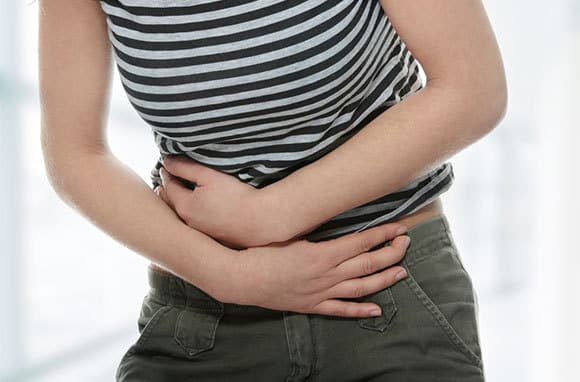

Introduction: Liquid stool, often referred to as diarrhea, is a common condition characterized by an increase in the frequency and fluidity of bowel movements. Understanding the causes of liquid stool is crucial for effective management and treatment, as it can be a symptom of various underlying health issues. This article aims to provide a comprehensive overview of the factors contributing to liquid stool, including anatomical and physiological aspects, dietary influences, infections, and diagnostic approaches.
1. Introduction to Liquid Stool: Definition and Importance
Liquid stool is defined as a bowel movement that is predominantly liquid in consistency, typically occurring more than three times a day. This condition can lead to significant discomfort and may result in dehydration, especially in vulnerable populations such as children and the elderly. The importance of recognizing and addressing liquid stool lies not only in alleviating immediate symptoms but also in identifying potential underlying health issues that may require medical intervention.
The prevalence of liquid stool varies globally, with factors such as geography, diet, and health status playing significant roles. In many cases, liquid stool can be acute, lasting only a few days, or chronic, persisting for weeks or longer. Understanding the duration and accompanying symptoms is essential for determining the appropriate course of action and potential treatments.
Moreover, liquid stool can significantly impact an individual’s quality of life, leading to social embarrassment, anxiety, and a reluctance to engage in normal activities. Therefore, addressing the causes and implications of liquid stool is vital for both physical and mental well-being.
Finally, awareness of the potential causes of liquid stool can empower individuals to seek timely medical advice, ensuring that any serious underlying conditions are promptly diagnosed and treated.
2. Anatomical and Physiological Basis of Stool Formation
The formation of stool is a complex process involving the gastrointestinal (GI) tract, which includes the mouth, esophagus, stomach, small intestine, and large intestine. The primary function of the GI tract is to digest food, absorb nutrients, and excrete waste. The consistency of stool is largely determined by the amount of water absorbed during this process, particularly in the large intestine.
In a healthy individual, the colon absorbs water and electrolytes from the indigestible food matter, resulting in the formation of solid stool. However, when the colon is unable to absorb sufficient water, or when there is an increase in the secretion of fluids into the intestinal lumen, the result is liquid stool. Factors that can disrupt this balance include inflammation, infection, and changes in gut motility.
Additionally, the presence of certain hormones and neurotransmitters can influence the movement of the intestines and the absorption of water. For instance, increased levels of serotonin can enhance motility, leading to quicker transit times and less water absorption. Understanding these physiological mechanisms is crucial for identifying the reasons behind liquid stool.
Furthermore, the gut microbiome plays a significant role in stool consistency. A healthy balance of gut bacteria aids in digestion and nutrient absorption, while dysbiosis—an imbalance in these microorganisms—can lead to gastrointestinal disturbances, including liquid stool.
3. Common Gastrointestinal Disorders Leading to Liquid Stool
Several gastrointestinal disorders can lead to the development of liquid stool. One of the most common is irritable bowel syndrome (IBS), a functional GI disorder characterized by abdominal pain, bloating, and altered bowel habits, including diarrhea. Individuals with IBS may experience liquid stool due to increased gut motility and sensitivity to certain foods.
Another prevalent condition is inflammatory bowel disease (IBD), which encompasses disorders such as Crohn’s disease and ulcerative colitis. These chronic inflammatory conditions can cause significant damage to the intestinal lining, leading to symptoms like diarrhea, abdominal pain, and weight loss. Liquid stool in IBD patients often results from inflammation and ulceration, which impair the absorption of fluids and nutrients.
Celiac disease, an autoimmune disorder triggered by gluten, can also result in liquid stool. In individuals with celiac disease, the ingestion of gluten leads to inflammation and damage to the small intestine, impairing nutrient absorption and causing diarrhea. Recognizing this condition is essential, as avoiding gluten can significantly improve symptoms.
Lastly, diverticulitis, an inflammation or infection of small pouches that can form in the walls of the colon, can lead to liquid stool due to the disruption of normal bowel function. Patients may experience abdominal pain, fever, and changes in bowel habits, including diarrhea.
4. Impact of Dietary Choices on Stool Consistency and Health
Dietary choices play a pivotal role in determining stool consistency. A diet high in fiber, particularly soluble fiber, can help regulate bowel movements and promote the formation of solid stool. Foods such as fruits, vegetables, whole grains, and legumes are rich in fiber and can aid in water absorption in the intestines.
Conversely, a diet low in fiber or high in processed foods can lead to liquid stool. Processed foods often contain additives and preservatives that can disrupt gut health and contribute to diarrhea. Additionally, excessive consumption of sugary foods and beverages can lead to osmotic diarrhea, where unabsorbed sugars draw water into the intestines, resulting in liquid stool.
Food intolerances and allergies can also significantly impact stool consistency. For example, lactose intolerance can lead to diarrhea when dairy products are consumed, as the body lacks the enzyme lactase needed to digest lactose. Similarly, certain individuals may react negatively to gluten or specific food additives, leading to gastrointestinal distress and liquid stool.
Moreover, hydration status is crucial for maintaining healthy stool consistency. Inadequate fluid intake can lead to dehydration and exacerbate the symptoms of liquid stool. Therefore, understanding the relationship between diet and stool consistency is essential for promoting overall gastrointestinal health.
5. Role of Infections in the Development of Liquid Stool
Infections are a leading cause of liquid stool, particularly in cases of acute diarrhea. Bacterial infections, such as those caused by Escherichia coli, Salmonella, and Campylobacter, can lead to inflammation of the intestines, resulting in increased fluid secretion and decreased absorption. These infections are often contracted through contaminated food or water and can cause symptoms such as abdominal cramps, fever, and liquid stool.
Viral infections, such as norovirus and rotavirus, are also common culprits of diarrhea. These viruses can spread rapidly, particularly in crowded environments, and often lead to outbreaks. The mechanism involves the destruction of intestinal cells, impairing their ability to absorb water and nutrients, which results in liquid stool.
Parasitic infections, such as those caused by Giardia lamblia or Entamoeba histolytica, can also lead to liquid stool. These parasites can disrupt normal gut function and cause inflammation, leading to diarrhea. Travelers to regions with poor sanitation are particularly at risk for these types of infections.
Understanding the role of infections in liquid stool is essential for prevention and treatment. Proper hygiene practices, such as handwashing and safe food handling, can significantly reduce the risk of contracting gastrointestinal infections.
6. Diagnostic Approaches for Identifying Underlying Causes
Diagnosing the underlying causes of liquid stool involves a comprehensive approach that includes a detailed medical history, physical examination, and diagnostic testing. Healthcare providers typically begin by assessing the patient’s symptoms, duration of diarrhea, and any accompanying signs, such as fever or abdominal pain.
Laboratory tests play a crucial role in identifying infections or other underlying conditions. Stool tests can detect the presence of pathogens, blood, or signs of malabsorption. In some cases, blood tests may be necessary to evaluate for inflammatory markers or nutritional deficiencies.
Imaging studies, such as abdominal ultrasounds or CT scans, may be employed to visualize the gastrointestinal tract and identify structural abnormalities or signs of inflammation. Additionally, endoscopic procedures, such as colonoscopy or sigmoidoscopy, can provide direct visualization of the intestines and allow for biopsy if necessary.
Ultimately, an accurate diagnosis is essential for effective treatment. Understanding the underlying cause of liquid stool enables healthcare providers to tailor interventions, whether they involve dietary changes, medications, or further investigations.
Conclusions: Liquid stool is a multifaceted condition influenced by various anatomical, physiological, dietary, infectious, and diagnostic factors. Recognizing the causes of liquid stool is essential for effective management and treatment, as it can indicate underlying health issues that require attention. By understanding the complexities of stool formation and the factors that disrupt this process, individuals can take proactive steps to maintain their gastrointestinal health.
Read more:
-
Mayo Clinic – Diarrhea – A comprehensive overview of diarrhea, including symptoms, causes, and treatment options.
-
Cleveland Clinic – Irritable Bowel Syndrome – Detailed information on IBS, its symptoms, and management strategies.
-
National Institute of Diabetes and Digestive and Kidney Diseases – Inflammatory Bowel Disease – Insights into IBD, including causes, symptoms, and treatment options.
-
World Health Organization – Diarrhoeal Disease – An overview of diarrheal diseases, their global impact, and preventive measures.
-
Johns Hopkins Medicine – Celiac Disease – Information on celiac disease, its symptoms, and dietary management strategies.