

Introduction:
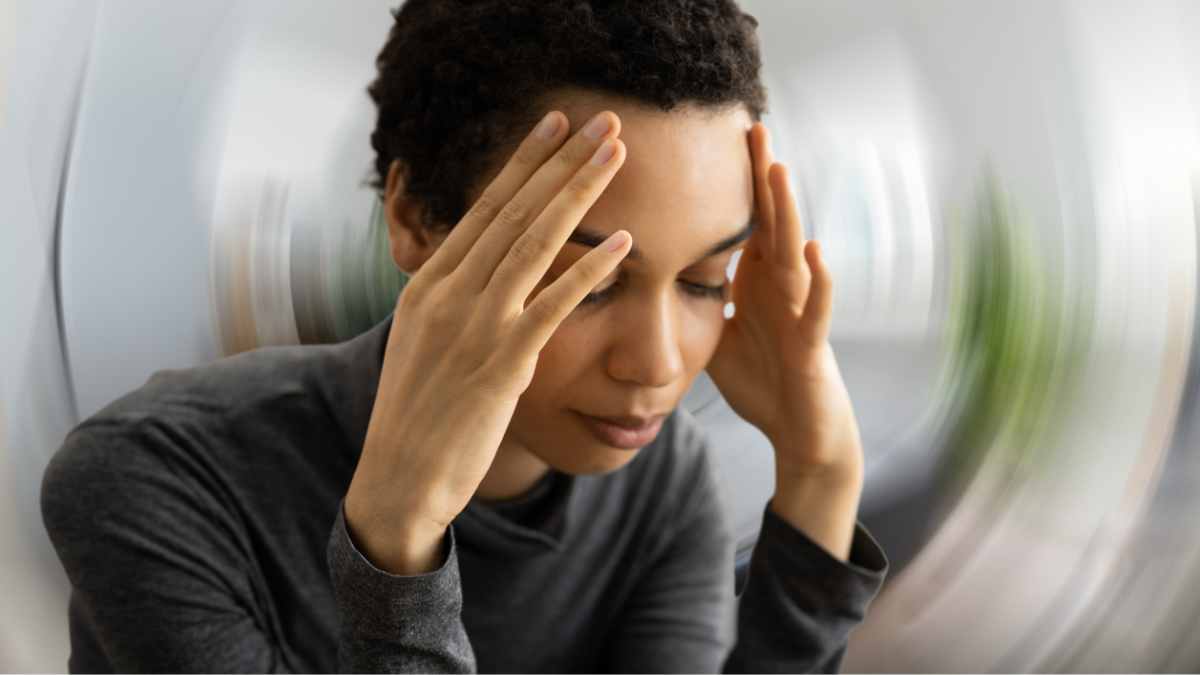
Feeling off balance without experiencing dizziness can be a perplexing symptom, often associated with anxiety. Individuals may find themselves struggling to understand why they feel unsteady, even when they are not experiencing the spinning sensation commonly associated with dizziness. This disconnect can lead to increased anxiety and confusion, creating a cycle that exacerbates the feeling of imbalance. Understanding the underlying mechanisms can help demystify these sensations and provide pathways for managing them effectively.
Understanding the Connection Between Anxiety and Balance Issues
Anxiety is a complex emotional state that can manifest in various physical symptoms, including balance disturbances. The feeling of being off balance can stem from heightened sensory sensitivity, where the brain becomes overly responsive to sensory input. This heightened state can lead to a misinterpretation of normal bodily signals, causing individuals to feel unsteady even in stable environments. The brain’s processing of sensory information can become skewed during moments of anxiety, leading to a sensation of imbalance.
Moreover, anxiety activates the body’s fight-or-flight response, which can alter physical sensations. When faced with stress, the body prepares to react, often resulting in muscle tension and changes in posture. These physiological changes can disrupt the body’s natural equilibrium, contributing to feelings of being off balance. Understanding this connection is crucial for individuals seeking to address their symptoms.
Additionally, anxiety can lead to an increased focus on bodily sensations, a phenomenon known as hyperawareness. This hyperawareness can amplify the perception of imbalance, making individuals more sensitive to subtle shifts in their body’s position. As a result, they may feel more off balance, even in the absence of dizziness. This heightened awareness can create a feedback loop, where anxiety leads to imbalance, which in turn increases anxiety.
Finally, it is essential to recognize that balance is a multifaceted experience involving the vestibular system, proprioception, and visual input. Anxiety can disrupt the integration of these systems, leading to a disjointed sense of balance. By understanding these connections, individuals can begin to address their feelings of imbalance more effectively.
The Neurological Basis of Sensory Processing in Anxiety
The brain plays a pivotal role in how we perceive balance and stability. In individuals with anxiety, the neurological pathways responsible for processing sensory information can become altered. The amygdala, a brain region involved in emotional processing, can become hyperactive during anxiety, leading to an exaggerated response to sensory stimuli. This hyperactivity can distort the brain’s interpretation of balance-related signals.
Furthermore, the cerebellum, which is crucial for coordinating movement and maintaining balance, may also be affected by anxiety. When anxiety levels are elevated, the cerebellum may not function optimally, leading to difficulties in maintaining physical equilibrium. This dysfunction can manifest as a feeling of being off balance, even when the individual is not experiencing dizziness.
The integration of sensory information from the vestibular system, proprioceptors, and visual inputs is essential for maintaining balance. Anxiety can disrupt this integration, causing the brain to misinterpret signals. For instance, an individual may perceive a slight shift in their center of gravity as a more significant imbalance due to heightened anxiety levels. Understanding this neurological basis can help individuals recognize that their feelings of imbalance are rooted in complex brain processes.
Moreover, research has shown that chronic anxiety can lead to changes in brain structure and function, potentially affecting balance perception. This highlights the importance of addressing anxiety not only for emotional well-being but also for physical stability. By understanding the neurological underpinnings of these sensations, individuals can take steps toward managing their symptoms more effectively.
Common Symptoms of Anxiety Beyond Dizziness Explained
While dizziness is a well-known symptom of anxiety, many individuals experience a range of other symptoms that can contribute to feelings of imbalance. These symptoms may include lightheadedness, a sensation of floating, or even a feeling of disconnection from one’s body. Such symptoms can be disconcerting and may lead individuals to believe they are experiencing more severe medical issues.
Another common symptom is nausea, which can accompany feelings of imbalance. This sensation can arise from the body’s stress response, which can affect the gastrointestinal system. The interplay between anxiety and physical symptoms can create a cycle where nausea exacerbates feelings of unsteadiness, further complicating the experience.
Individuals may also report muscle tension, particularly in the neck and shoulders, which can affect posture and contribute to a feeling of imbalance. Tension in these areas can lead to a misalignment of the body, making it more challenging to maintain stability. Recognizing muscle tension as a symptom of anxiety can help individuals address their physical sensations more effectively.
Finally, cognitive symptoms such as racing thoughts or difficulty concentrating can also contribute to feelings of imbalance. When the mind is preoccupied with anxious thoughts, it can distract from the body’s natural sense of equilibrium. This cognitive overload can lead to a perception of being off balance, even in the absence of dizziness.
Exploring the Role of Muscle Tension in Balance Perception
Muscle tension is a common physical manifestation of anxiety that can significantly impact balance perception. When individuals experience anxiety, their muscles may become tense as part of the body’s natural stress response. This tension can alter posture and affect the body’s center of gravity, leading to a feeling of being off balance. The connection between muscle tension and balance is particularly relevant in understanding why some individuals experience these symptoms without dizziness.
Tension in the neck and upper back can be particularly influential, as these areas are crucial for maintaining proper posture and alignment. When muscles in these regions are tight, they can restrict movement and lead to a misalignment of the head and neck, further contributing to feelings of unsteadiness. This physical discomfort can create a feedback loop, where anxiety leads to muscle tension, which in turn exacerbates feelings of imbalance.
Additionally, proprioception, the body’s ability to sense its position in space, can be affected by muscle tension. When muscles are tense, the brain may receive distorted signals about the body’s position, leading to confusion and a heightened sense of imbalance. This disruption in proprioceptive feedback can make it challenging for individuals to gauge their stability accurately.
Addressing muscle tension through relaxation techniques, physical therapy, or mindfulness practices can help alleviate feelings of imbalance. By recognizing the role of muscle tension in anxiety-related symptoms, individuals can take proactive steps to improve their physical and emotional well-being.
Psychological Factors Contributing to Feelings of Imbalance
Beyond the physiological aspects, psychological factors play a significant role in the experience of imbalance. Anxiety often leads to a heightened state of vigilance, where individuals become overly aware of their surroundings and bodily sensations. This hypervigilance can amplify feelings of unsteadiness, as individuals may become fixated on potential threats to their balance.
Moreover, the fear of falling or losing control can create a self-fulfilling prophecy, where the anticipation of imbalance leads to actual feelings of unsteadiness. This fear can result in avoidance behaviors, where individuals limit their activities or environments, further reinforcing their sense of imbalance. Understanding this psychological dynamic is essential for addressing the root causes of these sensations.
Cognitive distortions, such as catastrophizing or overgeneralizing, can also contribute to feelings of imbalance. Individuals may interpret minor sensations as significant threats, leading to increased anxiety and a distorted perception of their balance. Recognizing these cognitive patterns can help individuals reframe their experiences and reduce anxiety-related symptoms.
Finally, past experiences and trauma can shape an individual’s perception of balance. If someone has previously experienced a fall or a traumatic event related to balance, they may be more susceptible to feelings of unsteadiness in similar situations. Addressing these psychological factors through therapeutic interventions can help individuals regain a sense of stability and confidence.
Strategies for Managing Anxiety-Related Balance Disturbances
Managing anxiety-related balance disturbances requires a multifaceted approach that addresses both the physical and psychological aspects of the experience. One effective strategy is to engage in mindfulness practices, which can help individuals become more aware of their bodily sensations without judgment. Mindfulness can reduce hyperawareness and promote a sense of calm, alleviating feelings of imbalance.
Physical exercise is another vital component of managing balance disturbances. Activities such as yoga, tai chi, or balance training can improve proprioception and strengthen the muscles involved in maintaining stability. Regular exercise can also help reduce anxiety levels, creating a positive feedback loop that enhances overall well-being.
Cognitive-behavioral therapy (CBT) can be particularly effective for addressing the psychological factors contributing to feelings of imbalance. CBT techniques can help individuals challenge cognitive distortions and develop healthier thought patterns, reducing anxiety and improving their perception of balance. Working with a mental health professional can provide valuable support in this process.
Lastly, relaxation techniques such as deep breathing, progressive muscle relaxation, or guided imagery can help alleviate muscle tension and promote a sense of calm. By incorporating these strategies into daily routines, individuals can effectively manage their anxiety-related balance disturbances and improve their overall quality of life.
Conclusions:
Feeling off balance without dizziness can be a distressing experience, often rooted in the complex interplay between anxiety, sensory processing, and psychological factors. By understanding the underlying mechanisms and employing effective management strategies, individuals can regain a sense of stability and reduce the impact of anxiety on their daily lives. Recognizing the connection between anxiety and balance disturbances is the first step toward addressing these symptoms and improving overall well-being.
Read more
-
Anxiety and Dizziness: What’s the Connection? – This article explores the relationship between anxiety and dizziness, providing insights into how anxiety can manifest physically.
-
Understanding the Vestibular System – A comprehensive overview of the vestibular system and its role in balance, offering insights into how anxiety can impact this system.
-
The Role of Muscle Tension in Anxiety – This article discusses how muscle tension relates to anxiety and offers strategies for managing tension-related symptoms.
-
Cognitive Behavioral Therapy for Anxiety – A detailed look at how CBT can help individuals manage anxiety and its physical manifestations.
-
Mindfulness and Anxiety – An exploration of how mindfulness practices can reduce anxiety and improve overall mental health.