

Introduction:
Fever is a common physiological response that indicates the body is fighting off an infection or illness. It is characterized by an elevation in body temperature, often accompanied by various symptoms. Understanding how to recognize when a fever has broken is essential for effective management and recovery. This article will explore the definition and mechanisms of fever, common symptoms, monitoring techniques, physiological changes indicating a resolution of fever, when to seek medical attention, and post-fever care recommendations.
Understanding Fever: Definition and Mechanisms Involved
Fever is defined as a temporary increase in body temperature, often due to an illness. The normal body temperature typically ranges from 36.1°C to 37.2°C (97°F to 99°F). When the body detects an infection, the hypothalamus—the part of the brain responsible for regulating temperature—raises the body’s set point. This elevation is part of the immune response, as higher temperatures can inhibit the growth of pathogens and enhance the activity of immune cells.
The mechanisms involved in fever are complex and multifaceted. Pyrogens, substances that induce fever, can be either exogenous (originating from outside the body, such as bacteria or viruses) or endogenous (produced by the body’s immune system). These pyrogens stimulate the hypothalamus to increase the body temperature set point, leading to physiological responses such as shivering, increased metabolism, and vasoconstriction to conserve heat.
While fever is often a sign of an underlying condition, it is not always harmful. In fact, it can be beneficial, signaling that the body is actively fighting an infection. However, persistent or very high fevers can lead to complications, including dehydration, febrile seizures in children, and increased metabolic demands on the body.
Understanding the underlying mechanisms of fever can help individuals better interpret their symptoms and recognize when a fever may be breaking. This knowledge is crucial for effective self-care and determining when to seek medical assistance.
Common Symptoms Indicating the Presence of a Fever
The presence of a fever is often accompanied by a variety of symptoms that can indicate the body’s response to infection. Common symptoms include chills, sweating, headaches, and muscle aches. Chills occur as the body attempts to raise its temperature, causing a sensation of cold despite an elevated body temperature. Sweating often follows as the body tries to cool down once the fever begins to break.
In addition to these symptoms, individuals may experience fatigue, loss of appetite, and general malaise. Fatigue occurs as the body diverts energy to fight off infection, while loss of appetite is a natural response to illness. General malaise is a broad term that describes the overall feeling of discomfort or unease that often accompanies fever.
Other symptoms may include dehydration, which can result from increased perspiration and reduced fluid intake during illness. Signs of dehydration include dry mouth, decreased urine output, and dizziness. Monitoring these symptoms is essential, as they can provide insight into the severity of the fever and the body’s overall condition.
Recognizing these common symptoms can help individuals determine whether they are experiencing a fever and assess the need for further monitoring or medical intervention.
Monitoring Temperature: Tools and Techniques for Accuracy
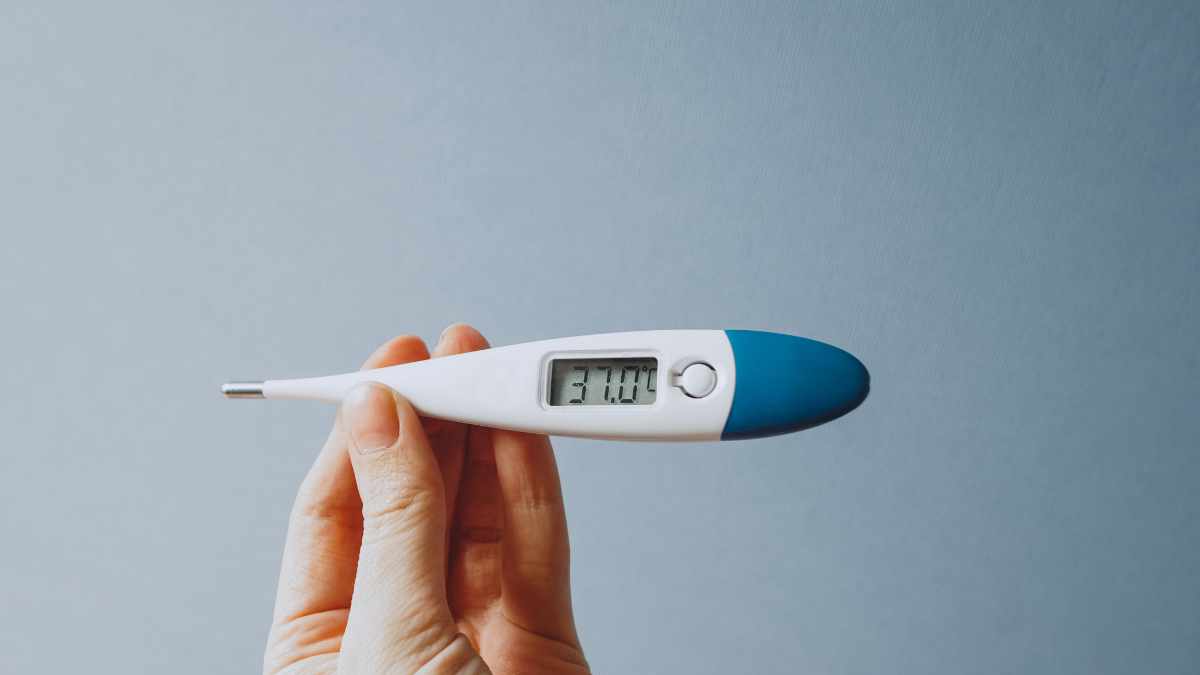
Accurate temperature monitoring is crucial for assessing the presence and progression of a fever. Various tools are available for measuring body temperature, including digital thermometers, infrared ear thermometers, and oral thermometers. Digital thermometers are widely used due to their accuracy and ease of use, while infrared thermometers provide quick readings without direct contact, making them ideal for use in children.
When measuring temperature, it is essential to follow the manufacturer’s instructions for the specific device being used. For instance, oral thermometers should be placed under the tongue for a specified duration, while rectal thermometers are often recommended for infants and young children for their accuracy. Understanding the appropriate method for each device ensures that readings are reliable.
In addition to using the right tools, it is important to monitor temperature at consistent intervals to track any changes. This can help determine if a fever is improving or worsening. Keeping a record of temperature readings can also aid healthcare providers in assessing the situation more accurately.
Finally, it is essential to consider the context of the readings. Factors such as time of day, recent physical activity, and the method of measurement can influence temperature readings. Understanding these variables can help individuals interpret their temperature data more effectively.
Physiological Changes: Signs That a Fever Is Breaking
When a fever is breaking, several physiological changes may occur, signaling that the body is returning to its normal state. One of the most noticeable signs is a decrease in body temperature. This can be accompanied by a feeling of warmth or sweating, as the body works to dissipate excess heat. Monitoring temperature during this phase can help confirm that the fever is resolving.
In addition to changes in temperature, individuals may experience increased perspiration. Sweating is the body’s natural mechanism for cooling down, and it often occurs as the fever begins to subside. This can be accompanied by a feeling of relief or a sense of well-being as the body transitions back to its normal state.
Another sign that a fever is breaking is a reduction in associated symptoms. For instance, headaches, muscle aches, and chills may begin to diminish as the body recovers. This improvement in overall comfort can be a positive indicator that the fever is resolving.
Finally, individuals may notice an increase in energy levels and a return to normal appetite. As the body fights off the infection and the fever subsides, individuals often feel more capable of resuming daily activities. Recognizing these signs can help individuals understand their recovery process and gauge when they might return to normal routines.
When to Seek Medical Attention During a Fever Episode
While many fevers can be managed at home, certain situations warrant medical attention. It is essential to seek help if a fever exceeds 39.4°C (103°F) in adults or 38°C (100.4°F) in infants under three months. High fevers can indicate a more serious underlying condition and may require further evaluation.
Additionally, individuals should seek medical advice if they experience persistent symptoms or if the fever lasts more than three days. Prolonged fever can be indicative of a more serious infection or illness that may require medical intervention. It is also crucial to consult a healthcare provider if the fever is accompanied by severe symptoms such as difficulty breathing, chest pain, confusion, or persistent vomiting.
For individuals with pre-existing health conditions or compromised immune systems, it is advisable to seek medical attention sooner. These populations may be at greater risk for complications from fever and should be monitored closely.
Finally, if there are any concerns about the severity of the fever or the associated symptoms, it is better to err on the side of caution and consult a healthcare professional. Early intervention can be vital in managing potential complications and ensuring a swift recovery.
Post-Fever Care: Recovery and Monitoring Recommendations
After a fever has resolved, it is essential to focus on recovery and monitoring to ensure complete healing. Adequate hydration is crucial, as fever can lead to dehydration. Drinking plenty of fluids, such as water, herbal teas, and clear broths, helps replenish lost fluids and supports the body’s recovery process.
Rest is another critical component of post-fever care. The body needs time to recover from the stress of fighting off an infection. Engaging in light activities and gradually returning to normal routines can help facilitate recovery without overexerting the body.
Monitoring for any recurrence of fever or the return of symptoms is also important. Keeping a close eye on temperature and overall well-being can help individuals identify any potential complications early. If symptoms return or worsen, seeking medical attention may be necessary.
Finally, maintaining a balanced diet rich in vitamins and minerals can support the immune system during recovery. Foods high in antioxidants, such as fruits and vegetables, can aid in healing and help restore energy levels. Overall, a comprehensive approach to post-fever care can promote a swift and complete recovery.
Conclusions:
Recognizing when a fever has broken is an essential skill that can aid in effective self-care and recovery. By understanding the mechanisms of fever, monitoring symptoms, and knowing when to seek medical attention, individuals can navigate the complexities of fever management more effectively. Post-fever care is equally important, ensuring that recovery is complete and that the body is supported in regaining its strength.
Read more
-
Mayo Clinic – Fever
A comprehensive overview of fever, including causes, symptoms, and treatment options. -
WebMD – Understanding Fever
An informative resource that explains fever, its significance, and when to seek medical help. -
Cleveland Clinic – Fever in Adults
Detailed information on fever in adults, including symptoms, causes, and management strategies. -
CDC – Fever and COVID-19
Insights into fever as a symptom of COVID-19 and recommendations for monitoring health during the pandemic. -
Healthline – When to See a Doctor for Fever
Guidelines on when to seek medical attention for fever, including specific symptoms to watch for.