
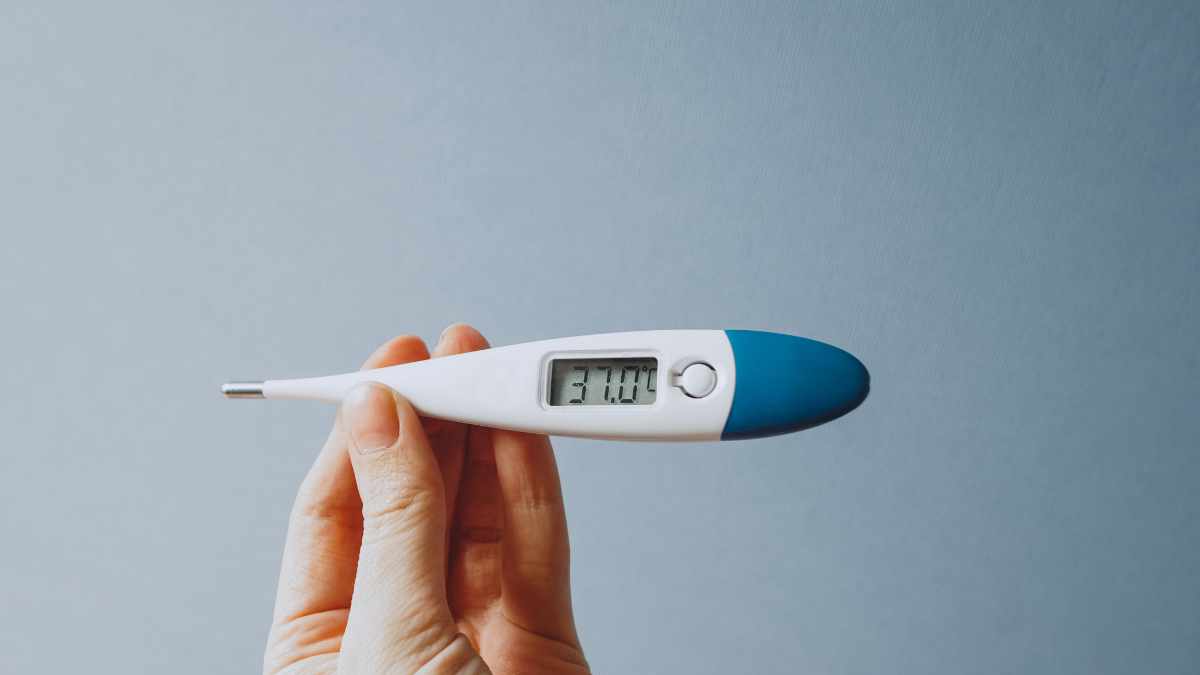

Introduction:
Fever is a common response of the body to various stimuli, often signaling an underlying health issue. Understanding what constitutes a fever and its implications for health is crucial for both individuals and caregivers. The threshold for fever can vary, and a temperature of 101.7°F raises questions about its significance and the appropriate response. This article aims to clarify the nuances of fever, particularly focusing on the temperature in question, and to provide guidance on when medical intervention is necessary.
Understanding Normal Body Temperature Ranges in Humans
Normal body temperature in humans typically ranges from 97°F to 98.6°F (36.1°C to 37°C), although individual variations exist. Factors such as age, time of day, and activity level can influence these values. For instance, body temperature is generally lower in the morning and higher in the late afternoon and evening. Additionally, certain physiological conditions, such as menstruation or exercise, can lead to temporary fluctuations.
The concept of a "normal" temperature is not universally fixed; it can differ based on the method of measurement. Oral temperatures are usually slightly lower than rectal readings, which are considered the most accurate. Understanding these variations is essential for accurately assessing whether a temperature is elevated.
Moreover, age plays a significant role in determining normal temperature ranges. Infants and young children often have higher baseline temperatures compared to adults. This variability underscores the importance of context when interpreting body temperature readings.
In summary, while the average normal body temperature is often cited as 98.6°F, it is essential to recognize the range of normalcy and the factors that can influence individual readings.
Defining Fever: What Constitutes a Feverish Condition?
Fever is generally defined as a temporary increase in body temperature, often due to an illness. The medical community typically considers a body temperature of 100.4°F (38°C) or higher as a fever. This definition is grounded in the body’s physiological response to pathogens, which can elevate temperature as a defense mechanism.
Fever can be classified into different categories based on its duration and severity. Acute fever lasts for a short period, often less than a week, while chronic fever persists for a longer duration, potentially indicating an underlying health issue. Low-grade fever, defined as a temperature between 100.4°F and 102.2°F, can signal mild infections or inflammatory processes.
The body’s response to fever is complex and involves the hypothalamus, which acts as the body’s thermostat. When the body detects pathogens, it releases pyrogens that signal the hypothalamus to raise the body’s temperature. This increase can help inhibit the growth of bacteria and viruses, enhancing the immune response.
In clinical settings, understanding the nature of a fever is crucial for diagnosis and treatment. Healthcare providers often consider not only the temperature but also accompanying symptoms to determine the underlying cause and appropriate management.
Evaluating the Significance of a 101.7°F Temperature
A temperature of 101.7°F falls within the low-grade fever range, which can indicate a mild infection or other health issues. While it is not considered a high fever, it is essential to monitor the individual’s overall condition and accompanying symptoms. The significance of this temperature can vary depending on the person’s age, medical history, and the presence of other clinical signs.
In children, a fever can be a common response to infections such as viral illnesses or bacterial infections. In adults, a 101.7°F temperature may also suggest an ongoing infection, but it can be less alarming if there are no other severe symptoms present. Factors such as fatigue, chills, or localized pain can provide additional context for evaluating the situation.
It is also important to consider the duration of the fever. A persistent low-grade fever that lasts more than a few days may warrant further investigation to rule out underlying conditions. In contrast, a transient fever that resolves quickly may not be of significant concern.
Ultimately, while 101.7°F is not classified as a high fever, it is essential to assess the broader clinical picture to determine its significance and whether further medical evaluation is needed.
Common Causes of Fever and Their Clinical Implications
Fever can arise from a variety of causes, ranging from benign to serious conditions. Infections are the most common culprits, including viral infections like the flu or common cold, bacterial infections such as strep throat, and more severe conditions like pneumonia or urinary tract infections. Each of these conditions may present with accompanying symptoms that can guide diagnosis and treatment.
Inflammatory conditions, such as rheumatoid arthritis or inflammatory bowel disease, can also lead to fever. In these cases, the fever may be associated with other systemic symptoms like joint pain or gastrointestinal distress. Autoimmune disorders can similarly trigger fever as part of the body’s inflammatory response.
In some instances, fever can be a reaction to medications, known as drug fever. This condition occurs when the body reacts to certain medications, leading to an elevated temperature. Identifying the offending agent is crucial in managing this type of fever.
Lastly, fever can be associated with malignancies, particularly hematological cancers like leukemia or lymphoma. In these cases, fever may be a sign of disease progression or infection due to immunosuppression. Understanding the underlying cause of fever is essential for effective treatment and management.
When to Seek Medical Attention for Elevated Temperatures
While many fevers can be managed at home, certain situations require medical attention. Individuals should seek medical help if they experience a fever of 103°F (39.4°C) or higher, especially if it persists for more than three days. In children, caregivers should consult a healthcare provider if the child is younger than three months and has a fever above 100.4°F (38°C).
Other concerning symptoms that warrant immediate medical attention include severe headache, rash, difficulty breathing, persistent vomiting, or confusion. These symptoms may indicate a more serious underlying condition that requires prompt evaluation and treatment.
Additionally, individuals with pre-existing health conditions, such as heart disease, diabetes, or compromised immune systems, should be particularly vigilant. A fever in these populations may signal complications or exacerbations of their underlying conditions.
In summary, while a 101.7°F temperature is generally not alarming, it is essential to monitor for additional symptoms and to seek medical advice when necessary. Early intervention can lead to better outcomes and prevent complications.
Conclusions: Interpreting Fever in the Context of Health
Fever serves as a vital sign of the body’s response to various health challenges. Understanding what constitutes a fever and the significance of specific temperature readings, such as 101.7°F, is crucial for effective health management. While this temperature is typically classified as low-grade, the context in which it occurs is essential for determining its implications.
Recognizing the potential causes of fever, from infections to inflammatory conditions, allows for more informed decision-making regarding health care. Monitoring accompanying symptoms and understanding when to seek medical attention can significantly impact patient outcomes.
In essence, fever is not merely a number on a thermometer but a complex physiological response that requires careful interpretation. By contextualizing fever within the broader scope of health, individuals and caregivers can make informed choices about when to seek further evaluation and treatment.
Read more
- Mayo Clinic – Fever: First Aid – A comprehensive guide on understanding fever, its causes, and when to seek medical help.
- CDC – Fever in Children – Information on fever in children, including symptoms to watch for and when to contact a doctor.
- Cleveland Clinic – Fever – An overview of fever, its causes, and treatment options available.
- Johns Hopkins Medicine – Understanding Fever – Insights into the physiological role of fever and its implications for health.
- Healthline – What Is Considered a Fever? – A detailed explanation of fever, including definitions, causes, and when to seek medical attention.