
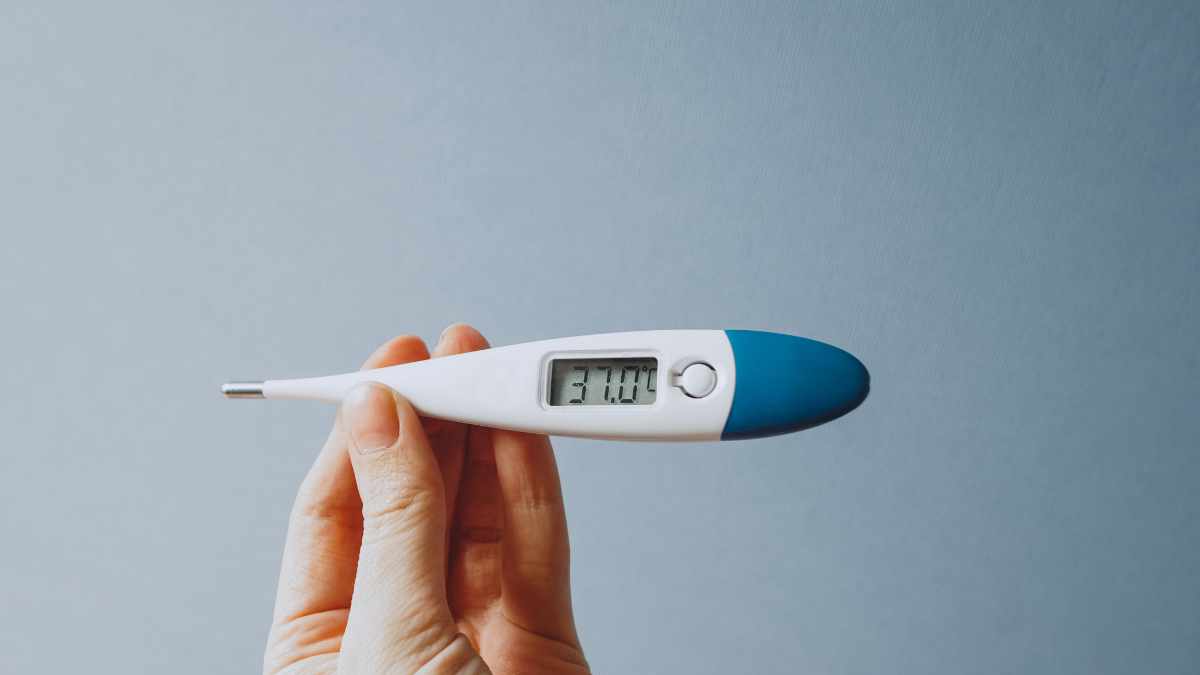

Introduction:
Fever is a common occurrence in children, often signaling that the body is fighting off an infection. Parents frequently find themselves concerned about the implications of their child’s elevated temperature. A reading of 103.9°F can be alarming, prompting questions about its severity and the appropriate response. Understanding the nuances of normal body temperature, the definition of fever, and the clinical implications of high fever is essential for caregivers. This article aims to provide a comprehensive overview of these aspects, enabling parents to make informed decisions regarding their child’s health.
Understanding Normal Body Temperature Ranges in Children
Normal body temperature in children typically ranges from 97°F to 100.4°F when measured orally. However, it is important to note that body temperature can vary based on several factors including the time of day, the child’s activity level, and the method of measurement. For instance, temperatures taken rectally may be slightly higher than those taken orally or axillary. Understanding these variances is crucial for accurate assessment.
In infants and young children, normal temperature can fluctuate more significantly due to their developing immune systems. Infants under three months may have a slightly higher normal range, and any fever in this age group should be taken seriously. Additionally, factors such as clothing, ambient temperature, and even the child’s emotional state can influence temperature readings. Thus, it is vital for caregivers to consider these elements when evaluating their child’s temperature.
The method of measurement also plays a significant role in determining what constitutes a normal or elevated temperature. Digital thermometers are commonly used for oral and axillary readings, while rectal thermometers are often regarded as the most accurate for infants. Understanding the differences in measurement techniques can help parents interpret the readings correctly.
Ultimately, a baseline understanding of normal body temperature ranges helps parents recognize when their child may be experiencing a fever, prompting further evaluation and action.
Defining Fever: What Constitutes a High Fever?
Fever is generally defined as an elevation in body temperature above the normal range. The American Academy of Pediatrics (AAP) classifies a fever as a temperature of 100.4°F or higher. When it comes to high fever, the threshold is often set at 102.2°F. A reading of 103.9°F is, therefore, considered a high fever and may warrant closer observation and intervention.
High fever can be a response to various conditions, including infections, inflammatory diseases, and even certain medications. It is the body’s natural defense mechanism, signaling that the immune system is actively working to combat an illness. While fever itself is not an illness, it can lead to discomfort and other complications if not managed appropriately.
In children, high fever can sometimes be accompanied by other symptoms, such as irritability, lethargy, or loss of appetite. Understanding what constitutes a high fever is essential for parents, as it helps them gauge the urgency of the situation and decide on the best course of action.
It is important to remember that while high fever can be concerning, it is not always indicative of a serious underlying condition. Many fevers resolve on their own as the body fights off infections. However, knowing when a fever is classified as high is crucial for effective management and care.
Clinical Implications of a 103.9°F Fever in Children
A fever of 103.9°F in a child can have several clinical implications. While it is a common symptom of infections like the flu or a cold, it can also indicate more serious conditions such as pneumonia or meningitis. The duration and accompanying symptoms are critical factors in assessing the severity of the situation.
In general, high fevers can lead to dehydration, especially if the child is not drinking fluids adequately. Dehydration can exacerbate the situation, leading to further complications. Parents should monitor their child’s fluid intake and ensure they remain hydrated, particularly during periods of high fever.
Another concern with high fever is the potential for febrile seizures, which can occur in some children between the ages of six months and five years. Febrile seizures are typically harmless, but they can be distressing for both the child and the parents. Understanding the risks associated with high fever can help parents remain calm and prepared.
Ultimately, while a fever of 103.9°F can be alarming, it is essential to consider the broader context, including the child’s overall health, any accompanying symptoms, and the duration of the fever to determine the appropriate response.
Evaluating Symptoms Associated with High Fever
When a child presents with a high fever, it is essential to evaluate any additional symptoms that may accompany the fever. Common symptoms associated with high fever include cough, sore throat, vomiting, diarrhea, and rash. Each of these symptoms can provide valuable insights into the underlying cause of the fever.
For instance, a child with a high fever and a persistent cough may be experiencing a respiratory infection, while a fever accompanied by a rash could indicate conditions such as roseola or chickenpox. Understanding these associations can help parents communicate effectively with healthcare providers and facilitate a more accurate diagnosis.
Additionally, parents should observe the child’s behavior and overall condition. Symptoms such as lethargy, irritability, or difficulty waking up can indicate that the child is more seriously ill and may require immediate medical attention. Monitoring changes in behavior can be crucial in assessing the severity of the illness.
Furthermore, the duration of the fever is an important factor. A fever lasting more than three days or a fever that spikes suddenly may require further evaluation. By carefully observing and documenting symptoms, parents can provide healthcare professionals with essential information that aids in diagnosis and treatment.
Recommended Interventions for Managing High Fever
When managing a child’s high fever, several interventions can help alleviate discomfort and reduce the fever itself. Over-the-counter medications such as acetaminophen or ibuprofen are commonly recommended to lower fever and relieve associated discomfort. It is crucial to follow dosing guidelines based on the child’s age and weight to ensure safety and effectiveness.
In addition to medication, non-pharmacological methods can also be beneficial. Encouraging fluid intake is vital, as hydration helps the body regulate temperature and prevents dehydration. Offering clear fluids such as water, broth, or electrolyte solutions can be particularly effective.
Parents can also use physical methods to help cool the child down. Dressing the child in lightweight clothing and using a lukewarm sponge bath can help reduce fever. However, it is essential to avoid cold baths or ice packs, as these can cause shivering and may raise body temperature.
Ultimately, the goal of managing high fever is to ensure the child’s comfort while monitoring for any signs of complications. Regularly checking the child’s temperature and observing for changes in symptoms can help parents make informed decisions about further interventions.
When to Seek Medical Attention for a Child’s Fever
Knowing when to seek medical attention for a child’s fever is crucial for ensuring their health and safety. Parents should consider contacting a healthcare provider if the child is under three months old and has a fever of 100.4°F or higher. In this age group, even a mild fever can be a sign of a serious infection.
For older children, medical attention is warranted if the fever reaches 104°F or higher, if it persists for more than three days, or if it is accompanied by severe symptoms such as difficulty breathing, persistent vomiting, or a rash. Changes in behavior, such as extreme irritability or lethargy, should also prompt a call to a healthcare provider.
Additionally, parents should seek immediate medical attention if the child experiences any signs of dehydration, such as dry mouth, lack of tears, or decreased urination. Dehydration can quickly become serious, especially in young children.
Ultimately, trusting one’s instincts as a caregiver is vital. If a parent feels that something is not right with their child, it is always better to err on the side of caution and seek professional advice.
Conclusions:
In summary, a fever of 103.9°F in a child is considered high and warrants careful evaluation. Understanding normal body temperature ranges, the definition of fever, and the clinical implications of high fever can empower parents to respond appropriately. By evaluating accompanying symptoms and knowing when to seek medical attention, caregivers can ensure their child’s health and safety during episodes of fever.
Read more
- American Academy of Pediatrics – Fever in Children – A comprehensive guide on fever management in children, including definitions and treatment options.
- Mayo Clinic – Fever in Children – An overview of fever symptoms, causes, and when to seek medical help.
- Centers for Disease Control and Prevention (CDC) – Caring for Your Child’s Fever – Guidelines for parents on managing fever in children and understanding when to consult a doctor.
- Healthline – Fever in Children: When to Seek Help – Information on fever in children, including symptoms and treatment strategies.
- Cleveland Clinic – Understanding Fever – A detailed article discussing the causes of fever, its implications, and management strategies.