
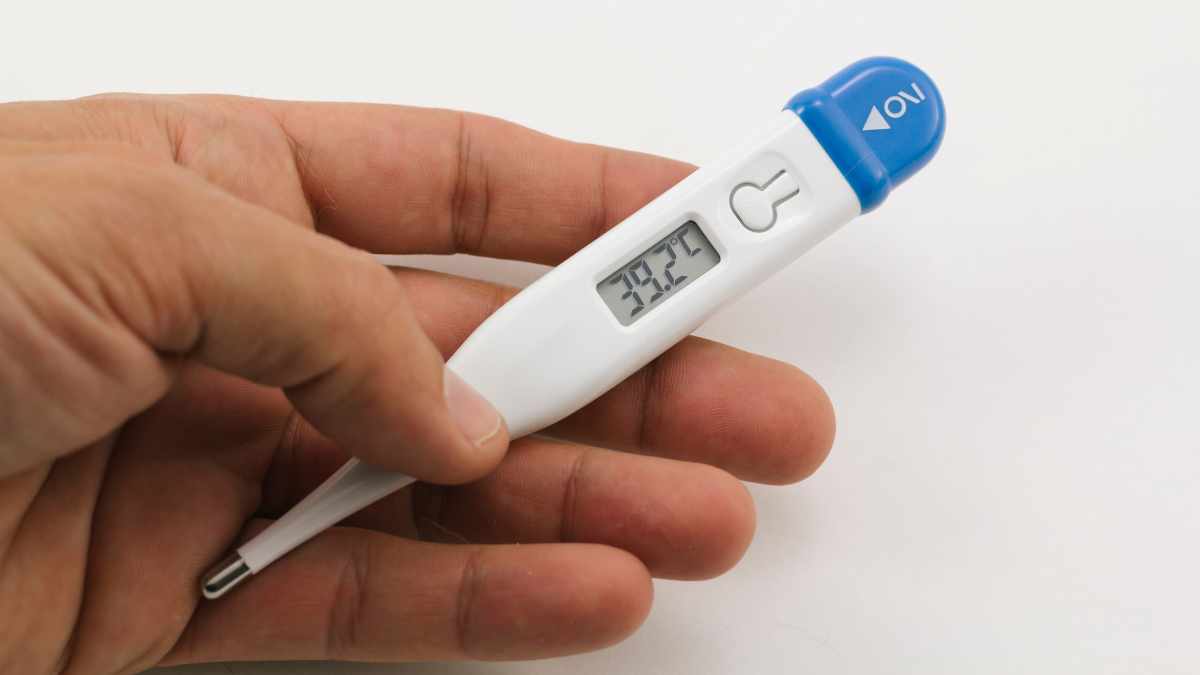

Introduction:
Understanding a child’s health often begins with monitoring their body temperature. Parents frequently find themselves questioning whether a specific temperature indicates a fever, especially when it comes to their little ones. One common temperature that arises in discussions is 97.8°F. This article aims to clarify whether this temperature constitutes a fever in children, exploring the nuances of normal body temperature, medical definitions of fever, and the various factors that can influence temperature readings.
Understanding Normal Body Temperature in Children
Normal body temperature can vary significantly among individuals and is influenced by several factors, including age, activity level, and the time of day. For children, the average body temperature typically ranges from 97°F to 100.4°F (36.1°C to 38°C). It’s essential to recognize that children’s body temperatures can fluctuate throughout the day, often being lower in the morning and higher in the late afternoon and evening.
In pediatric health, understanding what constitutes a "normal" temperature is crucial for parents and caregivers. Infants and young children may have slightly different baseline temperatures compared to older children and adults. For example, infants often exhibit a higher average temperature, which can be attributed to their developing immune systems and metabolic rates.
Moreover, the method of measurement can also affect the recorded temperature. Oral, rectal, and axillary (underarm) measurements can yield different results. Rectal temperatures are generally considered the most accurate for infants and young children, while oral temperatures are more common for older children. Therefore, knowing how to measure temperature accurately is vital for understanding a child’s health status.
Understanding these variations helps parents gauge their child’s health more effectively. It is essential to have a baseline understanding of what is normal for each child, as this can vary significantly.
Defining Fever: Medical Guidelines and Thresholds
Fever is generally defined as an elevation in body temperature above the normal range. According to medical guidelines, a temperature of 100.4°F (38°C) or higher is typically considered a fever in children. This threshold is based on extensive research and clinical observations, which indicate that elevated temperatures may signal an underlying infection or illness.
It’s important to note that fever is not an illness in itself but rather a symptom of an underlying condition. The body’s natural response to infection often includes raising its temperature to help fight off pathogens. In this context, fever can be seen as a protective mechanism, indicating that the immune system is active and responding to a potential threat.
In pediatric care, the management of fever often depends on the child’s age, overall health, and the presence of other symptoms. For instance, infants under three months with a fever may require immediate medical evaluation due to their increased vulnerability to serious infections. Conversely, older children may be monitored at home if they are otherwise healthy and displaying mild symptoms.
Understanding the medical definitions and thresholds for fever is crucial for parents. It empowers them to make informed decisions about their child’s health and when to seek further medical advice.
Assessing the Significance of 97.8°F in Pediatric Health
When evaluating whether 97.8°F constitutes a fever in children, it is essential to consider the established medical guidelines. Since 97.8°F falls within the normal range of body temperature, it does not meet the criteria for fever as defined by medical professionals. However, the context in which this temperature is observed is vital.
For instance, if a child exhibits other symptoms such as lethargy, irritability, or changes in appetite, even a normal temperature might warrant closer observation. Similarly, if the child has a history of febrile seizures or other health concerns, parents may need to be more vigilant about any temperature changes.
Moreover, individual variations in baseline body temperature can influence how parents interpret a reading of 97.8°F. Some children may naturally run warmer or cooler than others, so understanding their typical temperature range is essential for accurate assessment.
In summary, while 97.8°F is not classified as a fever, it is crucial to consider the broader context of the child’s health and any accompanying symptoms when interpreting this reading.
Factors Influencing Temperature Readings in Kids
Several factors can influence a child’s temperature readings, making it essential for parents to consider these variables when assessing their child’s health. Environmental factors such as room temperature, clothing, and physical activity can significantly impact body temperature. For instance, a child who has been playing actively may have a slightly elevated temperature due to increased metabolic activity.
Additionally, hormonal changes can affect body temperature, particularly in young girls during puberty. These fluctuations can lead to variations in baseline temperature, making it essential for parents to be aware of these changes as their children grow.
The time of day also plays a role in temperature readings. Body temperature tends to be lower in the early morning and higher in the late afternoon and evening. This diurnal variation is a natural physiological process and should be considered when evaluating a child’s temperature.
Lastly, illness and infection can lead to temporary changes in body temperature. Even mild infections can cause fluctuations, so understanding the context of a child’s health is vital for accurate assessment.
When to Seek Medical Attention for Elevated Temperatures
Parents often find themselves in a dilemma regarding when to seek medical attention for a child’s elevated temperature. While a reading of 97.8°F is not a cause for concern, there are specific guidelines to follow when temperatures rise. If a child exhibits a fever of 100.4°F (38°C) or higher, it is advisable to monitor their symptoms closely.
In infants under three months, any fever warrants immediate medical evaluation. For older children, parents should consider other symptoms, such as difficulty breathing, persistent vomiting, severe headache, or rash. If the child appears unusually lethargic or irritable, these signs may indicate a more serious condition that requires medical attention.
Additionally, if a fever persists for more than a few days or is accompanied by severe discomfort, parents should consult a healthcare professional. It is essential to trust one’s instincts as a caregiver; if something feels off, seeking medical advice is always a prudent choice.
In conclusion, understanding when to seek medical attention for elevated temperatures is critical for ensuring a child’s well-being. Parents should remain vigilant and informed about their child’s health, especially during periods of illness.
Conclusions:
In summary, a temperature of 97.8°F is not classified as a fever in children and falls within the normal range of body temperature. However, it is essential to consider the broader context of a child’s health, including any accompanying symptoms and individual variations in baseline temperature. Understanding the definitions and thresholds for fever, as well as the factors influencing temperature readings, empowers parents to make informed decisions regarding their child’s health.
Read more:
- American Academy of Pediatrics – Fever in Children – A comprehensive guide on fever management in children, including definitions and when to seek help.
- Mayo Clinic – Fever in Children – An overview of fever in children, including symptoms and treatment options.
- Centers for Disease Control and Prevention – Fever – Information on fever as a symptom of illness, including guidelines for parents.
- WebMD – Understanding Fever in Children – A detailed article discussing the causes of fever and when to contact a doctor.
- Healthline – What is a Fever? – An informative resource on fever, its causes, and management strategies for parents.