
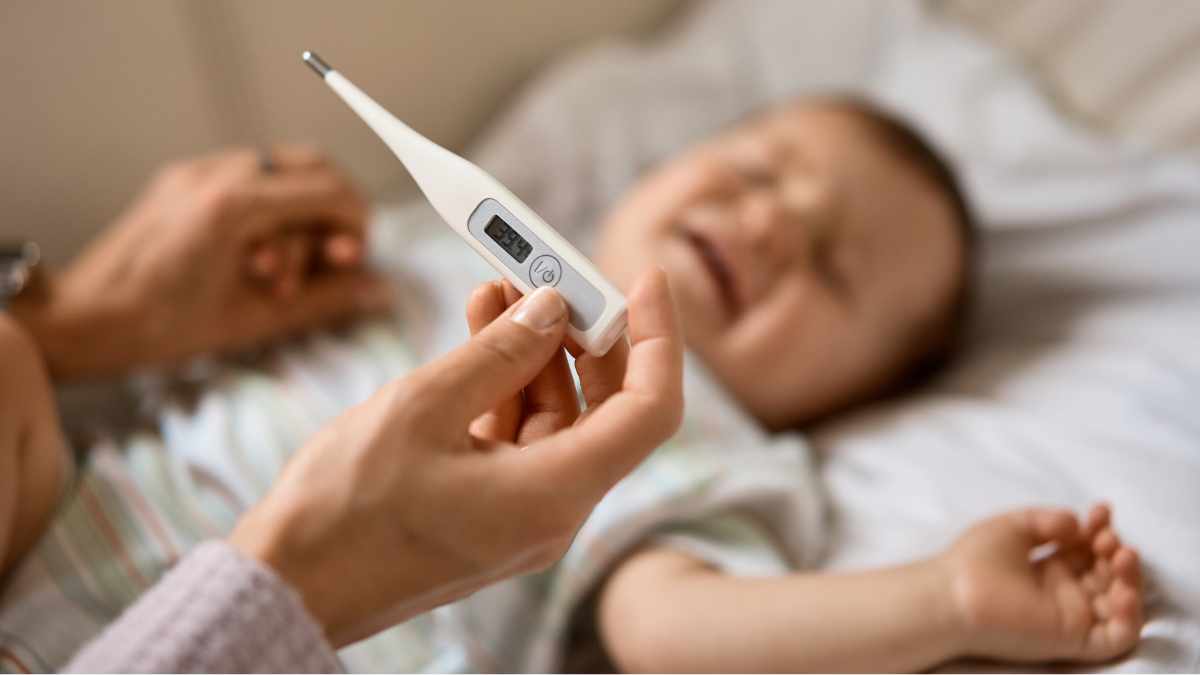

Introduction:
Body temperature is a critical indicator of health, often reflecting the body’s response to infection or illness. In adults, the normal range for body temperature typically hovers around 97°F to 99°F (36.1°C to 37.2°C). However, variations can occur due to numerous factors, including time of day, activity level, and individual physiology. A common question arises: is a temperature of 99.1°F considered a fever in adults? To answer this, we must delve into the definitions of normal and elevated body temperatures, clinical implications, and when medical intervention may be necessary.
Understanding Normal Body Temperature Ranges in Adults
Normal body temperature is not a fixed number but rather a range that can vary from person to person. The average body temperature for a healthy adult is often cited as 98.6°F (37°C), but research suggests that normal temperatures can be lower or higher. Factors such as age, sex, and the time of day can influence these readings. For instance, temperatures tend to be lower in the morning and higher in the late afternoon and evening.
Moreover, individual variations can be significant. Some adults may naturally maintain a body temperature of 97°F, while others may consistently measure around 99°F. This variability underscores the importance of understanding one’s baseline temperature, as what is considered "normal" can differ widely among individuals. Recognizing these nuances is essential for accurate health assessments.
In clinical settings, body temperature is often measured using various methods, including oral, rectal, axillary, and tympanic measurements. Each method can yield slightly different results, with rectal temperatures generally being the most accurate. Therefore, knowing the method of measurement is crucial when interpreting temperature readings.
Lastly, it is essential to consider the impact of external factors such as environmental temperature, recent physical activity, and even emotional stress, all of which can temporarily elevate body temperature. Understanding these influences helps in contextualizing any temperature reading, including 99.1°F.
Defining Fever: Medical Perspectives and Thresholds
Fever is generally defined as an elevation in body temperature above the normal range, typically recognized as 100.4°F (38°C) or higher. Medical professionals often use this threshold to diagnose fever, as it is widely accepted that a temperature above this mark indicates an immune response to infection or illness. However, the definition of fever can vary slightly among different medical sources.
The American College of Physicians and other health organizations provide guidelines that categorize temperatures between 100.4°F and 102.2°F (38°C to 39°C) as low-grade fever. In contrast, temperatures above 102.2°F are classified as moderate to high fever. This classification helps healthcare providers assess the severity of a patient’s condition and determine appropriate interventions.
Interestingly, some studies suggest that even slight elevations in temperature, such as 99°F to 100°F, may indicate an underlying health issue, especially if accompanied by other symptoms. Therefore, while 99.1°F does not meet the traditional criteria for fever, it may still warrant attention depending on the clinical context.
In summary, fever is a complex physiological response, and its definition can vary based on clinical guidelines and individual circumstances. Understanding these definitions is crucial for both patients and healthcare providers when evaluating temperature readings.
Evaluating the Significance of a 99.1°F Temperature
A temperature of 99.1°F is often considered to be within the upper limits of normal for many adults. While it does not meet the standard definition of fever, it can still be significant in certain contexts. For example, if a patient typically maintains a body temperature around 97°F, a reading of 99.1°F could indicate a mild elevation that may warrant further investigation.
In clinical practice, healthcare providers often consider the patient’s overall health status, recent medical history, and accompanying symptoms when evaluating a temperature reading. A temperature of 99.1°F may be a benign finding in an otherwise healthy individual, especially if there are no additional symptoms such as chills, sweating, or malaise.
However, in individuals with pre-existing health conditions or those who are immunocompromised, even a slight elevation in temperature can be a cause for concern. In such cases, a temperature of 99.1°F might prompt further evaluation to rule out potential infections or other health issues.
Moreover, it is essential to consider the duration of the elevated temperature. A transient increase may not be alarming, but a persistent elevation could indicate an underlying problem that requires medical attention. Therefore, while 99.1°F may not be classified as a fever, its significance should be evaluated in the broader context of the individual’s health.
Clinical Implications of Mild Fever in Adult Patients
Mild fever, including temperatures around 99.1°F, can have various clinical implications. For many adults, a slight elevation in temperature may be a normal physiological response to stress, exercise, or even emotional factors. However, in some cases, it may signal the onset of an infection or other medical conditions.
In the context of infectious diseases, even mild elevations in temperature can be an early indicator of illness. For instance, viral infections, such as the flu or common cold, may initially present with low-grade fever. Monitoring temperature trends can provide valuable information about the progression of the illness and the body’s response to it.
Healthcare providers often use mild fever as a diagnostic tool. For example, in cases of suspected infections, a temperature of 99.1°F may prompt further investigation, including blood tests, imaging studies, or other diagnostic procedures. This proactive approach can facilitate timely diagnosis and treatment, potentially preventing complications.
Additionally, understanding the implications of mild fever is essential for patient education. Patients should be informed about the significance of monitoring their temperature and recognizing when to seek medical attention. This knowledge empowers individuals to take an active role in their health care and encourages timely intervention when necessary.
When to Seek Medical Attention for Elevated Temperatures
While a temperature of 99.1°F is not typically a cause for alarm, there are specific situations in which individuals should seek medical attention. If the elevated temperature persists for more than a few days or is accompanied by other concerning symptoms—such as severe headache, rash, difficulty breathing, or persistent vomiting—medical evaluation is warranted.
Additionally, individuals with underlying health conditions, such as diabetes, heart disease, or respiratory disorders, should be particularly vigilant. For these patients, even mild elevations in temperature can indicate a more significant health issue. In such cases, it is crucial to consult a healthcare provider for guidance.
Another consideration is the age of the individual. Older adults may have different thresholds for what constitutes a concerning temperature. For example, a temperature of 99.1°F in an elderly person may be more significant than in a younger adult, given that older adults may have a lower baseline temperature.
Finally, anyone experiencing a temperature increase following recent travel, exposure to infectious diseases, or significant lifestyle changes should consider seeking medical advice. These factors can increase the risk of infections and other health issues, making it essential to stay vigilant about changes in body temperature.
Conclusions: Contextualizing 99.1°F in Adult Health Care
In conclusion, a temperature of 99.1°F in adults does not meet the standard definition of fever but can still hold clinical significance depending on the context. Understanding normal body temperature ranges, the definitions of fever, and the implications of mild elevations in temperature is crucial for both patients and healthcare providers.
While a reading of 99.1°F may not be alarming for most healthy adults, it is essential to consider individual health status, accompanying symptoms, and the duration of the elevation. In certain situations, such as in patients with underlying health conditions or the elderly, even slight increases in temperature may warrant further evaluation.
Ultimately, monitoring body temperature and understanding its implications can empower individuals to take proactive steps in their health care. Recognizing when to seek medical attention for elevated temperatures can lead to timely diagnosis and treatment, ensuring better health outcomes.
Read more
-
Mayo Clinic – Fever: First Aid
This resource provides comprehensive information on fever, including definitions, causes, and when to seek medical attention.
Mayo Clinic – Fever: First Aid -
Cleveland Clinic – Understanding Fever
This article explains what fever is, its causes, and how to manage it effectively.
Cleveland Clinic – Understanding Fever -
WebMD – Fever in Adults
This resource offers insights into fever in adults, including symptoms, causes, and treatment options.
WebMD – Fever in Adults -
Healthline – What Is a Fever?
This article discusses the definition of fever, its thresholds, and implications for health.
Healthline – What Is a Fever? -
American Family Physician – Fever in Adults
This publication provides a detailed overview of fever in adults, including diagnostic criteria and management strategies.
American Family Physician – Fever in Adults