

Se hai un abbonamento attivo ACCEDI QUI
Introduction:
Understanding what constitutes a fever in children is essential for parents and caregivers. A child’s body temperature can fluctuate throughout the day due to various factors, including activity level, time of day, and even clothing. Therefore, knowing whether a specific temperature reading indicates a fever is crucial for making informed decisions about health care. In this article, we will explore the nuances of body temperature in children, the definition of fever, methods for measuring temperature, the implications of a 99.5°F reading, and when to seek medical attention.
Understanding Normal Body Temperature in Children
Normal body temperature in children typically ranges from 97°F to 100.4°F (36.1°C to 38°C). This range can vary based on several factors, including the child’s age, time of day, and activity level. Generally, younger children tend to have slightly higher normal temperatures compared to older children and adults. Understanding this range is crucial for parents, as it sets the baseline for recognizing when a child’s temperature may be elevated.
The body regulates temperature through a complex system involving the hypothalamus, which acts as the body’s thermostat. Factors such as environmental temperature, clothing, and even emotional state can influence a child’s body temperature. For instance, a child who has been playing energetically may have a higher temperature than one who has been resting. Therefore, it is important to consider context when evaluating temperature readings.
In addition to age and activity level, the method of temperature measurement can also affect readings. Different methods, such as oral, rectal, or axillary (underarm), can yield varying results. For example, rectal temperatures are generally considered the most accurate for infants and young children, while oral measurements are more common in older children. Understanding these nuances helps caregivers interpret temperature readings more accurately.
Lastly, it’s worth noting that some children may have a naturally higher or lower baseline temperature. This individual variability underscores the importance of knowing what is typical for a specific child. Establishing a baseline can aid in recognizing deviations that may indicate illness.
Defining Fever: Medical Guidelines and Thresholds
Fever is generally defined as a temporary increase in body temperature, often due to an illness. According to the American Academy of Pediatrics (AAP), a fever is typically considered to be a temperature of 100.4°F (38°C) or higher. This threshold is widely accepted in pediatric care and serves as a guideline for parents and healthcare providers when assessing a child’s health.
The physiological response of fever is part of the body’s defense mechanism against infections. When the body detects pathogens, it raises its temperature to create an environment less favorable for the growth of these invaders. While fever can be uncomfortable for children, it is often not harmful and may even be beneficial in fighting infections.
It is important to differentiate between low-grade fever and high-grade fever. A low-grade fever is usually defined as a temperature between 100.4°F and 102.2°F (38°C to 39°C), while a high-grade fever is typically above 102.2°F (39°C). Understanding these distinctions can help caregivers determine the urgency of the situation and whether immediate medical attention is necessary.
Moreover, fever can manifest differently in children based on their age and overall health. Infants under three months with a fever of 100.4°F (38°C) or higher should be evaluated by a healthcare provider immediately, as they are at a greater risk for serious infections. In contrast, older children may exhibit varying degrees of fever with different underlying causes.
Measuring Temperature: Methods and Accuracy in Children
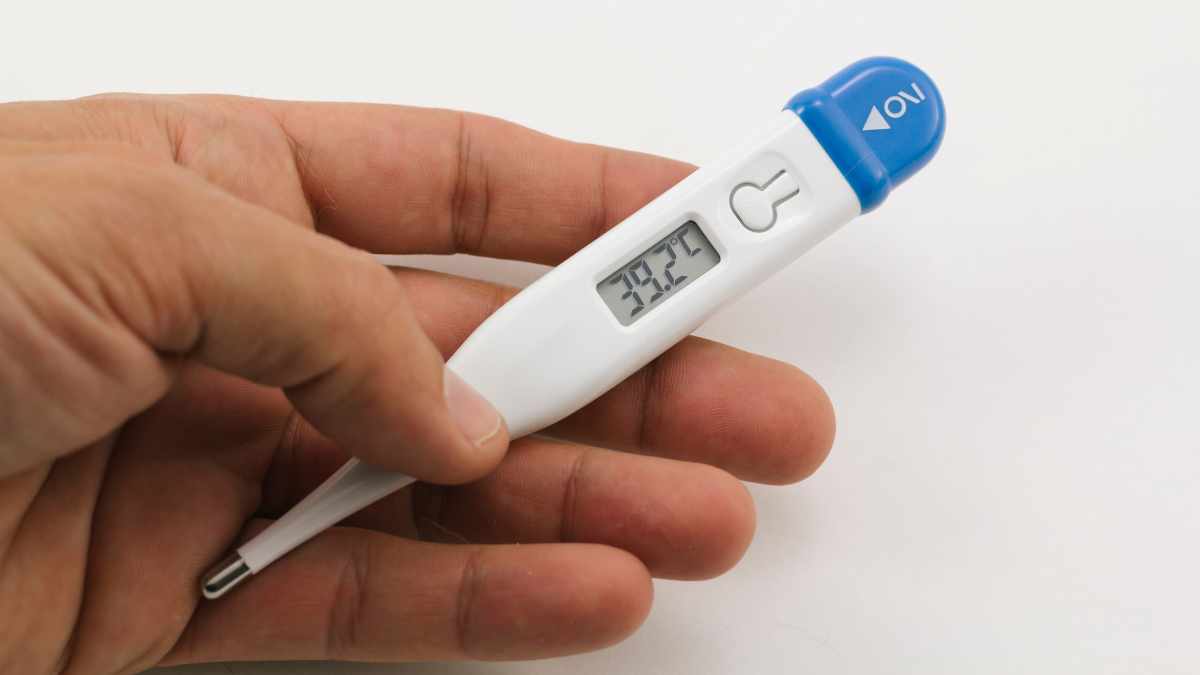
Accurate measurement of a child’s temperature is crucial for determining whether they have a fever. Various methods are available, each with its own advantages and limitations. The most common methods include oral, rectal, axillary, and tympanic (ear) measurements. Each method can yield different readings, and understanding these differences is essential for accurate assessment.
Rectal temperature measurement is often considered the gold standard for infants and young children due to its accuracy. This method can provide a reliable indication of core body temperature, making it particularly useful in clinical settings. However, it may be less practical for everyday use at home, as it can be uncomfortable for the child and requires careful technique.
Oral temperature measurement becomes more feasible as children grow older and can cooperate. It is generally accurate but can be influenced by recent food or drink consumption. Axillary measurements are less invasive but tend to be less reliable, often yielding lower readings than rectal or oral methods. Tympanic thermometers offer a quick and non-invasive option, but their accuracy can be affected by earwax or improper placement.
Regardless of the method used, it is essential for caregivers to follow the manufacturer’s instructions for the thermometer to ensure accurate readings. Additionally, taking multiple readings and averaging them can provide a more reliable assessment of the child’s temperature.
Analyzing the Significance of a 99.5°F Reading
A temperature reading of 99.5°F (37.5°C) is often classified as a low-grade fever, but its significance can vary based on the individual child’s baseline temperature and overall health. For some children, this reading may be a normal fluctuation, while for others, it could indicate the onset of an illness. Understanding the context of the reading is crucial for interpretation.
In many cases, a low-grade fever may not be a cause for alarm. It can be a natural response to a mild infection or even a reaction to vaccinations. Parents should consider accompanying symptoms, such as irritability, lethargy, or changes in appetite, when evaluating the significance of a 99.5°F reading. If the child appears otherwise healthy and active, this temperature may not warrant immediate concern.
However, if the child exhibits other symptoms or if the temperature continues to rise, further evaluation may be necessary. Monitoring the child’s behavior and overall condition can provide valuable insights into whether the fever is a benign response or a sign of a more serious issue. Additionally, parents should be aware of any pre-existing health conditions that may complicate the situation.
Overall, a 99.5°F reading should prompt caregivers to observe the child closely and consider seeking advice from a healthcare provider if there are any doubts or concerns. Understanding the broader context of the child’s health is essential for making informed decisions about care.
When to Seek Medical Attention for Elevated Temperatures
While many fevers in children can be managed at home, there are specific situations where seeking medical attention is advisable. Parents should be vigilant for signs that indicate a more serious underlying condition. For infants under three months, any fever of 100.4°F (38°C) or higher warrants immediate medical evaluation. This age group is particularly vulnerable to serious infections, and prompt assessment is crucial.
For older children, parents should consider seeking medical attention if the fever persists for more than three days, if it exceeds 104°F (40°C), or if it is accompanied by severe symptoms such as difficulty breathing, persistent vomiting, or a rash. Additionally, if the child appears unusually lethargic or irritable, or if there are any concerning changes in behavior, it is essential to consult a healthcare provider.
Parents should also be aware of the potential for dehydration, especially if the child is experiencing fever along with diarrhea or vomiting. Signs of dehydration include dry mouth, decreased urination, and lethargy. In such cases, medical intervention may be necessary to prevent complications.
In summary, while many fevers can be managed at home, it is crucial for parents to remain vigilant and seek medical attention when necessary. Understanding the signs and symptoms that warrant concern can help ensure that children receive appropriate care in a timely manner.
Conclusions: Interpreting Fever in Pediatric Care
In pediatric care, understanding what constitutes a fever and how to interpret temperature readings is vital for effective management. A reading of 99.5°F may not necessarily indicate a fever, depending on the child’s baseline temperature and overall condition. Parents should consider the context of the reading, including accompanying symptoms and the child’s behavior.
Effective temperature measurement is essential for accurate assessment. Different methods yield varying results, and caregivers should be familiar with these methods to ensure reliable readings. Monitoring the child’s condition and knowing when to seek medical attention can significantly impact their health outcomes.
Ultimately, the interpretation of fever in children requires a comprehensive understanding of normal body temperature ranges, the physiological role of fever, and the individual child’s health status. By staying informed and vigilant, parents can make better decisions regarding their child’s health and well-being.
Read more
- American Academy of Pediatrics – Fever in Children – A comprehensive guide on fever management in children, outlining definitions, thresholds, and when to seek help.
- Mayo Clinic – Fever in Children: When to Call the Doctor – An informative resource detailing symptoms, causes, and recommendations for managing fever in children.
- Centers for Disease Control and Prevention – Fever in Children – Guidelines from the CDC on recognizing and managing fever in pediatric patients.
- Cleveland Clinic – Understanding Fever in Children – An article discussing the causes of fever in children and when to seek medical attention.
- Healthline – When to Worry About a Fever in Children – A detailed overview of fever in children, including signs to watch for and advice on treatment options.