

Introduction:
In the realm of health and wellness, understanding body temperature is crucial for assessing an individual’s health status. The human body maintains a relatively stable temperature, but variations can indicate underlying health issues. One common question arises when a forehead temperature reading of 99.7°F is recorded: Is this considered a fever? This article will delve into the nuances of body temperature, fever definitions, the significance of forehead temperature readings, and the factors that can influence these measurements.
Understanding Normal Body Temperature Ranges in Humans
The normal body temperature for a healthy adult typically ranges from 97°F to 99°F (36.1°C to 37.2°C). This range can vary based on several factors, including the time of day, the individual’s age, and their level of physical activity. Generally, body temperature tends to be lower in the morning and higher in the late afternoon and evening.
Moreover, it is essential to recognize that normal body temperature can differ from person to person. Factors such as hormonal changes, particularly in women during their menstrual cycles, can also lead to fluctuations in body temperature. Infants and young children may exhibit different normal ranges due to their developing bodies, making it crucial to consider these variations when assessing temperature.
In clinical settings, body temperature is often measured using various methods, including oral, rectal, axillary (underarm), and tympanic (ear) measurements. Each method can yield slightly different results, and understanding these differences is vital for accurate assessment.
Lastly, the concept of baseline temperature is important; it refers to an individual’s typical temperature range, which can be established over time. Recognizing what is normal for a specific person allows for better identification of deviations that may indicate illness.
Defining Fever: Clinical Criteria and Measurement Methods
Fever is generally defined as an elevation in body temperature above the normal range, typically considered to be 100.4°F (38°C) or higher. This definition is crucial for clinical diagnosis and treatment, as fever often serves as a sign of infection or other medical conditions.
In clinical practice, the methods used to measure temperature can significantly influence the diagnosis of fever. For example, rectal temperatures are usually considered the most accurate, especially in children. In contrast, oral and axillary measurements may yield lower readings, which can complicate the determination of fever.
Additionally, the duration and context of the fever are essential to consider. A transient fever may not be as concerning as a persistent one, which could indicate a more severe underlying condition. Health professionals often consider accompanying symptoms, such as chills, sweating, or fatigue, when evaluating a patient with a fever.
Overall, understanding the clinical criteria for fever and the methods used to measure temperature is essential for accurate diagnosis and treatment. This knowledge allows healthcare providers to make informed decisions regarding patient care.
The Significance of Forehead Temperature Readings
Forehead temperature readings, often taken using infrared thermometers, have gained popularity due to their non-invasive nature and ease of use. These devices measure the heat emitted from the forehead, providing a quick estimate of body temperature. However, the accuracy of these readings can be influenced by several factors.
One significant advantage of forehead thermometers is their ability to provide immediate results, making them particularly useful in settings such as schools, airports, and hospitals. They are often used for mass screenings, especially during public health concerns like the COVID-19 pandemic. However, while convenient, these readings may not always reflect core body temperature accurately.
The significance of forehead temperature readings lies in their ability to serve as a preliminary screening tool. If a forehead reading indicates a potential fever, further confirmation through more accurate methods, such as oral or rectal measurements, is advisable.
Moreover, healthcare professionals often emphasize the importance of context when interpreting forehead readings. Factors such as ambient temperature, recent physical activity, and even the time of day can affect the accuracy of forehead temperature measurements, necessitating careful consideration when evaluating results.
Analyzing the 99.7°F Threshold: Fever or Not?
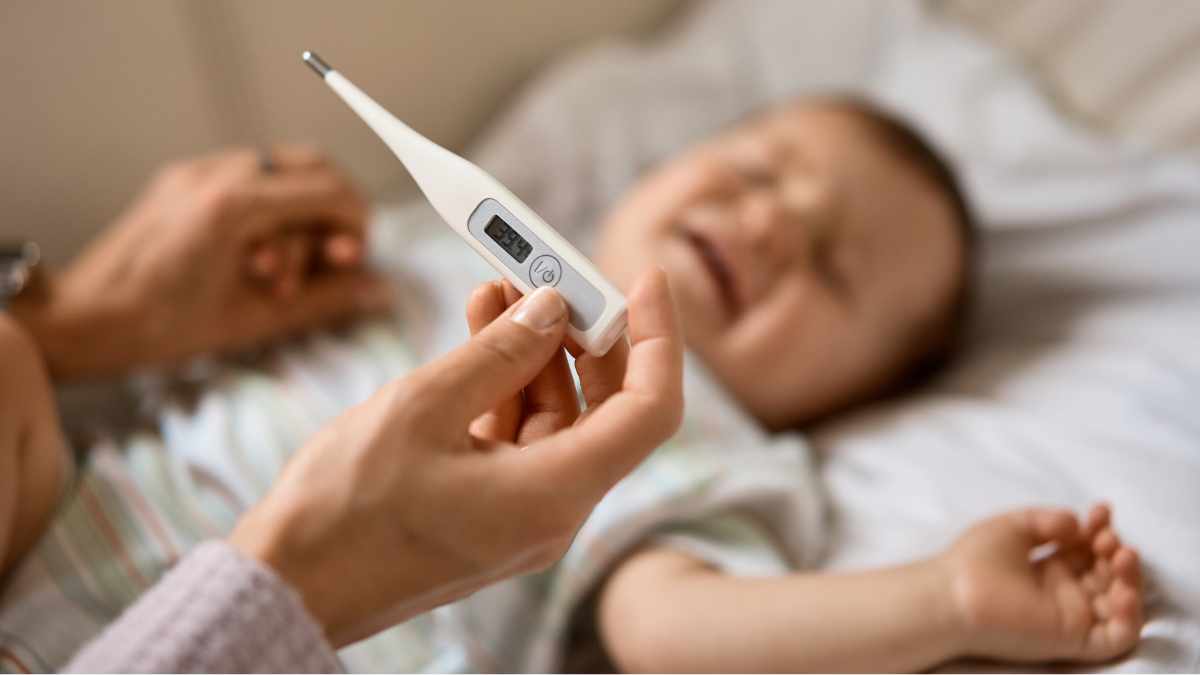
A forehead temperature reading of 99.7°F falls within the range that can be considered elevated but does not meet the clinical definition of fever, which is typically set at 100.4°F (38°C) or higher. However, it is essential to recognize that this reading may still indicate a potential health issue, especially if accompanied by other symptoms.
In some cases, a temperature of 99.7°F may be a normal variation for an individual, particularly if it is close to their established baseline. For instance, individuals who naturally maintain a higher baseline temperature may not necessarily be experiencing a fever at this reading.
Additionally, the context in which the temperature is taken plays a critical role. If the reading is taken after physical exertion or in a warm environment, it may not accurately reflect the individual’s health status. Therefore, it is advisable to monitor the temperature over time and consider other symptoms before concluding that a fever is present.
In summary, while 99.7°F does not meet the standard definition of fever, it should not be dismissed outright. Further observation and context are essential for an accurate assessment of health.
Factors Influencing Forehead Temperature Accuracy
Several factors can influence the accuracy of forehead temperature readings, making it crucial for individuals and healthcare providers to be aware of these variables. Ambient temperature is one of the most significant factors; if the environment is too hot or too cold, it can affect the readings.
Another critical factor is skin conditions. If the forehead is sweaty, oily, or covered in makeup, it may interfere with the infrared sensor’s ability to accurately measure temperature. Similarly, hair on the forehead can also obstruct the reading, leading to potential inaccuracies.
The age of the individual can also play a role. For instance, infants and young children may have different skin temperatures compared to adults, potentially leading to discrepancies in readings. Furthermore, the technique used to take the temperature, such as the distance from the forehead and the duration of the measurement, can significantly impact accuracy.
Lastly, the calibration of the thermometer itself is vital. Regular maintenance and calibration of forehead thermometers ensure that they provide reliable readings. Users should always follow the manufacturer’s guidelines for use to minimize errors.
Recommendations for Monitoring and Managing Fever Symptoms
When monitoring for fever, it is essential to use a reliable thermometer and follow proper measurement techniques. If a forehead temperature reading indicates a potential fever, it is advisable to confirm the reading with a more accurate method, such as oral or rectal measurement.
In managing fever symptoms, hydration is critical. Ensuring adequate fluid intake can help the body regulate temperature and prevent dehydration. Additionally, over-the-counter medications like acetaminophen or ibuprofen can help reduce fever and alleviate discomfort, but it is essential to follow dosage guidelines and consult a healthcare provider if symptoms persist.
Monitoring for accompanying symptoms is also vital. If fever is accompanied by severe headache, rash, difficulty breathing, or persistent vomiting, it is crucial to seek medical attention promptly. These symptoms may indicate a more serious underlying condition that requires immediate care.
Finally, maintaining a comfortable environment can help manage fever symptoms. Keeping the room cool, dressing in lightweight clothing, and using light bedding can assist in regulating body temperature and providing comfort.
Conclusions:
In conclusion, a forehead temperature reading of 99.7°F does not meet the clinical definition of fever; however, it may still warrant further observation and context. Understanding normal body temperature ranges, the criteria for fever, and the factors influencing temperature readings is essential for accurate health assessments. By monitoring symptoms and using appropriate measurement techniques, individuals can better manage their health and seek necessary medical attention when required.
Read more
- Mayo Clinic – Fever – Comprehensive overview of fever, its symptoms, causes, and when to seek medical advice.
- CDC – Fever in Children – Guidelines from the Centers for Disease Control and Prevention on managing fever in children.
- Johns Hopkins Medicine – Understanding Body Temperature – An in-depth look at body temperature variations and their significance.
- Cleveland Clinic – Thermometers: Types and Accuracy – Information on different types of thermometers and their accuracy.
- World Health Organization – Fever Management – Guidelines on fever management from a global health perspective.