
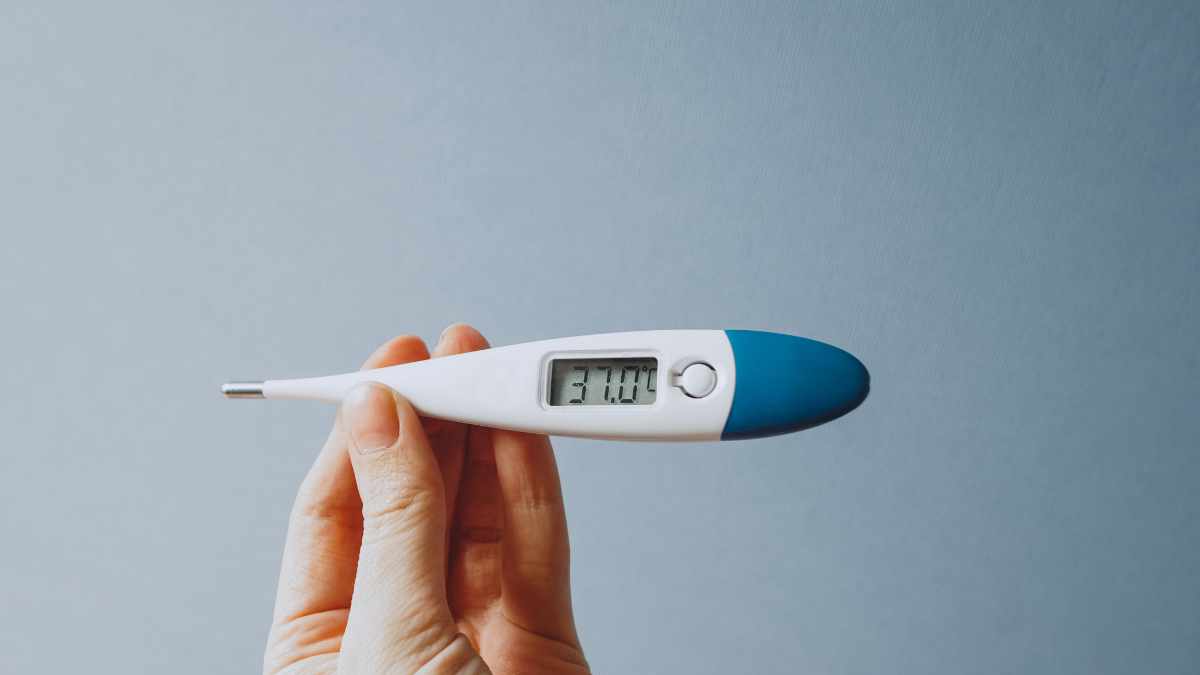

Introduction:
Understanding what constitutes a fever in children, particularly preteens, is essential for parents and caregivers. Body temperature can vary significantly among individuals and is influenced by various factors, including time of day, activity level, and even the method of measurement. This article aims to clarify whether a temperature of 99.9°F is considered a fever in a 12-year-old, exploring the nuances of pediatric body temperature and fever definitions.
Understanding Normal Body Temperature in Children
Normal body temperature for children typically ranges from 97°F to 100.4°F (36.1°C to 38°C). However, it’s crucial to note that this range can vary based on several factors, including age, activity, and the time of day. Generally, body temperature tends to be lower in the morning and higher in the late afternoon and evening. For preteens, a temperature of 98.6°F (37°C) is often cited as the average, but individual variations are common.
In children, body temperature can also be influenced by their environment. For instance, exposure to hot weather or vigorous physical activity can temporarily raise body temperature. Additionally, the method of measurement—oral, rectal, or axillary—can yield different readings. Rectal temperatures are usually the most accurate, while axillary (underarm) readings can be lower than core body temperatures.
Understanding these nuances is essential for interpreting temperature readings accurately. Parents should be aware that a single reading may not provide a complete picture of their child’s health. Therefore, it is advisable to take multiple readings at different times and under varying conditions to establish a more accurate baseline.
Finally, it is important to recognize that children, particularly preteens, may exhibit different temperature responses to illness than adults. Their immune systems are still developing, and they may not always present with typical symptoms when fighting off infections. This variability necessitates a careful approach to evaluating their health based on temperature readings.
Defining Fever: Medical Guidelines for Pediatric Patients
Medical guidelines generally define fever in children as a body temperature of 100.4°F (38°C) or higher. This threshold is established based on clinical research and is widely accepted in pediatric medicine. Fever is often a sign that the body is fighting off an infection, and it can be caused by various factors, including viral or bacterial infections, inflammatory conditions, and even certain medications.
For preteens, a temperature of 99.9°F does not meet the standard definition of fever but may still warrant attention. It is essential to consider the context in which the temperature is measured. If a child presents with other symptoms such as fatigue, irritability, or signs of infection, even a slightly elevated temperature could indicate an underlying issue that requires further investigation.
Moreover, the presence of fever can vary significantly among children based on their overall health and medical history. For instance, children with chronic health conditions may have different fever thresholds, and what is considered a mild fever for one child may be more concerning for another. Therefore, it is crucial to evaluate fever in the context of the child’s overall health and symptoms.
In summary, while a temperature of 99.9°F does not qualify as a fever according to medical guidelines, it is essential to monitor the child closely and consider other symptoms. If the child exhibits concerning signs or if the temperature rises, further medical evaluation may be necessary.
Evaluating the Significance of 99.9°F in Preteens
When assessing a temperature of 99.9°F in a 12-year-old, it is vital to consider the broader context of the child’s health. While this temperature is technically below the fever threshold, it may still indicate an early response to an infection or other health issues. Parents should observe the child for additional symptoms, such as cough, sore throat, or gastrointestinal disturbances, which could provide clues to the underlying cause.
Furthermore, the child’s activity level and overall demeanor can offer valuable insights. If the child is active, eating well, and engaging in normal activities, a temperature of 99.9°F may not be a cause for concern. However, if the child appears lethargic, irritable, or has a decreased appetite, these signs may suggest that the body is responding to an illness, even if the temperature remains below the fever threshold.
In some cases, a temperature of 99.9°F may be a normal variation for that individual child. Each child has their unique baseline temperature, and what is considered "normal" can differ. Therefore, parents should be familiar with their child’s typical temperature patterns to make informed decisions regarding their health.
Lastly, it is essential to remember that fever is just one piece of the puzzle. A comprehensive assessment of the child’s overall health, including their behavior, symptoms, and any recent exposures to illness, is crucial for determining the significance of a slightly elevated temperature.
Factors Influencing Fever Thresholds in Adolescents
Several factors can influence fever thresholds in preteens and adolescents. Age is a significant factor, as younger children generally have different immune responses compared to older children and teenagers. Hormonal changes during puberty can also affect body temperature regulation, making it essential to consider age-related factors when evaluating fever.
Environmental factors play a role as well. For instance, children who are active in sports or outdoor activities may experience temporary increases in body temperature due to exertion or heat exposure. In such cases, it is essential to differentiate between a physiological response to activity and a pathological fever caused by illness.
Additionally, underlying medical conditions can impact how a child responds to infections and fever. Children with chronic illnesses or weakened immune systems may exhibit different fever patterns, and their thresholds for concern may vary. Therefore, it is crucial to take into account any pre-existing health issues when evaluating a child’s temperature.
Lastly, medications can also influence fever responses. Some medications, such as antipyretics, can lower body temperature and mask fever symptoms. Parents should be aware of any medications their child is taking and consider how these might affect temperature readings.
When to Seek Medical Attention for Elevated Temperatures
Determining when to seek medical attention for elevated temperatures in children can be challenging. While a temperature of 99.9°F may not warrant immediate concern, parents should be vigilant for accompanying symptoms that could indicate a more serious condition. Symptoms such as persistent vomiting, severe headache, difficulty breathing, or rash should prompt immediate medical evaluation.
If a child has a temperature that persists for more than 24 hours without improvement, it is advisable to consult a healthcare professional. Additionally, if the child has a history of recurrent fevers or underlying health conditions, seeking medical advice sooner may be prudent.
Parents should also consider the child’s age when evaluating fever. For infants under three months, even a slight fever can be concerning and should be addressed by a healthcare provider. In older children, the threshold for concern may be higher, but any significant changes in behavior or health should not be ignored.
In summary, while a temperature of 99.9°F in a 12-year-old may not be classified as a fever, it is essential to consider the broader context of the child’s health. Monitoring symptoms, behavior, and overall well-being can help parents make informed decisions about when to seek medical attention.
Conclusions:
In conclusion, a temperature of 99.9°F in a 12-year-old is not classified as a fever according to medical guidelines. However, it is essential to interpret this reading in the context of the child’s overall health, behavior, and any accompanying symptoms. Parents should remain vigilant and consider seeking medical attention if the child exhibits concerning signs or if the temperature persists. Understanding the nuances of body temperature and fever in children can empower parents to make informed decisions about their child’s health.
Read more
-
American Academy of Pediatrics – Fever in Children
This resource provides comprehensive guidelines on fever management in children, including definitions and when to seek medical attention. -
Centers for Disease Control and Prevention – Fever in Children
The CDC offers valuable information on fever, its causes, and how to manage it in pediatric patients. -
Mayo Clinic – Fever in Children: Symptoms and Causes
This article outlines the symptoms and potential causes of fever in children, including guidelines for when to seek medical care. -
WebMD – Fever in Children: What Parents Need to Know
WebMD provides a parent-friendly overview of fever, including definitions, symptoms, and treatment options. -
KidsHealth – Fever: When to Call the Doctor
This resource from KidsHealth explains how to assess fever in children and offers advice on when to contact a healthcare provider.