

Se hai un abbonamento attivo ACCEDI QUI
Introduction:
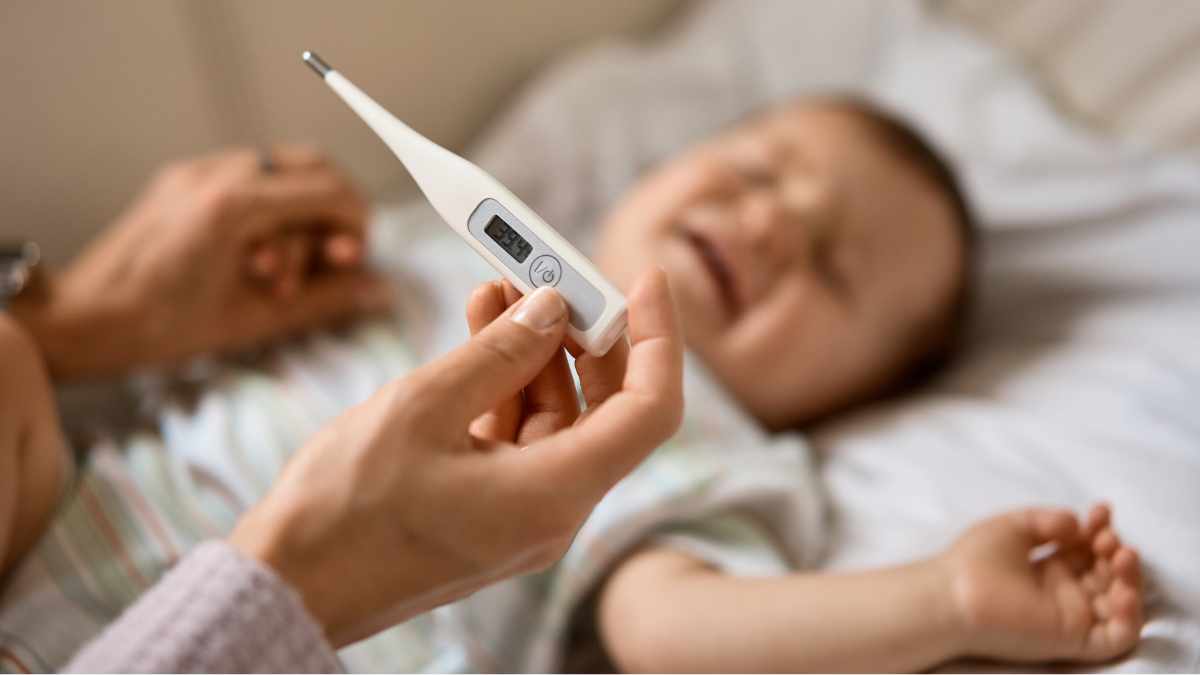
As parents, the health and well-being of our children are always a top priority. When it comes to school attendance, the decision can become particularly challenging, especially when faced with a situation where your child has a low-grade fever, such as a temperature of 99°F (37.2°C). Understanding how to navigate this scenario requires a comprehensive look at various factors, including normal temperature ranges, symptoms, school policies, and the balance between health and education. This article aims to provide a detailed analysis to help parents make informed decisions regarding sending their children to school under these circumstances.
Understanding Normal Temperature Ranges in Children
The normal body temperature for children typically ranges from 97°F to 100.4°F (36.1°C to 38°C). A temperature of 99°F falls within this range, categorizing it as a low-grade fever. It’s essential to recognize that children’s body temperatures can fluctuate throughout the day due to various factors, including activity level, time of day, and even clothing. Understanding these variations is crucial for parents when assessing their child’s health.
In many cases, a low-grade fever may not be a cause for alarm. It can be the body’s natural response to infection, signaling the immune system to fight off pathogens. However, parents should be aware that a fever can also indicate an underlying illness that may require further evaluation. It’s essential to consider the context of the fever, including any recent illnesses or exposure to contagious diseases.
Additionally, individual differences among children can affect how they respond to fever. Some children may exhibit mild symptoms, while others may feel significantly unwell even with a similar temperature. Therefore, assessing your child’s overall condition, rather than solely relying on the thermometer reading, is vital in making an informed decision about school attendance.
Finally, it’s important to note that while a 99°F temperature is generally not alarming, it can still be a sign of an underlying issue that may warrant further observation. Parents should monitor their child’s temperature regularly and take note of any changes or additional symptoms that may arise.
Evaluating Symptoms: When to Keep Your Child Home
When determining whether to send a child to school with a low-grade fever, evaluating accompanying symptoms is crucial. Symptoms such as coughing, vomiting, diarrhea, or lethargy can provide important clues about your child’s health status. If your child exhibits any of these symptoms alongside a fever, it may be prudent to keep them home to prevent further illness and to allow for recovery.
Moreover, some children may experience more subtle symptoms, such as irritability or decreased appetite, which can indicate they are not feeling well enough to participate in school activities. It’s essential to consider how your child typically behaves when they are healthy compared to their current state. If they seem unusually tired or unwell, it may be best to prioritize their health over school attendance.
In addition to physical symptoms, emotional and psychological factors should also be considered. If a child is anxious about attending school while feeling unwell, this can exacerbate their condition and hinder recovery. Parents should take into account their child’s emotional well-being when making this decision.
Ultimately, the goal should be to ensure that children are not only physically healthy but also emotionally ready to engage in their educational environment. If there is any doubt about their ability to participate fully, keeping them home may be the best option.
The Impact of Low-Grade Fever on School Performance
A low-grade fever can significantly impact a child’s ability to perform academically and socially at school. Even if a child is physically present, they may struggle to concentrate or engage in classroom activities due to discomfort or fatigue. This can lead to decreased participation, lower grades, and a lack of enthusiasm for learning.
Moreover, the social dynamics in a school setting can also be affected. Children who are not feeling well may withdraw from interactions with peers, leading to feelings of isolation or anxiety. This can further hinder their overall school experience and affect their emotional health.
It’s also worth noting that children with low-grade fevers may be more susceptible to distractions, which can disrupt their learning process. They may find it challenging to focus on lessons or complete assignments, resulting in a negative impact on their academic performance.
In the long run, sending a child to school while they are unwell may not only affect their immediate performance but can also lead to a cycle of missed learning opportunities. Prioritizing health can ultimately contribute to better educational outcomes in the long term.
Guidelines from Health Authorities on School Attendance
Health authorities, including the Centers for Disease Control and Prevention (CDC) and the American Academy of Pediatrics (AAP), provide guidelines for parents regarding school attendance during illness. These guidelines emphasize the importance of assessing not only the child’s temperature but also their overall well-being and ability to participate in school activities.
According to these guidelines, children should stay home if they exhibit a fever of 100.4°F (38°C) or higher, or if they have other symptoms that may be contagious or debilitating. However, for a low-grade fever of 99°F, the decision should be based on the child’s overall condition and any accompanying symptoms.
Additionally, these health authorities recommend that parents communicate openly with schools about illness policies. Schools often have specific guidelines regarding when children should stay home, and being informed can help parents make better decisions for their children.
Ultimately, following the advice of health authorities can help parents navigate the complexities of school attendance during illness, ensuring that children receive the care they need while also considering their educational responsibilities.
Communicating with Schools About Illness Policies
Effective communication with schools regarding illness policies is essential for parents. Each school may have its own set of guidelines that dictate when a child should stay home due to illness. Understanding these policies can help parents make informed decisions about their child’s attendance.
Parents should proactively reach out to school administrators or health staff to clarify any uncertainties regarding the school’s illness policy. This includes understanding the criteria for excused absences and any requirements for returning to school after an illness. Clear communication can help prevent misunderstandings and ensure that both parents and schools are on the same page regarding health matters.
Furthermore, schools often appreciate when parents keep them informed about their child’s health status. If a child is experiencing a low-grade fever, notifying the school can help them monitor any potential outbreaks of illness and take necessary precautions to protect other students.
In some cases, schools may provide resources or support for families dealing with illness, including access to educational materials or assignments that can be completed at home. Engaging in open dialogue can foster a collaborative approach to managing health and education.
Making Informed Decisions: Balancing Health and Education
Finding the right balance between health and education is a nuanced process that requires careful consideration. While education is crucial for a child’s development, prioritizing health is equally important. Parents must weigh the potential risks of sending a child to school with a low-grade fever against the benefits of maintaining their educational routine.
In making this decision, parents should consider the long-term implications of their choice. Sending a child to school while they are not feeling well may lead to further complications, both in terms of their health and their academic performance. Conversely, keeping them home may provide the necessary time for recovery, allowing them to return to school ready to learn and engage fully.
Additionally, parents should reflect on the potential impact on their child’s social interactions. Being unwell can affect a child’s ability to connect with peers, which is an essential aspect of their school experience. Balancing these factors requires thoughtful consideration and an understanding of the unique needs of each child.
Ultimately, the decision should be guided by the principle of ensuring that children are healthy, both physically and emotionally, before returning to the classroom. By prioritizing health, parents can help foster a positive educational experience for their children.
Conclusions:
Deciding whether to send a child to school with a low-grade fever, such as 99°F, involves careful consideration of various factors, including symptoms, school policies, and the child’s overall well-being. Parents should prioritize health while also recognizing the importance of education. By staying informed and communicating effectively with schools, parents can navigate these challenging situations and make decisions that support their child’s health and educational success.
Read more
-
Centers for Disease Control and Prevention (CDC) – When to Stay Home: This resource provides guidelines for parents on when to keep children home from school due to illness, including specific temperature thresholds and symptoms.
-
American Academy of Pediatrics (AAP) – Healthy Children: This article outlines the signs and symptoms that may warrant keeping a child home from school, along with practical advice for parents.
-
Mayo Clinic – Fever in Children: A comprehensive overview of fever in children, including causes, symptoms, and when to seek medical attention.
-
National Association of School Nurses – School Attendance: This resource discusses the importance of school attendance and provides guidelines for managing illness in the school setting.
-
KidsHealth – When to Keep Your Child Home from School: This article offers insights on recognizing when a child is too sick to attend school, emphasizing the importance of balancing health and education.