

Se hai un abbonamento attivo ACCEDI QUI
Introduction:
When faced with a low-grade fever, such as a temperature of 99.7°F, many individuals find themselves questioning whether they should stay home or return to their daily responsibilities. Understanding the implications of this mild fever is crucial for making an informed decision. This article delves into the nature of fever, the significance of accompanying symptoms, the potential impact on daily activities, effective home care strategies, contagion risks, and ultimately, how to decide whether to stay home or return to work.
Understanding Fever: What Does a 99.7°F Temperature Indicate?
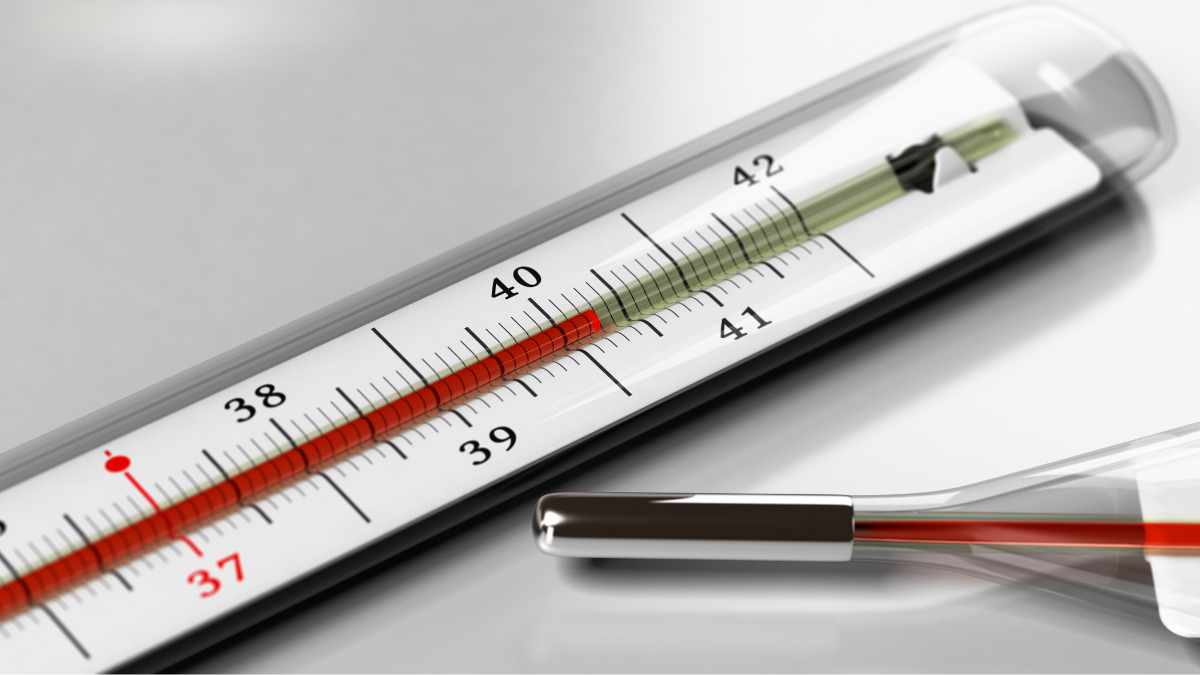
Fever is a natural response of the body to infection or illness, often serving as a sign that the immune system is actively fighting off pathogens. A temperature of 99.7°F is considered a low-grade fever, typically ranging from 99°F to 100.4°F. This slight elevation in body temperature can be caused by various factors, including viral infections, bacterial infections, inflammatory conditions, or even stress. It is essential to recognize that while a fever can indicate an underlying health issue, a low-grade fever is not always a cause for alarm.
In many cases, a low-grade fever can be a normal physiological response, especially if accompanied by mild symptoms such as fatigue or a slight headache. The body’s temperature regulation is complex, and various factors can influence it, including the time of day, physical activity, and hormonal changes. Therefore, understanding the context of the fever is vital. For instance, if the fever occurs after physical exertion or during the evening hours, it may not necessarily indicate an illness.
When evaluating a fever, it is also important to consider individual health conditions. For instance, individuals with compromised immune systems or chronic illnesses may experience different implications from a low-grade fever compared to healthy individuals. In such cases, even a slight increase in temperature can warrant closer monitoring and potentially more significant concern.
Ultimately, a 99.7°F temperature should be viewed as a signal from the body, prompting further assessment of overall health and accompanying symptoms. It is crucial to consider the broader context, including recent activities, exposure to illness, and personal health history.
Assessing Symptoms: When to Seek Medical Attention for Fever
While a low-grade fever often does not necessitate medical intervention, it is essential to assess accompanying symptoms to determine if further action is required. Symptoms such as persistent headache, severe fatigue, difficulty breathing, or chest pain should prompt immediate medical attention. Additionally, if the fever persists for more than a few days or worsens, it may indicate a more serious underlying condition that requires evaluation by a healthcare professional.
In children, the assessment of fever can be particularly nuanced. Parents should be vigilant for signs of distress, irritability, or lethargy, as these may indicate that the child is unwell and may require medical evaluation. The threshold for seeking medical attention may be lower for infants and young children, as their immune systems are still developing and they are at a higher risk for complications from infections.
For adults, the presence of additional symptoms such as rash, persistent vomiting, or changes in mental status should be taken seriously. These symptoms can indicate a more severe illness, such as meningitis or sepsis, and warrant immediate medical care. Therefore, it is essential to monitor the situation closely and err on the side of caution.
In summary, while a 99.7°F fever may not seem alarming, the presence of additional symptoms can significantly alter the situation. Regularly evaluating one’s health status and being aware of any changes can help in making timely decisions regarding medical care.
The Impact of Fever on Daily Activities and Responsibilities
A low-grade fever can have varying effects on an individual’s ability to perform daily activities and fulfill responsibilities. Many people may find that they can continue with their routine, albeit at a reduced capacity. However, it is essential to recognize that even mild symptoms can affect concentration, energy levels, and overall productivity. This can lead to decreased performance at work or school, making it challenging to meet obligations effectively.
Moreover, the psychological impact of having a fever should not be overlooked. The awareness of being unwell can create anxiety or stress, which may further exacerbate feelings of fatigue or discomfort. In some cases, individuals may feel compelled to push through their symptoms, leading to burnout or prolonged recovery times. It is crucial to listen to one’s body and recognize when rest is necessary to facilitate healing.
Another consideration is the potential impact on colleagues, classmates, or family members. If an individual is contagious, even with a low-grade fever, they may inadvertently spread illness to others. This can lead to increased absenteeism and disruptions in both personal and professional environments. Therefore, assessing the potential impact of one’s condition on others is an important factor in the decision to stay home.
Ultimately, the decision to remain at home or return to daily activities should take into account not only personal health but also the broader implications for others. Prioritizing health and well-being can lead to a quicker recovery and a more effective return to routine.
Home Care Strategies for Managing Low-Grade Fever Symptoms
Managing a low-grade fever at home can often be accomplished with simple strategies aimed at promoting comfort and recovery. Staying hydrated is crucial, as fever can lead to dehydration. Drinking plenty of fluids, such as water, herbal teas, and broths, can help maintain hydration levels and support the body’s healing processes. Additionally, consuming light, nutritious foods can provide the necessary energy and nutrients to aid recovery.
Rest is another essential component of home care. Allowing the body to recuperate by getting adequate sleep and minimizing physical exertion can significantly enhance recovery. Creating a comfortable environment, such as adjusting room temperature and using lightweight bedding, can also contribute to better rest and comfort during illness.
Over-the-counter medications, such as acetaminophen or ibuprofen, can be used to alleviate discomfort associated with fever. These medications can help reduce fever and relieve accompanying symptoms like headache or body aches. However, it is important to follow dosage instructions carefully and consult a healthcare professional if there are any concerns about medication interactions or underlying health conditions.
Lastly, monitoring the fever and any accompanying symptoms is vital. Keeping a record of temperature readings and any changes in symptoms can provide valuable information for healthcare providers if further evaluation is needed. By implementing these home care strategies, individuals can effectively manage a low-grade fever and support their recovery.
Evaluating Risks: Contagion Potential with a 99.7°F Fever
Understanding the contagion potential associated with a low-grade fever is essential for making informed decisions about staying home or returning to work. A fever itself is not a direct indicator of contagiousness; rather, it is often a symptom of an underlying infection that may be contagious. Common viral infections, such as the flu or common cold, can present with a low-grade fever and are typically transmitted through respiratory droplets.
Individuals with a 99.7°F fever should consider their symptoms and the nature of any underlying illness. If the fever is accompanied by respiratory symptoms, such as coughing or sneezing, there is a higher likelihood of being contagious. In such cases, it is advisable to stay home to prevent spreading illness to others.
Moreover, the duration of contagion can vary depending on the specific illness. For example, individuals with viral infections may be contagious for several days before and after the onset of symptoms. Therefore, it is essential to be aware of the potential risks to others and take appropriate precautions, such as practicing good hygiene and avoiding close contact with others.
In conclusion, evaluating the risks associated with a 99.7°F fever involves considering both personal health and the potential impact on others. Taking proactive measures to prevent contagion can contribute to the health and safety of the community.
Making an Informed Decision: Stay Home or Return to Work?
Deciding whether to stay home or return to work with a low-grade fever requires careful consideration of various factors. First and foremost, individuals should assess their overall health and the presence of accompanying symptoms. If the fever is mild and there are no significant symptoms, it may be reasonable to return to work, provided that one feels capable of performing their duties.
However, if there are any doubts about one’s ability to contribute effectively or if there are concerns about being contagious, it is prudent to err on the side of caution and stay home. Taking time to rest and recover can prevent further complications and promote a quicker return to full health. Additionally, communicating with employers or colleagues about one’s health status can foster understanding and support during the recovery process.
Another consideration is workplace policies regarding illness. Many organizations have guidelines in place that encourage employees to stay home when experiencing symptoms of illness, particularly during flu season or in light of recent public health concerns. Familiarizing oneself with these policies can provide clarity on expectations and responsibilities.
Ultimately, making an informed decision involves weighing personal health, the potential impact on others, and workplace policies. By prioritizing health and well-being, individuals can contribute to a healthier work environment and ensure a more effective recovery.
Conclusions:
In conclusion, a 99.7°F fever can present a complex decision-making scenario regarding whether to stay home or return to work. By understanding the nature of fever, assessing symptoms, considering the impact on daily activities, implementing effective home care strategies, evaluating contagion risks, and making informed decisions, individuals can navigate this situation with greater clarity. Prioritizing health and well-being not only benefits the individual but also contributes to the overall health of the community.
Read more
- Mayo Clinic – Fever – A comprehensive overview of fever, including causes, symptoms, and treatment options.
- CDC – When to Seek Medical Attention – Guidelines on when to seek medical attention for flu-like symptoms, including fever.
- WebMD – Fever in Adults – An informative article discussing fever in adults, its causes, and management strategies.
- Healthline – Home Remedies for Fever – A resource outlining effective home care strategies for managing fever symptoms.
- NIH – Understanding Fever – A detailed exploration of fever, its physiological role, and implications for health.