

Introduction:
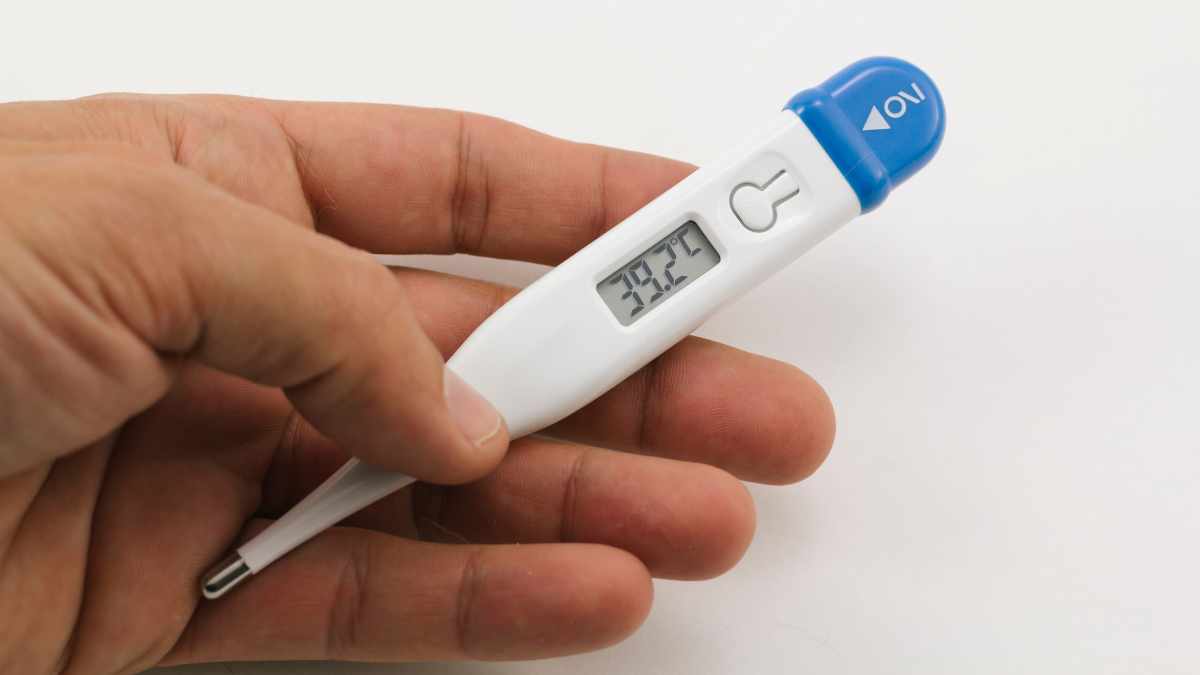
Fever is a common physiological response that often signals an underlying health issue. It is characterized by an elevation in body temperature, typically above the normal range of 36.1°C to 37.2°C (97°F to 99°F). While many people associate fever solely with infections, its causes are diverse, encompassing a wide range of medical conditions. Understanding the mechanisms behind fever, its triggers, and its implications can provide valuable insights into health management and disease prevention.
Understanding Fever: Definition and Clinical Significance
Fever is defined as a temporary increase in body temperature, often due to an illness. It is a symptom rather than a disease itself and can serve as a crucial indicator of health status. Clinically, fever is significant because it can help healthcare providers identify the presence of infection or inflammation in the body. The degree and duration of fever can also provide clues about the underlying condition, guiding diagnostic and therapeutic decisions.
In adults, a fever is generally recognized when the body temperature exceeds 38°C (100.4°F). In children, the threshold can be slightly different, with pediatric guidelines suggesting that a temperature of 38°C or higher is considered a fever. Monitoring fever patterns can also assist in assessing the effectiveness of treatment interventions, making it an essential parameter in clinical practice.
Fever can elicit various physiological responses, including increased heart rate and metabolic rate, which can help the body fight off infections. Understanding fever’s clinical significance allows healthcare professionals to prioritize patient care and tailor treatment strategies effectively.
Despite its potential benefits, fever can also lead to discomfort and complications, especially in vulnerable populations such as infants, the elderly, or those with pre-existing health conditions. Thus, recognizing when fever is a benign response versus a sign of a more serious issue is critical for effective health management.
The Role of the Immune System in Fever Response
The immune system plays a pivotal role in the development of fever. When pathogens invade the body, the immune system activates a series of responses to combat the threat. One of the primary responses involves the release of cytokines, which are signaling molecules that communicate between immune cells. These cytokines can induce fever by acting on the hypothalamus, the brain region responsible for regulating body temperature.
Cytokines such as interleukin-1 (IL-1), interleukin-6 (IL-6), and tumor necrosis factor-alpha (TNF-α) are particularly important in this process. They signal the hypothalamus to raise the body’s temperature set point, leading to an increase in body temperature. This elevation in temperature can enhance the activity of immune cells and inhibit the growth of certain pathogens, effectively creating an environment less conducive to infection.
Additionally, fever can stimulate the production of heat shock proteins, which help protect cells from stress and damage during infection. This adaptive response not only aids in fighting off pathogens but also promotes tissue repair and recovery.
However, while fever is a protective mechanism, it can also have adverse effects if it becomes excessively high or prolonged. Understanding the immune system’s role in fever can help healthcare providers assess the severity of illness and determine appropriate interventions.
Common Infectious Agents That Induce Fever
Fever is most commonly associated with infectious diseases, which can be caused by a variety of pathogens. Bacterial infections are among the leading causes of fever, with common examples including pneumonia, urinary tract infections, and meningitis. These infections often trigger a robust immune response, resulting in elevated body temperature as the body attempts to eliminate the invading bacteria.
Viral infections are another significant contributor to fever. Viruses such as influenza, COVID-19, and the common cold can induce fever as part of the body’s immune response. In many cases, fever associated with viral infections may be accompanied by other symptoms such as fatigue, cough, and body aches.
Fungal infections can also lead to fever, particularly in immunocompromised individuals. Conditions such as candidiasis and aspergillosis can provoke a fever response as the body attempts to fight off the fungal invasion.
In addition to these common infectious agents, fever can also be a symptom of more severe diseases, such as sepsis, where the body has a systemic response to infection. Recognizing the infectious agents that induce fever is crucial for timely diagnosis and treatment, as different pathogens may require specific therapeutic approaches.
Non-Infectious Causes of Fever: A Comprehensive Overview
While fever is often associated with infections, numerous non-infectious causes can also lead to elevated body temperature. Autoimmune diseases, such as rheumatoid arthritis and lupus, can trigger fever as a result of inflammation caused by the immune system attacking the body’s tissues. In these cases, fever may be persistent and accompanied by other systemic symptoms.
Malignancies, including various types of cancer, can also present with fever. Fever of unknown origin (FUO) is a term used to describe prolonged fever without an identifiable cause, which can sometimes be linked to malignancies or other serious conditions. This underscores the importance of thorough evaluation in patients presenting with unexplained fever.
Medications can also induce fever as a side effect, a phenomenon known as drug fever. Common culprits include antibiotics, anticonvulsants, and certain anti-inflammatory medications. In these instances, the fever typically resolves once the offending medication is discontinued.
Other non-infectious causes of fever include heat exhaustion, dehydration, and certain endocrine disorders, such as hyperthyroidism. Recognizing these non-infectious triggers is essential for accurate diagnosis and appropriate management, particularly in cases where infection is not the underlying cause of fever.
Mechanisms of Fever: Pyrogens and Their Pathways
The mechanisms behind fever involve complex interactions between pyrogens and the body’s thermoregulatory center. Pyrogens are substances that induce fever, and they can be classified into two main categories: exogenous and endogenous. Exogenous pyrogens are typically derived from infectious agents, such as bacterial toxins, while endogenous pyrogens are produced by the body in response to infection or inflammation.
When exogenous pyrogens enter the body, they stimulate immune cells to release endogenous pyrogens, such as IL-1 and TNF-α. These endogenous pyrogens then act on the hypothalamus, leading to an increase in the body’s temperature set point. This process involves the synthesis of prostaglandins, particularly prostaglandin E2 (PGE2), which plays a crucial role in resetting the hypothalamic thermostat.
The elevation in body temperature is achieved through various mechanisms, including increased heat production through muscle contractions and shivering, as well as reduced heat loss by constricting blood vessels in the skin. This coordinated response helps the body maintain a higher temperature, creating an environment that is less favorable for pathogens.
Understanding the pathways and mechanisms of fever is essential for developing targeted therapies that can modulate the fever response when necessary. In some cases, antipyretic medications, such as acetaminophen or ibuprofen, may be used to lower fever and alleviate discomfort while the underlying cause is addressed.
When to Seek Medical Attention for Persistent Fever
While fever is often a benign and self-limiting condition, certain circumstances warrant medical attention. Persistent fever, defined as a fever lasting more than three days or recurring despite treatment, can indicate a more serious underlying condition. In such cases, it is essential to seek medical evaluation to determine the cause and initiate appropriate management.
In infants, especially those younger than three months, any fever should be taken seriously. Fever in this age group can be a sign of serious infections, and immediate medical attention is recommended. Similarly, in adults, fever accompanied by severe headache, stiff neck, rash, difficulty breathing, or persistent vomiting should prompt an urgent evaluation.
Individuals with compromised immune systems, such as those undergoing chemotherapy or living with HIV/AIDS, should also seek medical care for fever, as they may be at increased risk for severe infections. Recognizing the signs that necessitate medical attention can significantly impact outcomes and ensure timely intervention.
In summary, while fever is a common response to various stimuli, understanding when to seek help is crucial for effective health management. Healthcare providers can guide patients through the evaluation process, ensuring that serious conditions are identified and treated promptly.
Conclusions:
Fever is a multifaceted physiological response that serves as a critical indicator of health status. Understanding its causes, mechanisms, and clinical significance is essential for effective diagnosis and management. Whether arising from infectious agents or non-infectious conditions, recognizing the nuances of fever can empower individuals to seek timely medical attention when necessary. As our understanding of fever continues to evolve, it remains a vital aspect of clinical practice and patient care.
Read more:
- Mayo Clinic – Fever: A comprehensive overview of fever, its causes, and when to seek medical attention.
- Cleveland Clinic – Fever: Detailed information on fever, including symptoms, diagnosis, and treatment options.
- World Health Organization – Fever: A fact sheet from the WHO that discusses fever in the context of global health.
- National Institutes of Health – Fever: An in-depth exploration of fever mechanisms and clinical implications from the NIH.
- American Academy of Pediatrics – Fever in Children: Guidelines on managing fever in children, including when to seek medical care.