

Introduction:
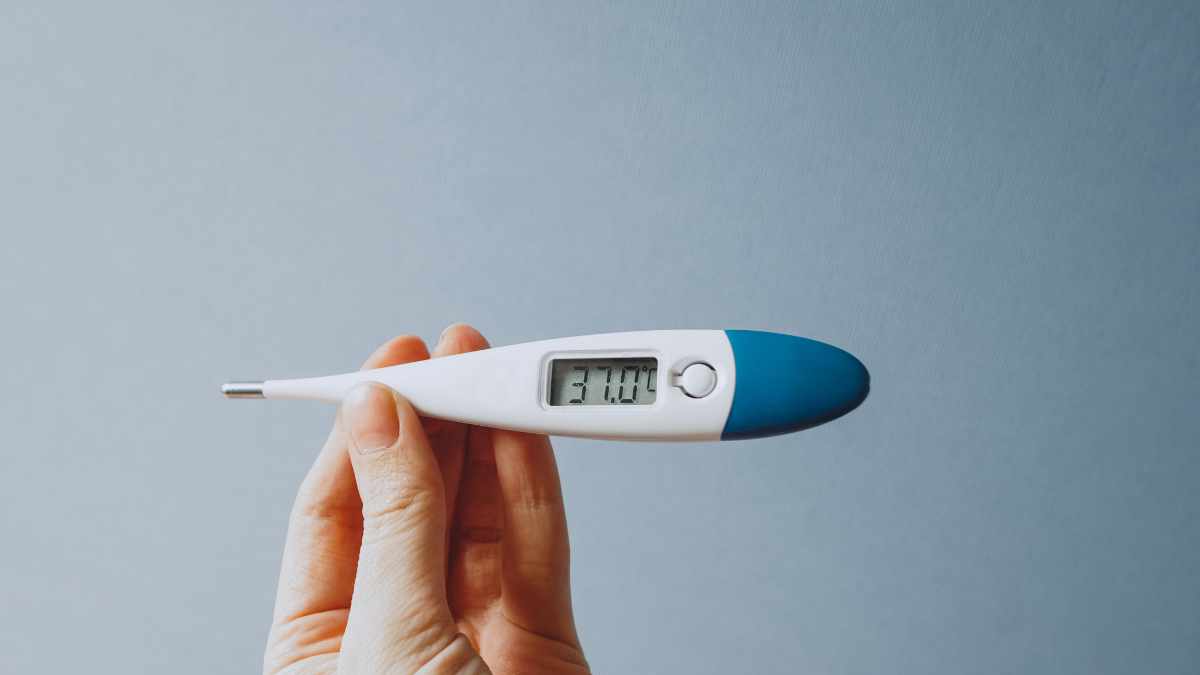
In the realm of human health, temperature regulation is a critical physiological process. The body maintains a core temperature around 37°C (98.6°F), but when this temperature rises significantly, it can lead to serious health issues. Understanding what constitutes a dangerously high temperature is essential for recognizing and responding to potential health crises. This article delves into the physiological implications of elevated body temperatures, defines critical thresholds, explores common causes, examines associated health risks, and discusses preventative measures and emergency responses.
Understanding the Concept of Dangerously High Temperatures
Dangerously high temperatures refer to body temperatures that exceed the normal physiological range, leading to potential harm. The human body has a remarkable ability to regulate its temperature through mechanisms such as sweating and increased blood flow to the skin. However, when external temperatures rise or the body generates excessive heat, these mechanisms can become overwhelmed. Hyperthermia, defined as an abnormally high body temperature due to failed thermoregulation, is a primary concern.
The body’s temperature can rise due to various factors, including environmental conditions, physical exertion, and certain medical conditions. When the internal temperature exceeds 38°C (100.4°F), it may indicate a fever, but when it surpasses 40°C (104°F), the situation becomes critical. Understanding these thresholds is vital for timely intervention, as prolonged exposure to high temperatures can lead to severe health consequences.
In clinical settings, the term "dangerously high temperature" often refers to readings that indicate a potential for heat-related illnesses. Recognizing the signs of elevated body temperature and understanding the underlying mechanisms is crucial for both healthcare professionals and the general public. Awareness can facilitate early detection and intervention, potentially saving lives.
Moreover, the perception of what constitutes a dangerously high temperature can vary based on individual factors such as age, health status, and acclimatization to heat. For instance, elderly individuals and those with chronic illnesses may experience adverse effects at lower temperatures compared to healthy adults. Thus, a comprehensive understanding of individual risk factors is essential in assessing the danger posed by elevated body temperatures.
Physiological Responses to Elevated Body Temperatures
When the body temperature rises, several physiological responses are triggered to restore homeostasis. The hypothalamus, a region in the brain responsible for temperature regulation, initiates mechanisms to dissipate heat. Sweating is one of the primary responses, where sweat glands release moisture onto the skin’s surface, which cools the body as it evaporates. Increased heart rate and blood flow to the skin also help to facilitate heat loss.
In addition to sweating, the body may experience changes in metabolic processes. Metabolic rate can increase, leading to further heat production, which can exacerbate the situation if the body cannot effectively cool down. This cycle can create a feedback loop where the body’s attempts to regulate temperature become increasingly ineffective.
As body temperature continues to rise, more severe physiological responses may occur. Symptoms such as dizziness, confusion, and nausea can manifest, indicating that the body is struggling to cope with the elevated temperature. These symptoms are often precursors to more serious conditions, such as heat exhaustion or heat stroke, which require immediate medical attention.
Understanding these physiological responses is critical for recognizing when someone may be in danger due to high temperatures. Education on the signs and symptoms of heat-related illnesses can empower individuals to take proactive measures to protect themselves and others, particularly during hot weather or strenuous activities.
Defining Thresholds: When Temperature Becomes Critical
Defining critical temperature thresholds is essential for identifying when a person is at risk of severe health consequences. Generally, body temperatures above 38°C (100.4°F) indicate a mild fever, while temperatures exceeding 39.4°C (103°F) are considered high fever. However, temperatures reaching or exceeding 40°C (104°F) are particularly concerning and can lead to life-threatening conditions.
At 40°C, the risk of heat-related illnesses significantly increases. Heat exhaustion can develop, characterized by symptoms such as heavy sweating, weakness, and fainting. If not addressed, heat exhaustion can progress to heat stroke, a more severe condition where the body’s temperature regulation fails entirely. Heat stroke is a medical emergency that can result in organ failure and death if not treated promptly.
It is also important to consider individual variability when defining critical thresholds. Factors such as age, fitness level, and pre-existing medical conditions can influence how a person’s body responds to heat. For instance, children and the elderly are particularly vulnerable to heat-related illnesses, often experiencing adverse effects at lower temperatures than healthy adults. Thus, personalized assessments are crucial in determining risk levels.
Healthcare professionals often utilize specific guidelines to assess risk and determine appropriate interventions. For example, the National Weather Service provides heat index values, which combine temperature and humidity to give a more accurate representation of heat stress. Understanding these guidelines can help individuals make informed decisions about their activities during extreme heat conditions.
Common Causes of Dangerously High Body Temperatures
Several factors can lead to dangerously high body temperatures, with environmental conditions being a primary contributor. Extreme heat waves, high humidity, and prolonged exposure to sunlight can overwhelm the body’s ability to cool itself. In such scenarios, individuals engaging in outdoor activities or labor-intensive work are at heightened risk.
Another common cause is vigorous physical activity, particularly in hot and humid conditions. Athletes and individuals participating in strenuous exercise need to be particularly cautious, as the combination of increased metabolic heat production and environmental heat can lead to rapid temperature elevation. Proper hydration and acclimatization are critical in mitigating these risks.
Certain medical conditions can also predispose individuals to dangerously high temperatures. For example, individuals with hyperthyroidism may experience increased metabolic rates, leading to elevated body temperatures. Additionally, medications that affect thermoregulation, such as certain antipsychotics or diuretics, can increase the risk of hyperthermia.
Finally, age plays a significant role in susceptibility to high temperatures. Elderly individuals often have diminished physiological responses to heat, making them more vulnerable to heat-related illnesses. Similarly, infants and young children are less capable of regulating their body temperature effectively, necessitating vigilant monitoring during hot weather.
Health Risks Associated with Hyperthermia and Heat Stroke
The health risks associated with hyperthermia are profound and can escalate rapidly. Heat exhaustion is often the first stage of heat-related illness, characterized by heavy sweating, weakness, and confusion. If left untreated, it can progress to heat stroke, which is a life-threatening condition requiring immediate medical intervention.
Heat stroke occurs when the body temperature exceeds 40°C (104°F) and the thermoregulatory system fails. Symptoms include altered mental status, seizures, and loss of consciousness. The risk of organ damage increases significantly at this stage, as elevated temperatures can lead to cellular breakdown and dysfunction in vital organs such as the brain, heart, and kidneys.
Additionally, prolonged exposure to high temperatures can result in rhabdomyolysis, a condition where muscle tissue breaks down, releasing harmful substances into the bloodstream. This can lead to kidney failure and other severe complications. Understanding these risks underscores the importance of timely recognition and intervention to prevent long-term health consequences.
Moreover, the psychological effects of hyperthermia should not be overlooked. Cognitive impairment, confusion, and irritability can occur as the body struggles to cope with elevated temperatures. These symptoms can impair judgment and decision-making, increasing the likelihood of dangerous situations, particularly in outdoor settings.
Preventative Measures and Emergency Responses to High Heat
Preventative measures are crucial in mitigating the risks associated with dangerously high temperatures. Staying hydrated is one of the most effective strategies; individuals should drink water regularly, even if they do not feel thirsty. It is also advisable to avoid alcohol and caffeine, as these can contribute to dehydration.
Wearing appropriate clothing is another essential preventive measure. Lightweight, loose-fitting, and light-colored clothing can help reflect sunlight and allow for better air circulation, reducing the risk of overheating. Additionally, seeking shade or air-conditioned environments during peak heat hours can significantly lower the risk of heat-related illnesses.
Public awareness campaigns can play a pivotal role in educating communities about the dangers of high temperatures. Information on recognizing symptoms of heat-related illnesses and the importance of early intervention can empower individuals to take action when necessary. Schools, workplaces, and community organizations can implement programs to promote heat safety.
In the event of a heat-related emergency, immediate action is critical. Moving the affected individual to a cooler environment, removing excess clothing, and applying cool water to the skin can help lower body temperature. If symptoms such as confusion or loss of consciousness occur, it is essential to call emergency services promptly, as these may indicate heat stroke.
Conclusions:
Understanding dangerously high temperatures is vital for preserving health and preventing heat-related illnesses. By recognizing physiological responses, defining critical thresholds, and identifying common causes, individuals can take proactive measures to protect themselves and others. Awareness of the associated health risks and appropriate preventative strategies can significantly reduce the likelihood of severe consequences. Ultimately, education and timely intervention are key to navigating the challenges posed by elevated body temperatures.
Read more
- CDC – Extreme Heat – A comprehensive guide from the Centers for Disease Control and Prevention on recognizing and responding to extreme heat conditions.
- Mayo Clinic – Heat Stroke – Detailed information about the symptoms, causes, and treatments for heat stroke.
- NIH – Hyperthermia – An in-depth resource from the National Institutes of Health discussing hyperthermia and its health implications.
- WHO – Heatwaves – World Health Organization’s insights on heatwaves and their impact on health.
- National Weather Service – Heat Index – A tool for calculating the heat index, which combines temperature and humidity to assess heat stress.