

Introduction:
A mild fever is often regarded as a common physiological response to various stimuli, particularly infections. While it is generally not a cause for alarm, understanding its definition, mechanisms, causes, symptoms, diagnostic approaches, and management strategies is crucial for both patients and healthcare providers. This article aims to provide a comprehensive overview of mild fever, focusing on its implications in adult populations.
Understanding the Definition of Mild Fever in Adults
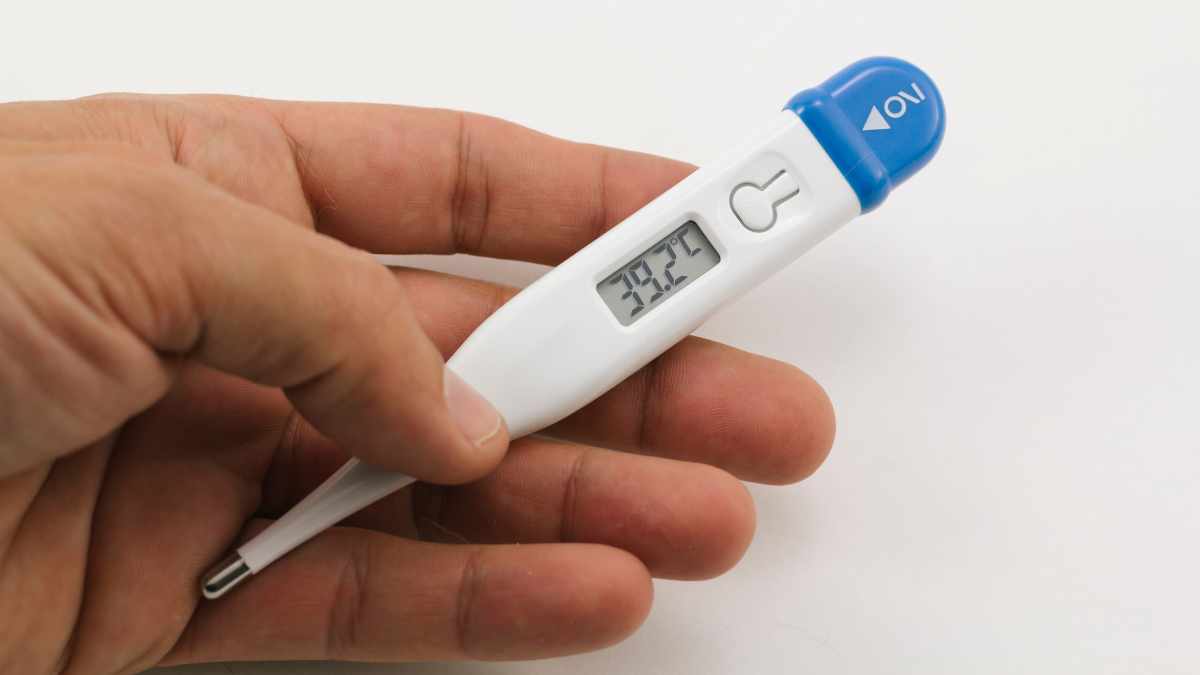
Mild fever is typically defined as a body temperature that ranges from 37.5°C to 38.3°C (99.5°F to 100.9°F). This temperature range signifies a slight elevation above the normal body temperature, which is generally around 37°C (98.6°F). It is important to note that body temperature can vary throughout the day and can be influenced by factors such as physical activity, time of day, and hormonal changes. Therefore, what constitutes a mild fever may vary slightly among individuals.
In adults, mild fever is often a sign that the body is responding to an underlying condition, such as an infection or inflammation. It is a natural defense mechanism that helps the body fight off pathogens. Unlike high fevers, which can lead to more serious complications, mild fevers are usually self-limiting and resolve as the underlying cause is addressed.
Understanding the context in which a mild fever occurs is essential. For instance, a mild fever following a vaccination is typically a normal response, indicating that the immune system is reacting appropriately. Conversely, a mild fever that persists without an identifiable cause may warrant further investigation.
In clinical practice, the definition of mild fever can also vary based on the patient’s age, health status, and medical history. Therefore, healthcare providers often consider these factors when evaluating a patient’s condition.
Physiological Mechanisms Behind Mild Fever Responses
The physiological mechanisms that lead to a mild fever primarily involve the hypothalamus, the part of the brain responsible for regulating body temperature. When the body detects the presence of pathogens, immune cells release pyrogens, which are substances that induce fever. These pyrogens can be either endogenous (produced by the body) or exogenous (derived from external sources like bacteria).
Once pyrogens enter the bloodstream, they signal the hypothalamus to raise the body’s temperature set point. This increase in temperature can enhance the activity of immune cells, thereby improving the body’s ability to combat infections. Additionally, a higher body temperature can create an environment that is less favorable for the growth of pathogens.
The mild fever response is generally accompanied by other physiological changes, such as increased heart rate and metabolic rate. These changes are part of the body’s effort to mobilize resources to fight off the infection. While a mild fever can be beneficial, it is essential to monitor it, as prolonged elevation in body temperature can lead to discomfort and other complications.
Moreover, the effectiveness of the immune response may vary among individuals. Factors such as age, nutritional status, and pre-existing health conditions can influence how the body responds to fever. Understanding these mechanisms is crucial for both patients and healthcare providers in managing mild fever effectively.
Common Causes and Triggers of Mild Fever Episodes
Mild fever can arise from a variety of causes, with infections being the most common trigger. Viral infections, such as the common cold or influenza, often lead to mild fever as the body mounts an immune response. Bacterial infections, although typically associated with higher fevers, can also present with mild fever, especially in the early stages.
In addition to infections, other triggers can include inflammatory conditions such as rheumatoid arthritis or inflammatory bowel disease. These conditions can lead to the release of pyrogens, resulting in a mild fever as part of the inflammatory response. Allergic reactions and certain medications, particularly antibiotics, can also induce mild fever as a side effect.
Environmental factors can play a role in triggering mild fever as well. For instance, exposure to extreme temperatures, such as heat exhaustion, can lead to a mild fever. Similarly, stress and fatigue can contribute to the onset of mild fever, as they can affect the immune system’s efficiency.
It is important to note that mild fever can sometimes be a symptom of more serious underlying conditions, such as malignancies or autoimmune disorders. Therefore, a thorough assessment of the patient’s history and symptoms is essential to determine the cause of the fever.
Symptoms Associated with Mild Fever: A Clinical Overview
While the primary symptom of mild fever is an elevated body temperature, it is often accompanied by other clinical manifestations. Common symptoms may include chills, sweating, and headaches. Patients may also experience general malaise, fatigue, and a decreased appetite. These symptoms can vary in intensity and duration, depending on the underlying cause of the fever.
In some cases, mild fever may be associated with respiratory symptoms, such as a cough or sore throat, particularly if the fever is due to a viral infection. Gastrointestinal symptoms, including nausea or diarrhea, may also accompany a mild fever, especially in cases of gastroenteritis.
It is essential to differentiate between mild fever and other more severe symptoms that may indicate a serious condition. Symptoms such as persistent vomiting, severe headache, stiff neck, or difficulty breathing should prompt immediate medical evaluation.
Understanding the full spectrum of symptoms associated with mild fever can aid healthcare providers in making an accurate diagnosis and determining the appropriate course of action. Patient education regarding these symptoms is also vital for early detection and intervention.
Diagnostic Approaches for Evaluating Mild Fever Cases
When evaluating mild fever, healthcare providers typically start with a thorough medical history and physical examination. The medical history should include details about the duration of the fever, associated symptoms, recent travel, exposure to infectious agents, and any underlying health conditions. This information can provide valuable insights into the potential cause of the fever.
Laboratory tests may be warranted depending on the clinical context. Common tests include complete blood counts (CBC), blood cultures, and urinalysis. These tests can help identify infections or other underlying conditions that may be contributing to the fever. In some cases, imaging studies such as X-rays or CT scans may be necessary to evaluate for more serious conditions.
It is also essential to monitor the fever’s progression over time. A persistent mild fever that does not resolve or worsens may require further investigation to rule out serious conditions. In contrast, a mild fever that resolves quickly, particularly after a known infection, may not necessitate extensive diagnostic workup.
Collaboration between healthcare providers is crucial in managing mild fever cases. Referrals to specialists may be necessary if the fever is associated with specific symptoms or if the underlying cause is unclear. A multidisciplinary approach can ensure comprehensive care for patients experiencing mild fever.
Treatment Options and Management Strategies for Mild Fever
In most cases, mild fever does not require specific treatment and can be managed with supportive care. This may include staying hydrated, resting, and using over-the-counter medications such as acetaminophen or ibuprofen to alleviate discomfort. These medications can help reduce fever and relieve associated symptoms like headaches and body aches.
It is important for patients to monitor their symptoms and seek medical attention if the fever persists or is accompanied by concerning symptoms. In cases where mild fever is due to an underlying infection, appropriate antibiotic or antiviral therapy may be necessary.
Patient education plays a crucial role in the management of mild fever. Individuals should be informed about the normal physiological responses of the body and the importance of monitoring their symptoms. Understanding when to seek medical attention can help prevent complications and ensure timely intervention.
In some cases, addressing the underlying cause of the fever, such as managing chronic inflammatory conditions or adjusting medications, may be necessary. A tailored approach to treatment can enhance patient outcomes and improve quality of life.
Conclusions:
Mild fever is a common physiological response that can indicate various underlying conditions. Understanding its definition, mechanisms, causes, symptoms, diagnostic approaches, and management strategies is essential for effective patient care. While mild fever is often self-limiting, monitoring and appropriate management can help ensure that more serious conditions are not overlooked.
Read more
- Mayo Clinic – Fever – A comprehensive overview of fever, including causes, symptoms, and treatment options.
- Cleveland Clinic – Fever Overview – Detailed information on fever, its types, and when to seek medical attention.
- WebMD – Fever in Adults – An informative article discussing fever in adults, including symptoms and management strategies.
- Healthline – Understanding Fever – A resource explaining the science behind fever and its physiological role in the body.
- National Institutes of Health – Fever – A detailed examination of fever, including its pathophysiology and clinical significance.