

Introduction:
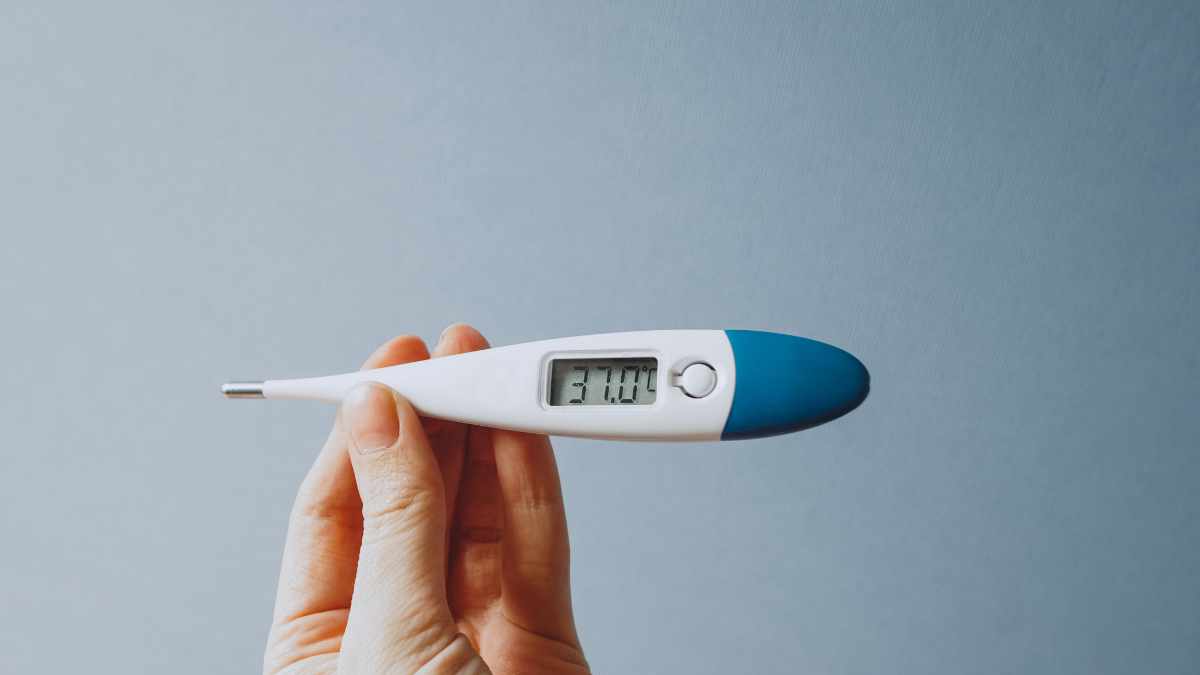
Fever is a common physiological response that often indicates an underlying infection or illness. It is characterized by an elevation in body temperature, typically above the normal range of 36.1°C to 37.2°C (97°F to 99°F). While fever can serve as a protective mechanism, it is essential to recognize when it escalates to a point of danger. Understanding the nuances of fever, especially the thresholds that signify potential health risks, is crucial for effective management and timely intervention.
Understanding Fever: Definition and Normal Temperature Ranges
Fever is defined as a temporary increase in body temperature, often due to an illness. The normal body temperature for adults generally hovers around 37°C (98.6°F), but this can vary based on several factors, including the time of day, age, and individual metabolic differences. For instance, children may have a slightly higher baseline temperature than adults. It is essential to note that normal temperature can also fluctuate with physical activity, hormonal changes, and environmental conditions.
The medical community often categorizes temperature ranges to better understand fever severity. A low-grade fever is typically defined as a body temperature between 37.5°C (99.5°F) and 38.3°C (100.9°F). Moderate fever ranges from 38.4°C (101.1°F) to 39.4°C (102.9°F), while a high fever is classified as a temperature above 39.5°C (103.1°F). Understanding these ranges is vital, as they can help individuals gauge the severity of their symptoms and decide on appropriate actions.
In addition to temperature, the duration of fever plays a significant role in clinical assessment. A fever lasting more than three days warrants further investigation, particularly if accompanied by other alarming symptoms. It is also important to consider the context of the fever, such as recent travel history, exposure to infectious agents, or underlying medical conditions, which can all influence the interpretation of fever severity.
Moreover, different age groups may exhibit varying responses to fever. For example, infants and young children may experience more significant fluctuations in temperature due to their developing immune systems. In contrast, older adults may have a blunted febrile response, making it more challenging to detect fever and its potential implications.
Identifying the Danger Zone: Fever Severity Indicators
Recognizing the danger zone for fever involves understanding specific indicators that suggest a more severe underlying condition. A critical threshold is often considered to be a temperature exceeding 39.4°C (102.9°F). At this level, the risk of complications begins to increase, particularly in vulnerable populations such as infants, the elderly, and individuals with compromised immune systems.
In addition to temperature, other symptoms can help identify the severity of a fever. Signs such as persistent headache, rash, difficulty breathing, chest pain, or confusion may indicate a more serious health issue. The presence of these symptoms alongside a high fever necessitates immediate medical evaluation. Furthermore, if fever is accompanied by vomiting, diarrhea, or dehydration, it may signify a severe systemic infection.
Another crucial factor in assessing fever severity is the duration of the fever. A fever persisting for more than three days, especially when coupled with worsening symptoms, should be taken seriously. This duration can indicate a more prolonged infection or a potential progression to a more severe illness, such as pneumonia or meningitis.
Finally, the context in which the fever occurs is vital. Recent travel to areas with endemic diseases, exposure to sick individuals, or pre-existing health conditions can elevate the risk associated with fever. Therefore, understanding the broader clinical picture is essential for determining whether a fever has reached a dangerous level.
Physiological Responses: How the Body Reacts to Fever
When the body encounters an infection, the hypothalamus, a region of the brain that regulates temperature, initiates a response that raises the body’s temperature set point. This physiological response is part of the immune system’s strategy to combat pathogens. By increasing body temperature, the body creates an environment that is less favorable for bacteria and viruses, enhancing the effectiveness of immune cells.
As the body temperature rises, various physiological changes occur. Increased heart rate and metabolic rate are common, as the body works harder to fight off the infection. Additionally, the body may exhibit shivering or chills, which are mechanisms to generate heat and elevate body temperature further. These responses are typically accompanied by other systemic symptoms, such as fatigue and malaise, which reflect the body’s energy expenditure in fighting the illness.
However, while fever can be beneficial in fighting infections, excessive elevations in body temperature can lead to adverse effects. Prolonged high fever can cause cellular damage and affect the function of vital organs. The brain, in particular, is sensitive to temperature changes, and extreme elevations can lead to complications such as febrile seizures, particularly in young children.
Understanding these physiological responses is essential for caregivers and healthcare providers. Recognizing when the body’s response to fever may be tipping into a dangerous territory can guide appropriate interventions and monitoring strategies.
Clinical Guidelines: When to Seek Medical Attention
Knowing when to seek medical attention for a fever is crucial for preventing complications and ensuring timely treatment. General guidelines suggest that individuals should consult a healthcare provider if they experience a fever exceeding 39.4°C (102.9°F) that persists for more than three days. This is particularly important for vulnerable populations, including infants under three months, who may require immediate evaluation for potential serious infections.
In addition to high fever, specific symptoms warrant urgent medical attention. If a fever is accompanied by severe headache, stiff neck, difficulty breathing, chest pain, or confusion, it is essential to seek emergency care. These symptoms can indicate serious conditions such as meningitis, pneumonia, or sepsis, which require prompt intervention.
For individuals with pre-existing health conditions, such as heart disease or diabetes, even a low-grade fever can be concerning. In such cases, it is advisable to consult a healthcare provider early in the course of illness to assess the risk and determine the appropriate course of action.
Furthermore, caregivers should be vigilant for signs of dehydration, particularly in children. Symptoms such as dry mouth, decreased urination, and lethargy can indicate dehydration, which may require medical intervention. Understanding these clinical guidelines can empower individuals to make informed decisions regarding fever management and when to seek help.
Potential Complications: Risks Associated with High Fever
High fever can lead to several complications, particularly if it persists without appropriate management. One of the most concerning risks is febrile seizures, which can occur in children between six months and five years of age. Although these seizures are typically benign and do not result in long-term harm, they can be distressing for both the child and caregivers.
Another significant risk associated with high fever is dehydration. Elevated body temperature increases fluid loss through sweating and can lead to inadequate fluid intake, especially if the individual is experiencing nausea or vomiting. Severe dehydration can result in complications such as kidney damage and electrolyte imbalances, necessitating medical intervention.
In adults, prolonged high fever can strain the cardiovascular system, particularly in individuals with pre-existing heart conditions. The increased metabolic demand and heart rate can lead to complications such as arrhythmias or heart failure in susceptible individuals. This underscores the importance of monitoring fever and its associated symptoms closely.
Lastly, high fever can also exacerbate underlying chronic conditions, such as respiratory diseases or autoimmune disorders. Individuals with these conditions may experience worsened symptoms during febrile episodes, necessitating careful management and monitoring to prevent further complications.
Management Strategies: Safely Navigating Fever Episodes
Effective management of fever involves a combination of monitoring, symptomatic relief, and addressing the underlying cause. One of the primary strategies is to stay hydrated. Increased fluid intake helps to prevent dehydration and supports the body’s natural cooling mechanisms. Clear fluids such as water, broth, and electrolyte solutions are particularly beneficial.
Over-the-counter medications, such as acetaminophen or ibuprofen, can be used to reduce fever and alleviate discomfort. However, it is essential to follow dosing guidelines carefully, especially in children, to avoid potential side effects. Caregivers should also be aware of the signs of worsening symptoms, which may indicate a need for more aggressive intervention.
In addition to medication, physical cooling methods can be helpful. Using a damp washcloth on the forehead, taking lukewarm baths, or wearing lightweight clothing can aid in reducing body temperature. However, it is crucial to avoid cold baths or ice packs, as these can trigger shivering and potentially raise body temperature further.
Finally, it is vital to monitor the fever closely and assess any accompanying symptoms. Keeping a record of temperature readings and symptom progression can provide valuable information for healthcare providers if medical attention is needed. By employing these management strategies, individuals can navigate fever episodes more safely and effectively.
Conclusions:
Understanding the danger zone for fever is essential for effective management and timely intervention. By recognizing the indicators of severe fever, the physiological responses of the body, and the potential complications associated with high temperatures, individuals can make informed decisions regarding their health. Adhering to clinical guidelines and employing appropriate management strategies can help mitigate risks and ensure better outcomes during fever episodes.
Read more:
- Mayo Clinic – Fever – Comprehensive overview of fever, including causes and treatment options.
- Centers for Disease Control and Prevention (CDC) – Fever – Information on fever management and when to seek medical care.
- American Academy of Pediatrics – Fever in Children – Guidelines for managing fever in pediatric patients.
- Cleveland Clinic – When to Seek Medical Attention for Fever – Detailed guidance on when to seek medical help for fever.
- National Institutes of Health (NIH) – Fever: A Review – A scholarly review discussing the implications and management of fever.