
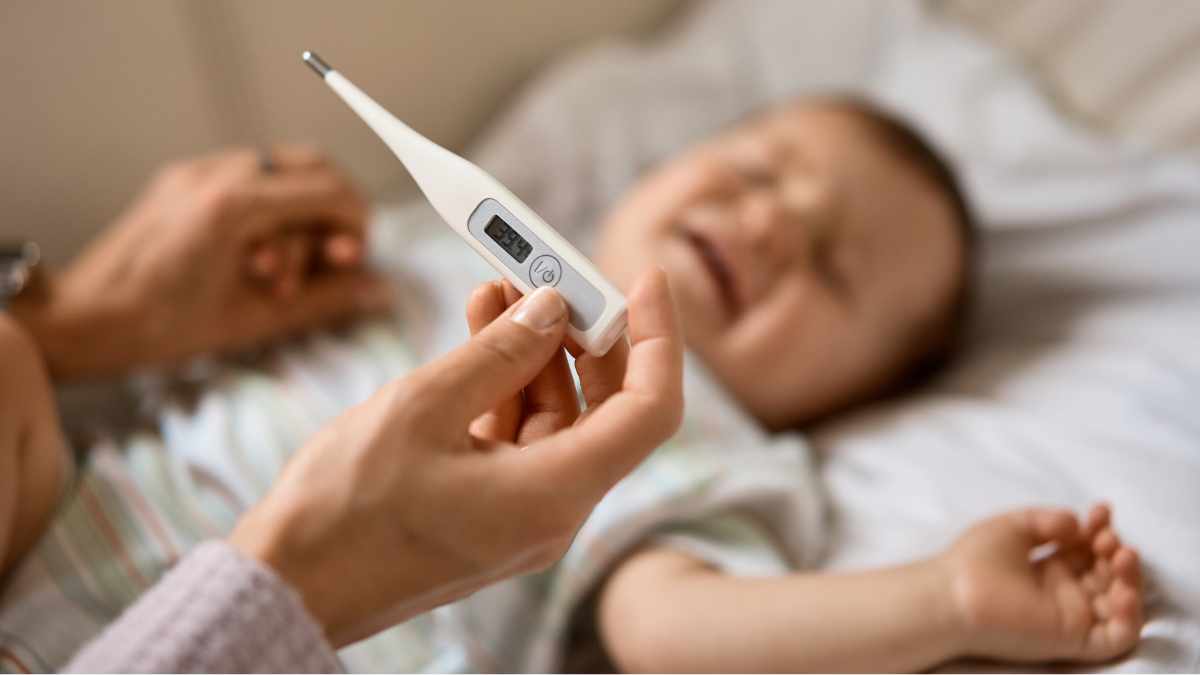

Introduction:
Fever is a common physiological response to infection, inflammation, and other medical conditions. It serves as an indicator that the body is fighting off an illness. However, understanding the nuances of fever, including what constitutes a high fever and the associated risks, is crucial for effective medical intervention. This article delves into the definition of fever, the normal body temperature range, clinical perspectives on high fever, physiological impacts, critical thresholds, and management strategies.
Understanding Fever: Definition and Measurement Criteria
Fever is defined as an elevation in body temperature above the normal range, typically considered to be around 98.6°F (37°C). It is a complex physiological response that involves the hypothalamus, which acts as the body’s thermostat. When the body detects pathogens, pyrogens are released, prompting the hypothalamus to raise the body temperature to create an environment less favorable for the invading organisms.
Measurement of body temperature can be done using various methods, including oral, rectal, axillary, and tympanic measurements. Each method has its own standard ranges, with rectal temperatures generally being the most accurate for diagnosing fever. A fever is usually defined as a body temperature of 100.4°F (38°C) or higher.
In clinical settings, fever can be classified into different categories based on its duration and severity. For instance, acute fever lasts less than seven days, while persistent fever lasts longer than that. Understanding these classifications is essential for healthcare providers to determine the underlying causes and appropriate treatments.
The context of fever is also important. For example, a fever in a child might be interpreted differently than in an adult, given the varying immune responses and thresholds for intervention. This highlights the need for a nuanced understanding of fever as a clinical sign.
The Normal Body Temperature Range: A Baseline for Fever
The normal body temperature range can vary among individuals and is influenced by factors such as age, time of day, and activity level. Typically, normal body temperature ranges from 97°F (36.1°C) to 99°F (37.2°C). Understanding this baseline is crucial for identifying when a fever is present.
Age plays a significant role in determining normal temperature ranges. Infants and young children tend to have slightly higher normal body temperatures compared to adults. Additionally, body temperature can fluctuate throughout the day, usually being lower in the morning and higher in the late afternoon and evening.
Furthermore, the method of measurement can also affect the readings. For instance, rectal temperatures are generally higher than oral temperatures by about 0.5°F to 1°F (0.3°C to 0.6°C). This variability underscores the importance of consistent measurement techniques when assessing fever.
Recognizing the normal body temperature range is essential for both patients and healthcare providers. It allows for early detection of fever and timely intervention, which can be critical in preventing complications associated with elevated body temperatures.
Clinical Perspectives: What Constitutes a High Fever?
From a clinical standpoint, a high fever is typically defined as a body temperature of 103°F (39.4°C) or above. This level of fever can indicate a more serious underlying condition and may warrant further investigation. High fever can be symptomatic of various illnesses, including infections, autoimmune diseases, and malignancies.
The interpretation of what constitutes a high fever can vary based on individual circumstances. For instance, in immunocompromised patients, even a mild fever may be concerning, while in healthy individuals, a higher threshold may be tolerated without immediate intervention.
Healthcare professionals often consider the duration of the fever alongside its height. A persistent high fever lasting more than three days may prompt further diagnostic testing to identify the underlying cause. Additionally, the presence of accompanying symptoms, such as rash, difficulty breathing, or severe headache, can also influence clinical decision-making.
In summary, while a high fever is generally categorized as 103°F (39.4°C) or higher, the clinical context, patient history, and associated symptoms are crucial for accurate assessment and management.
Physiological Impacts of Elevated Body Temperature Levels
Elevated body temperatures can have significant physiological effects on the body. The most immediate impact is the acceleration of metabolic processes, which can increase heart rate and respiratory rate. This heightened state can lead to increased oxygen demand and energy expenditure, potentially stressing the cardiovascular system.
Additionally, prolonged high fever can result in dehydration, especially if the patient is not adequately hydrated. Fever often leads to increased sweating, which can exacerbate fluid loss. This dehydration can further complicate the patient’s condition, leading to symptoms such as dizziness, confusion, and weakness.
Moreover, elevated temperatures can affect the central nervous system. In extreme cases, hyperthermia can lead to seizures or altered mental status. The risk of febrile seizures is particularly prevalent in young children, making it essential for caregivers to monitor and manage high fevers effectively.
Long-term exposure to high fever can also have detrimental effects on organ function. For instance, the kidneys may become compromised due to reduced blood flow and increased metabolic demands. Understanding these physiological impacts reinforces the importance of monitoring and managing high fever in clinical practice.
Identifying Critical Fever Thresholds: Risks and Symptoms
Critical fever thresholds are often defined as temperatures exceeding 104°F (40°C). At this level, the risk of complications increases significantly, including heat exhaustion, heat stroke, and potential damage to vital organs. Symptoms associated with critical fever can range from mild to severe, including confusion, seizures, and loss of consciousness.
In children, a fever of 104°F (40°C) or higher can be particularly concerning. Parents are often advised to seek immediate medical attention if their child exhibits such high temperatures, especially if accompanied by other alarming symptoms like persistent vomiting, difficulty waking, or a rash.
In adults, critical fever can also signal serious infections, such as sepsis or pneumonia. The presence of additional symptoms, such as difficulty breathing or chest pain, can further indicate the need for urgent care.
Recognizing these critical thresholds and associated symptoms is vital for timely intervention. Early medical assessment can lead to appropriate management strategies that can mitigate risks and improve patient outcomes.
Management Strategies for High Fever: Guidelines and Protocols
Management of high fever typically involves a combination of pharmacological and non-pharmacological interventions. Antipyretics, such as acetaminophen and ibuprofen, are commonly used to lower body temperature and alleviate discomfort. These medications can be administered based on age and weight guidelines to ensure safety and efficacy.
Non-pharmacological strategies also play a significant role in fever management. Encouraging fluid intake is essential to prevent dehydration, especially in patients with elevated temperatures. Additionally, applying cool compresses or taking lukewarm baths can help reduce body temperature without causing shivering, which can raise body temperature further.
Healthcare providers often emphasize the importance of monitoring fever patterns and associated symptoms. Keeping a record of temperature readings and any accompanying symptoms can provide valuable information for medical professionals when assessing the patient’s condition.
In cases where fever persists despite treatment, or if it is accompanied by severe symptoms, further diagnostic testing may be warranted. This could include blood tests, imaging studies, or cultures to identify the underlying cause of the fever and guide appropriate treatment.
Conclusions:
Understanding the complexities of fever, particularly what constitutes a high fever, is essential for effective clinical management. By recognizing the normal body temperature range, identifying critical thresholds, and implementing appropriate management strategies, healthcare providers can significantly improve patient outcomes.
Read more:
- Mayo Clinic – Fever in Children – Comprehensive overview of fever in children, including causes and treatment options.
- Centers for Disease Control and Prevention (CDC) – Fever – Information on fever, its implications, and guidelines for management.
- American Academy of Pediatrics – Fever – Detailed guidelines on fever management in pediatric patients.
- National Institutes of Health (NIH) – Fever and Hyperthermia – A scientific discussion on fever and its physiological impacts.
- WebMD – Fever: Causes, Symptoms, and Treatment – An overview of fever in adults, including treatment options and when to seek medical help.