
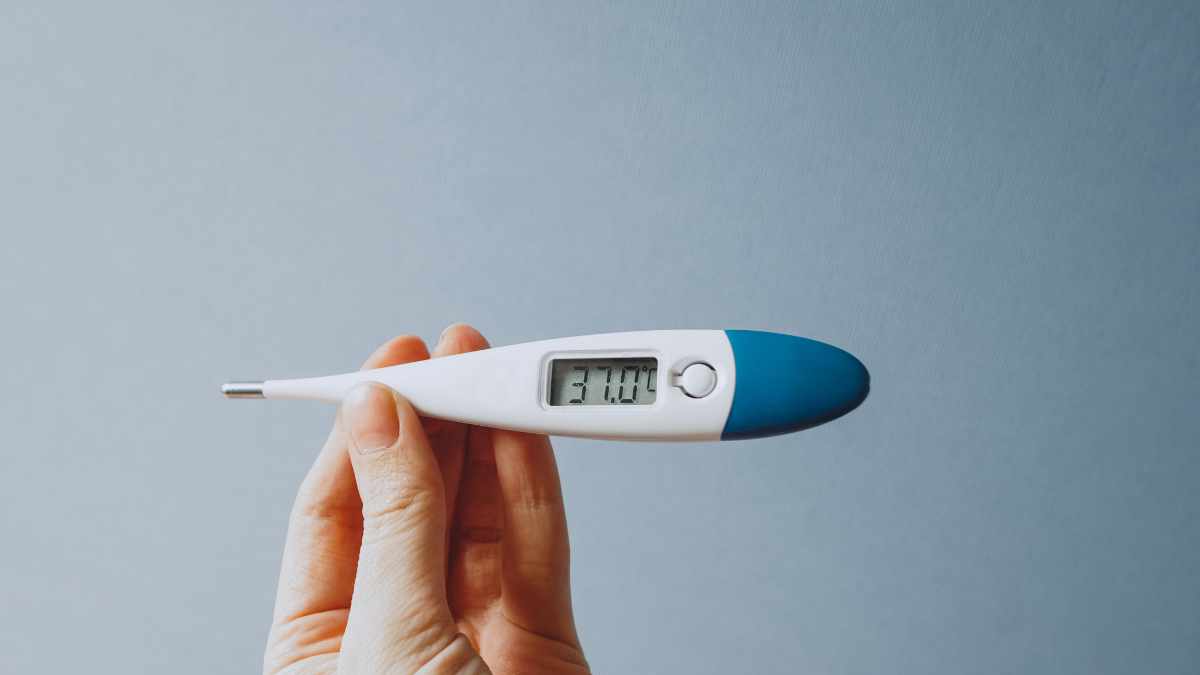

Introduction:
In the fast-paced environment of a restaurant like Hooters, maintaining food safety is of paramount importance. One critical aspect of food safety is understanding the concept of the temperature danger zone, which refers to the range of temperatures that promote the growth of harmful bacteria. This article delves into the significance of this concept, particularly in the context of Hooters, and outlines the guidelines and best practices to ensure safe food handling.
Understanding the Concept of Temperature Danger Zone
The temperature danger zone is defined as the range of temperatures between 40°F (4°C) and 140°F (60°C). Within this range, bacteria can multiply rapidly, leading to foodborne illnesses. When food is left in this temperature range for extended periods, the risk of contamination increases significantly. Understanding this concept is crucial for restaurant staff, as it directly impacts the safety and quality of the food served to customers.
In a restaurant setting, various factors can contribute to food entering the danger zone. For instance, improper storage, inadequate cooking, and insufficient cooling can all lead to unsafe temperatures. Staff must be trained to recognize these risks and implement effective measures to prevent food from remaining in the danger zone for too long. This understanding is not only essential for compliance with health regulations but also for maintaining the restaurant’s reputation.
Moreover, the temperature danger zone is not just a static range; it can be influenced by external factors such as ambient temperature and humidity. For example, during peak hours, the kitchen may become warmer, potentially pushing food items into the danger zone if not monitored closely. Therefore, a comprehensive understanding of this concept enables restaurant staff to take proactive measures to ensure food safety.
In summary, the temperature danger zone is a critical concept in food safety that every restaurant employee must understand. It serves as a foundation for implementing safe food handling practices, thereby protecting both customers and the establishment from potential health risks.
The Importance of Food Safety in Restaurant Operations
Food safety is a fundamental aspect of restaurant operations, as it directly affects customer health and satisfaction. In an environment where food is prepared and served to the public, the risk of foodborne illnesses is ever-present. Maintaining high standards of food safety helps mitigate these risks and ensures that customers can enjoy their meals without concern for their health.
In addition to protecting customers, adhering to food safety regulations is vital for the restaurant’s legal compliance. Health departments enforce strict guidelines regarding food handling, storage, and preparation. Failure to comply can result in fines, closures, and damage to the restaurant’s reputation. Therefore, prioritizing food safety is not only a moral obligation but also a business necessity.
Furthermore, food safety practices contribute to operational efficiency. When staff are trained in safe food handling procedures, the likelihood of contamination decreases, leading to fewer incidents of foodborne illness. This, in turn, reduces the potential for costly recalls and liability claims, allowing the restaurant to operate smoothly and profitably.
Ultimately, food safety is an integral part of restaurant operations that impacts customer health, legal compliance, and overall efficiency. By prioritizing food safety, restaurants like Hooters can create a safe and enjoyable dining experience for their patrons.
Hooters Temperature Guidelines for Safe Food Handling
Hooters, like many other restaurants, has established specific temperature guidelines to ensure safe food handling. These guidelines are designed to minimize the risk of foodborne illnesses by keeping food out of the temperature danger zone. Staff are trained to follow these guidelines meticulously, ensuring that food is cooked, stored, and served at safe temperatures.
For example, Hooters emphasizes the importance of cooking chicken wings to an internal temperature of 165°F (74°C). This temperature is crucial for killing harmful bacteria that may be present in raw poultry. Additionally, hot food should be held at temperatures above 140°F (60°C) to prevent bacterial growth. Conversely, cold food items must be stored at temperatures below 40°F (4°C) to maintain their safety and quality.
Regular monitoring of food temperatures is another critical aspect of Hooters’ food safety protocols. Staff are trained to use food thermometers to check the internal temperatures of cooked items and the temperatures of refrigeration units. This practice ensures that food remains within safe temperature ranges throughout its lifecycle, from preparation to serving.
By adhering to these temperature guidelines, Hooters aims to provide a safe dining experience for customers while minimizing the risk of foodborne illnesses. These protocols are not only essential for compliance with health regulations but also for maintaining the restaurant’s reputation for quality and safety.
Identifying the Temperature Range of the Danger Zone
The temperature danger zone is specifically identified as the range between 40°F (4°C) and 140°F (60°C). Within this range, bacteria can thrive, doubling in number in as little as 20 minutes. This rapid growth can lead to food becoming unsafe to eat if it remains in the danger zone for extended periods. Understanding this range is crucial for restaurant staff, as it allows them to take necessary precautions when handling food.
To effectively manage food safety, it is essential to monitor the temperatures of both hot and cold food items regularly. Staff should be trained to recognize the signs of food that may have entered the danger zone, such as changes in texture, color, or odor. Additionally, proper storage techniques, such as using ice baths for cold foods and ensuring hot foods are kept above the critical temperature, are vital in preventing food from entering this dangerous range.
In a busy restaurant like Hooters, where food is prepared in large quantities and served quickly, the risk of food entering the danger zone increases. Therefore, staff must be vigilant in their temperature monitoring practices, ensuring that food is cooked, stored, and served at safe temperatures. This vigilance is key to preventing foodborne illnesses and ensuring customer safety.
In conclusion, identifying and understanding the temperature range of the danger zone is essential for maintaining food safety in any restaurant. By recognizing this range and implementing effective monitoring practices, staff can significantly reduce the risk of foodborne illnesses and ensure that customers enjoy safe and delicious meals.
Consequences of Improper Temperature Control in Food
Improper temperature control in food can have severe consequences, both for customers and the restaurant itself. One of the most immediate risks is the increased likelihood of foodborne illnesses. When food is allowed to remain in the temperature danger zone, harmful bacteria can proliferate, leading to illnesses that can range from mild gastrointestinal discomfort to severe, life-threatening conditions.
For restaurants like Hooters, the repercussions of foodborne illnesses can be particularly damaging. A single incident can lead to negative publicity, loss of customer trust, and potential legal action. Customers who fall ill may seek compensation, resulting in costly lawsuits and settlements. This not only impacts the restaurant’s finances but can also tarnish its reputation, leading to a decline in business.
In addition to the health risks and potential legal consequences, improper temperature control can also result in food waste. When food is stored or held at unsafe temperatures, it may need to be discarded to prevent health risks. This not only leads to financial losses but also contributes to environmental waste, as perfectly good food is thrown away due to improper handling.
Ultimately, the consequences of improper temperature control in food extend beyond immediate health risks. They can have lasting impacts on a restaurant’s reputation, financial stability, and commitment to sustainability. Therefore, it is crucial for establishments like Hooters to prioritize temperature control as part of their food safety protocols.
Best Practices for Maintaining Safe Temperatures at Hooters
To maintain safe temperatures at Hooters, staff must adhere to several best practices. First and foremost, regular training on food safety and temperature control is essential. Employees should be well-versed in the importance of keeping food out of the temperature danger zone and the specific temperature guidelines established by the restaurant.
Another critical practice is the use of food thermometers. Staff should be trained to use thermometers effectively to check the internal temperatures of cooked items and the temperatures of refrigeration units. This ensures that food is consistently held at safe temperatures, reducing the risk of bacterial growth.
Additionally, proper food storage techniques are vital in maintaining safe temperatures. Cold foods should be stored in refrigerators set to 40°F (4°C) or below, while hot foods should be kept at temperatures above 140°F (60°C). Staff should also be trained to avoid overcrowding refrigerators and hot holding units, as this can impede proper airflow and temperature regulation.
Finally, regular monitoring and documentation of food temperatures can help identify potential issues before they become serious problems. By implementing these best practices, Hooters can ensure that food safety remains a top priority, providing customers with a safe and enjoyable dining experience.
Conclusions:
In summary, understanding the temperature danger zone and implementing effective food safety practices are crucial for restaurants like Hooters. By adhering to established temperature guidelines, training staff, and maintaining proper food storage techniques, the risk of foodborne illnesses can be significantly reduced. This commitment to food safety not only protects customers but also enhances the restaurant’s reputation and operational efficiency.
Read more:
- Food Safety and Temperature Control – A comprehensive guide on food safety practices and temperature control.
- USDA Guidelines on Food Safety – Official guidelines from the United States Department of Agriculture regarding food safety.
- CDC Food Safety – Information on foodborne illnesses and prevention strategies from the Centers for Disease Control and Prevention.
- FDA Food Code – The Food and Drug Administration’s model food code that provides guidelines for food safety in restaurants.
- ServSafe Food Handler Guide – A resource for food safety training and certification for restaurant staff.