

Se hai un abbonamento attivo ACCEDI QUI
Introduction:
Fever is a common symptom that can arise from various underlying conditions, ranging from mild infections to more serious illnesses. Understanding when to stay home due to fever is crucial for both personal health and public safety. This article aims to provide a comprehensive overview of fever, including its definition, clinical guidelines, severity evaluation, home care recommendations, and the potential risks associated with staying home when experiencing a fever.
Understanding Fever: Defining Normal Body Temperature Ranges
Body temperature is a vital sign that reflects the body’s ability to maintain homeostasis. The normal body temperature range for adults is typically between 97°F (36.1°C) and 100.4°F (38°C). Variations can occur due to factors such as the time of day, physical activity, and individual differences. A body temperature above this normal range is generally considered a fever, indicating that the body is responding to an infection or other medical condition.
Fever serves as a natural defense mechanism, helping the body fight off infections by creating an environment less favorable for pathogens. The hypothalamus, a part of the brain, regulates body temperature and can raise it in response to pyrogens—substances that induce fever. Understanding this physiological response is essential for interpreting the significance of a fever and determining appropriate actions.
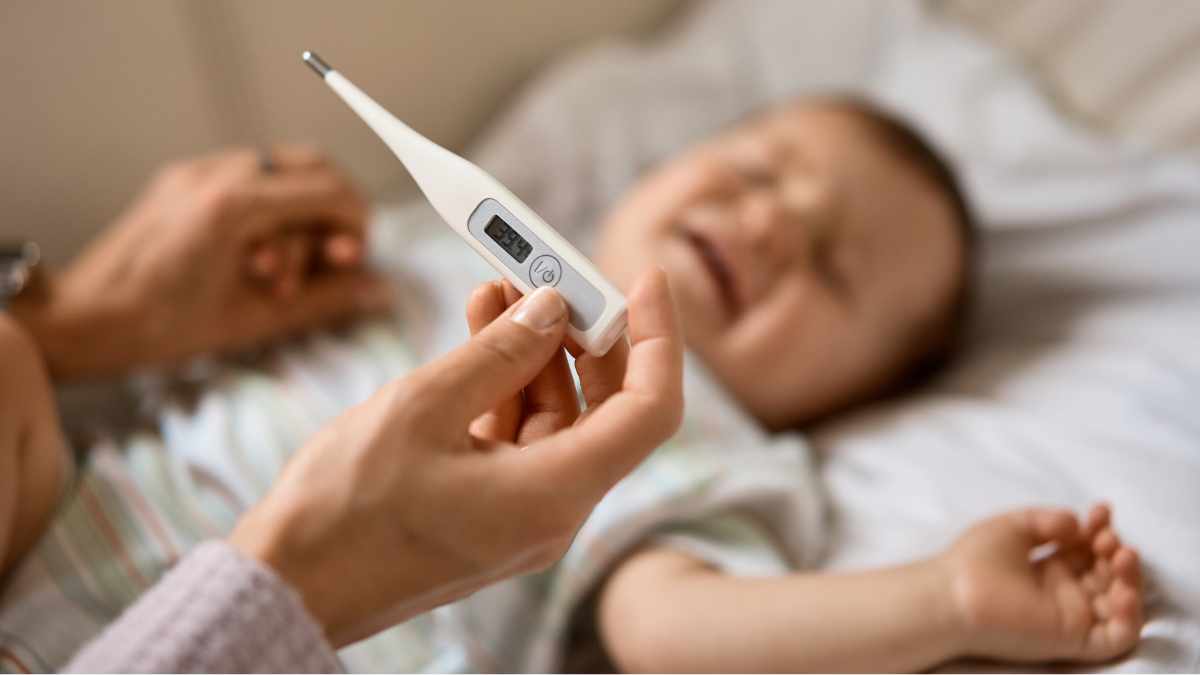
In children, the normal temperature range may be slightly higher, and their fever thresholds can differ. For instance, a fever in infants under three months is defined as a temperature of 100.4°F (38°C) or higher, warranting immediate medical attention. Recognizing these differences is vital for caregivers and parents when assessing the health of their children.
Finally, it’s important to note that not all fevers require treatment. Some may resolve on their own as the underlying cause is addressed. However, knowing when to seek medical advice is crucial for ensuring proper care and management.
Clinical Guidelines for Fever: When to Seek Medical Advice
Clinical guidelines suggest that individuals should consider seeking medical advice when experiencing a fever that persists for more than three days or is accompanied by other concerning symptoms. These symptoms may include severe headache, rash, difficulty breathing, chest pain, or persistent vomiting. In such cases, the fever may indicate a more serious underlying condition that requires prompt medical evaluation.
For children, parents should be vigilant about any signs of distress accompanying a fever. Infants under three months with a fever should be evaluated by a healthcare professional immediately, as their immune systems are still developing and they are at higher risk for severe infections. In older children, a fever exceeding 104°F (40°C) warrants medical attention, especially if it is associated with lethargy or irritability.
Individuals with pre-existing health conditions, such as heart disease, diabetes, or compromised immune systems, should also seek medical advice sooner rather than later. Their bodies may not respond to fever in the same way as healthy individuals, and they may be at greater risk for complications.
In summary, recognizing when to seek medical advice is essential for effective fever management. Monitoring the duration and accompanying symptoms of a fever can help individuals make informed decisions regarding their health.
Evaluating Fever Severity: Temperature Thresholds Explained
Fever severity can be categorized based on temperature thresholds. Mild fever is typically defined as a body temperature between 100.4°F (38°C) and 102.2°F (39°C). This level of fever is often manageable at home with rest and hydration. Moderate fever ranges from 102.2°F (39°C) to 104°F (40°C) and may require more active management to alleviate discomfort.
Severe fever is categorized as a temperature exceeding 104°F (40°C). At this level, the risk of complications increases, particularly in vulnerable populations such as young children and the elderly. High fevers can lead to febrile seizures in children and may indicate a serious infection that necessitates immediate medical intervention.
It is essential to note that the presence of fever alone does not always correlate with the severity of an illness. Some individuals may experience high fevers with relatively mild infections, while others may have low-grade fevers with severe conditions. Therefore, evaluating the overall clinical picture, including symptoms and medical history, is crucial in determining the appropriate course of action.
Understanding these temperature thresholds can guide individuals in their fever management strategies, helping them decide when to stay home or seek medical care.
Home Care Recommendations for Managing Fever Symptoms
When managing a fever at home, several strategies can help alleviate symptoms and promote comfort. Hydration is paramount, as fever can lead to increased fluid loss through sweating. Drinking plenty of fluids, such as water, herbal teas, and broths, helps maintain hydration levels and supports the body’s recovery process.
Rest is equally important during a fever. The body requires energy to fight off infections, and adequate rest can facilitate this process. Creating a comfortable environment, such as keeping the room cool and using light bedding, can help individuals feel more at ease during their recovery.
Over-the-counter medications, such as acetaminophen or ibuprofen, can be effective in reducing fever and alleviating associated discomfort. However, it’s essential to follow dosing guidelines and consult a healthcare provider if there are any concerns, especially for children or individuals with pre-existing health conditions.
Lastly, monitoring the fever regularly can help track changes in temperature and overall condition. Keeping a record of the fever’s progression can provide valuable information for healthcare providers if medical advice is eventually sought.
Impact of Fever on Health: Risks of Staying Home
While many fevers can be managed at home, there are potential risks associated with staying home without seeking medical advice. Prolonged fever can lead to dehydration, especially if accompanied by symptoms such as vomiting or diarrhea. Dehydration can exacerbate the underlying condition and prolong recovery time.
Additionally, individuals with severe or persistent fevers may be at risk for complications, such as febrile seizures in children or exacerbation of chronic medical conditions. Ignoring these symptoms can lead to a deterioration of health and may necessitate more intensive medical intervention later.
Moreover, staying home with a fever may have implications for public health. If the fever is due to a contagious illness, such as influenza or COVID-19, remaining in public spaces can increase the risk of transmission to others. It’s crucial to balance personal health needs with the responsibility to protect the community.
In conclusion, while it is often appropriate to manage mild to moderate fevers at home, being vigilant about symptoms and understanding the potential risks is essential for ensuring both individual and public health.
Conclusions:
Making informed decisions about fever management requires a comprehensive understanding of fever, its severity, and the potential risks associated with staying home. By recognizing when to seek medical advice and employing effective home care strategies, individuals can navigate the complexities of fever with confidence.
Read more
- Mayo Clinic – Fever: First Aid – A comprehensive guide on managing fever, including first aid tips and when to seek medical help.
- Centers for Disease Control and Prevention (CDC) – Fever – Information on fever as a symptom of influenza, including guidelines for care.
- WebMD – Fever in Children – A detailed overview of fever in children, including when to seek medical attention.
- Healthline – What to Know About Fever – An article discussing the causes, symptoms, and management of fever.
- Cleveland Clinic – Fever: Causes, Symptoms, Treatment – A resource providing insights into the causes of fever and treatment options available.