

Se hai un abbonamento attivo ACCEDI QUI
Introduction:
Maintaining a normal body temperature is crucial for optimal health and well-being. When the body temperature drops significantly, it can lead to a condition known as hypothermia, which can have serious consequences if not addressed promptly. Understanding the causes, symptoms, and appropriate responses to low body temperature is essential for anyone who may find themselves in this situation. This article will explore the various aspects of low body temperature, from immediate actions to long-term preventive measures.
Understanding Hypothermia: Causes and Symptoms Explained
Hypothermia occurs when the body loses heat faster than it can produce it, resulting in a dangerously low body temperature, typically below 95°F (35°C). Common causes of hypothermia include prolonged exposure to cold weather, immersion in cold water, and inadequate clothing during chilly conditions. Additionally, certain medical conditions such as hypothyroidism, diabetes, and malnutrition can impair the body’s ability to regulate temperature, making individuals more susceptible to hypothermia.
The symptoms of low body temperature can vary in severity but often include shivering, confusion, fatigue, and slurred speech. In more severe cases, individuals may experience a lack of coordination, slow heart rate, and even loss of consciousness. Recognizing these symptoms early is crucial, as they can escalate quickly and lead to life-threatening situations if not addressed.
Environmental factors also play a significant role in the onset of hypothermia. For instance, windy conditions can exacerbate heat loss, while wet clothing can significantly increase the risk of hypothermia due to the body’s inability to retain heat. Understanding these factors can help individuals take appropriate precautions in cold environments.
Lastly, it’s important to note that certain populations, such as the elderly, infants, and individuals with chronic illnesses, are at a higher risk for developing hypothermia. Awareness of these risks can aid in prevention and prompt intervention when necessary.
Immediate Steps to Take When Experiencing Low Temperature
If you find yourself experiencing low body temperature, the first step is to move to a warmer environment. Seek shelter indoors or in a vehicle if possible. Removing any wet clothing is crucial, as damp fabrics can draw heat away from the body. Instead, wrap yourself in dry, warm layers, including blankets, coats, or sleeping bags, to help retain body heat.
Next, it’s advisable to consume warm beverages if you are conscious and able to do so. Warm, non-alcoholic drinks can help raise your internal temperature. Avoid caffeine and alcohol, as these substances can lead to further heat loss. If food is available, consuming high-calorie snacks can also provide energy for the body to generate heat.
In cases where shivering is present, it is a natural response as the body attempts to generate warmth. However, if shivering stops, it may indicate a progression toward more severe hypothermia, which requires immediate action. Monitor your symptoms closely, and be aware of any changes in your condition.
Lastly, if you are with someone who is experiencing low body temperature, keep them calm and reassure them. Anxiety can exacerbate the situation, so provide emotional support while taking the necessary steps to warm them up.
Assessing the Severity of Low Body Temperature Conditions
Determining the severity of low body temperature is vital for appropriate intervention. Mild hypothermia typically presents with symptoms such as shivering, slight confusion, and fatigue. In these cases, immediate warming measures can often be effective, and recovery can occur relatively quickly with proper care.
Moderate hypothermia is characterized by more pronounced symptoms, including intense shivering, slurred speech, and impaired judgment. At this stage, professional medical assistance is recommended, as the situation can rapidly deteriorate without intervention. It is essential to avoid rapid warming techniques, such as hot baths, as these can lead to shock or cardiac issues.
Severe hypothermia is a medical emergency and requires immediate attention. Symptoms may include a lack of responsiveness, slow or irregular heartbeat, and shallow breathing. In such cases, it is critical to call emergency services and begin basic life support if the individual is unresponsive. Time is of the essence in these situations, and prompt action can save lives.
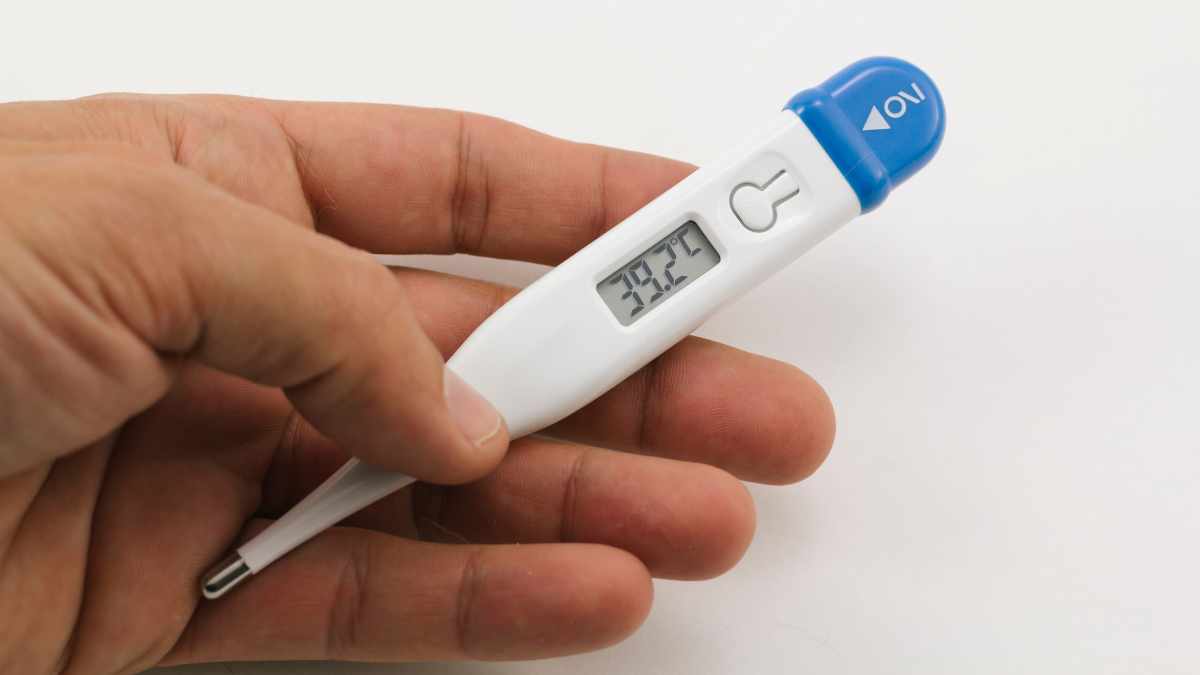
To assess the severity, one can also take the individual’s temperature using a thermometer. However, in extreme cases, traditional methods may not be effective, and professional medical evaluation is necessary. Understanding these levels of severity can guide individuals in making informed decisions about treatment and intervention.
Home Remedies and Lifestyle Changes to Consider
In addition to immediate responses, certain home remedies can help manage low body temperature over the long term. For instance, maintaining a warm living environment is essential, especially during colder months. Investing in good-quality insulation, heating systems, and thermal blankets can create a more comfortable atmosphere.
Dietary choices also play a role in regulating body temperature. Consuming a balanced diet rich in whole foods, proteins, and healthy fats can help the body generate heat more efficiently. Hot meals and beverages can provide immediate warmth and comfort, while regular meals can maintain energy levels.
Regular physical activity is another lifestyle change that can enhance the body’s ability to regulate temperature. Exercise increases circulation and metabolic rate, which can help generate heat. However, it’s essential to dress appropriately for the weather during outdoor activities to prevent heat loss.
Finally, wearing suitable clothing is crucial for maintaining body temperature. Layering clothing, using moisture-wicking fabrics, and ensuring proper insulation can help protect against the cold. Investing in thermal wear and high-quality outerwear can provide additional protection during extreme weather conditions.
When to Seek Medical Attention for Low Body Temperature
Recognizing when to seek medical attention is critical for managing low body temperature effectively. If symptoms of hypothermia persist despite warming measures, or if the individual shows signs of severe hypothermia, it is essential to call for emergency medical help. Symptoms such as confusion, drowsiness, or lack of coordination should not be ignored, as they may indicate a worsening condition.
Individuals with pre-existing health conditions, such as heart disease or respiratory issues, should be particularly cautious. These conditions can complicate the effects of hypothermia and increase the risk of serious complications. If there is any doubt about the severity of the situation, it is better to err on the side of caution and seek professional help.
In cases where an individual becomes unresponsive, immediate action is required. Begin CPR if trained, and ensure that emergency services are contacted without delay. Time is critical in these scenarios, and rapid intervention can make a significant difference in outcomes.
Lastly, even after initial recovery, it is advisable to follow up with a healthcare provider. They can assess any potential complications and provide guidance on further care and prevention strategies.
Preventive Measures to Maintain Normal Body Temperature
Preventing low body temperature is often more effective than treating it after it occurs. One of the most important measures is to dress appropriately for the weather. Layering clothing allows for better insulation and the ability to adjust to changing temperatures. Materials that wick moisture away from the skin are particularly beneficial in cold and wet conditions.
Staying informed about weather conditions is also essential. Before venturing outdoors, check forecasts and be prepared for sudden changes in temperature or weather. Planning activities during warmer parts of the day can also reduce the risk of exposure to extreme cold.
Creating a warm environment at home is another preventive measure. Ensure that living spaces are adequately heated, especially during winter months. Using space heaters, electric blankets, and thermal curtains can help maintain a comfortable temperature indoors.
Lastly, educating yourself and others about the signs and symptoms of hypothermia can empower individuals to take action before conditions worsen. Awareness and preparedness are key to preventing low body temperature and ensuring safety in cold environments.
Conclusions:
Understanding and addressing low body temperature is crucial for health and safety, especially in cold conditions. Recognizing the signs and symptoms of hypothermia, knowing immediate steps to take, and implementing preventive measures can significantly reduce risks. Individuals should remain vigilant, especially those at higher risk, and prioritize their well-being in cold environments.
Read more
- Mayo Clinic – Hypothermia: Comprehensive overview of hypothermia, including causes, symptoms, and treatment options.
- CDC – Hypothermia: Guidelines from the Centers for Disease Control and Prevention on preventing and recognizing hypothermia.
- WebMD – Hypothermia: Detailed information on hypothermia, including risk factors and home care tips.
- Healthline – What to Do for Hypothermia: Practical advice on how to respond to hypothermia and when to seek medical help.
- NIH – Cold Weather Safety: Insights from the National Heart, Lung, and Blood Institute on staying safe in cold weather and avoiding hypothermia.