

Introduction:
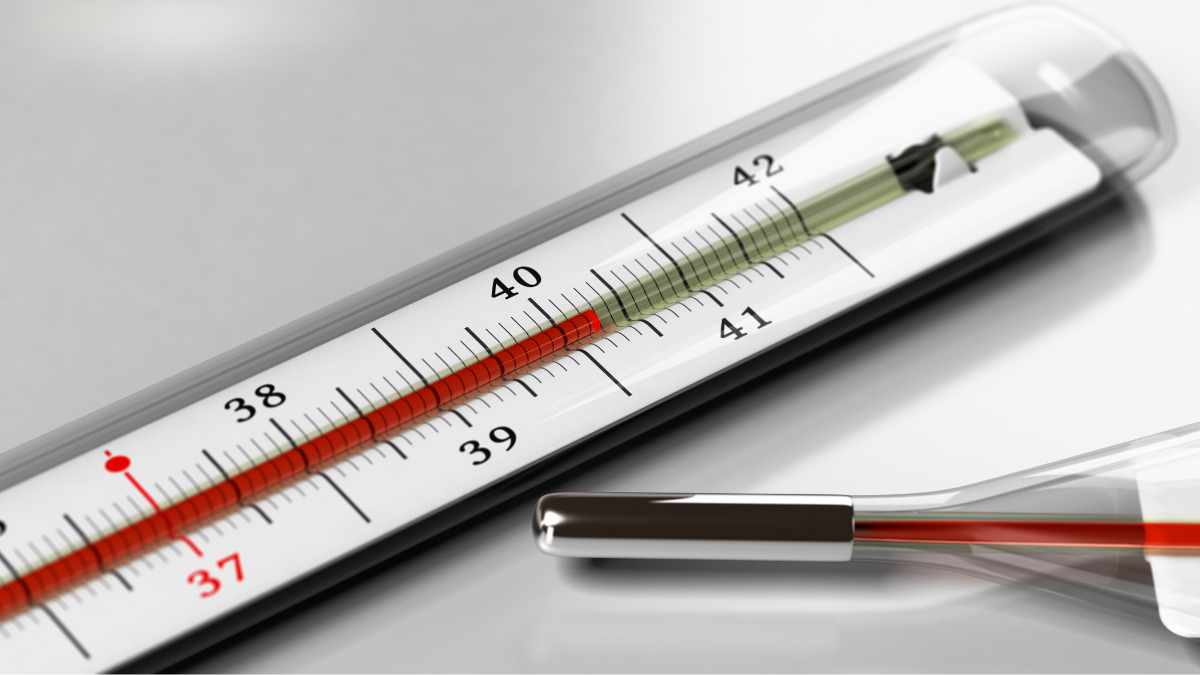
Body temperature is a vital sign that reflects the body’s ability to maintain homeostasis. While the average normal body temperature is often cited as 98.6°F (37°C), individual variations can lead to lower readings in some people. A naturally low body temperature can be a source of concern for many, prompting questions about its causes and implications. Understanding the factors influencing body temperature can help demystify why some individuals consistently register lower than average temperatures.
Understanding Normal Body Temperature Variations in Humans
Human body temperature is not a static figure; it varies based on several factors, including age, time of day, and individual physiology. Normal body temperature can range from 97°F (36.1°C) to 99°F (37.2°C), with fluctuations occurring throughout the day. For instance, temperatures tend to be lower in the morning and peak in the late afternoon and evening.
Moreover, individual differences play a significant role in temperature regulation. Factors such as genetic predisposition, hormonal levels, and even the presence of certain medical conditions can lead to variations. For some, a body temperature consistently below 97°F (36.1°C) may be their normal state, particularly if they exhibit no other symptoms of illness.
Understanding these variations is crucial, as they can affect how the body responds to environmental changes and physical activities. For instance, athletes may experience lower resting temperatures due to enhanced metabolic efficiency. This highlights the importance of context when evaluating body temperature.
Lastly, it’s essential to note that the method of measurement can also influence readings. Oral, rectal, and axillary (underarm) temperatures can yield different results, further complicating the assessment of what constitutes "normal" for an individual.
Physiological Factors Influencing Body Temperature Regulation
The human body employs various physiological mechanisms to regulate temperature, primarily through the hypothalamus, which acts as the body’s thermostat. This small region of the brain integrates signals from the body and the environment to maintain thermal homeostasis. When the body is exposed to cold, the hypothalamus triggers responses such as shivering and vasoconstriction, which help generate and conserve heat.
Hormonal fluctuations also play a significant role in temperature regulation. For instance, thyroid hormones are critical in regulating metabolic rate and, consequently, body temperature. Individuals with hypothyroidism may experience lower body temperatures due to decreased metabolic activity, highlighting the connection between hormonal balance and thermal regulation.
Additionally, age and gender can influence body temperature. Infants and young children typically have higher normal ranges, while older adults may experience lower temperatures due to changes in metabolic rate and hormonal levels. Women may also experience variations linked to menstrual cycles, pregnancy, and menopause, all of which can affect body temperature.
Finally, the body’s circadian rhythms, which govern sleep-wake cycles, can also impact temperature regulation. These rhythms lead to predictable fluctuations in body temperature, with the lowest readings often occurring during sleep. Understanding these physiological factors is essential for interpreting individual temperature readings accurately.
The Role of Metabolism in Maintaining Body Temperature
Metabolism is a critical factor in maintaining body temperature, as it encompasses all biochemical processes that convert food into energy. A higher metabolic rate typically correlates with increased heat production, which can elevate body temperature. Individuals with higher muscle mass or those who engage in regular physical activity often exhibit elevated metabolic rates, contributing to warmer body temperatures.
Conversely, a lower metabolic rate can lead to decreased heat production, resulting in lower body temperatures. Conditions such as hypothyroidism, where thyroid hormone levels are insufficient, can significantly decrease metabolic rate and, consequently, body temperature. This relationship underscores the importance of metabolic health in temperature regulation.
Diet also plays a crucial role in metabolism and body temperature. Nutrient-dense foods, particularly those rich in protein, can stimulate thermogenesis, the process of heat production in the body. Conversely, malnutrition or a diet lacking essential nutrients can impair metabolic function and lead to lower body temperatures.
Finally, the body’s ability to adapt to different environments can also influence metabolic processes. For instance, individuals acclimatized to colder climates may develop more efficient metabolic pathways for heat production, resulting in higher baseline temperatures compared to those living in warmer regions.
Potential Medical Conditions Associated with Low Body Temperature
While some individuals may naturally have lower body temperatures, certain medical conditions can contribute to this phenomenon. Hypothyroidism, characterized by an underactive thyroid gland, is one of the most common conditions associated with lower temperatures. Patients often report symptoms such as fatigue, weight gain, and sensitivity to cold, alongside persistently low body temperatures.
Another condition to consider is adrenal insufficiency, where the adrenal glands do not produce adequate amounts of hormones, including cortisol. This can lead to a range of symptoms, including low body temperature, fatigue, and low blood pressure. Diagnosing adrenal insufficiency typically involves blood tests and clinical evaluations.
Infections can also lead to fluctuations in body temperature. Sepsis, a severe response to infection, may initially cause fever, but as the body’s reserves are depleted, temperatures can drop significantly. This is particularly concerning as it indicates a severe systemic response requiring immediate medical attention.
Lastly, malnutrition or eating disorders can lead to low body temperatures. Insufficient caloric intake can impair metabolic processes, resulting in decreased heat production. Individuals suffering from conditions such as anorexia nervosa may experience significant drops in body temperature, which can have serious health implications.
Environmental and Lifestyle Factors Affecting Body Heat
The environment plays a pivotal role in influencing body temperature. Extreme cold can lead to hypothermia, a dangerous condition where the body loses heat faster than it can produce it. Individuals exposed to cold environments without adequate clothing or shelter are at increased risk of experiencing low body temperatures.
Lifestyle choices also significantly impact body heat regulation. Sedentary behavior can lead to lower metabolic rates and, consequently, lower body temperatures. Regular physical activity, on the other hand, enhances metabolism and promotes better temperature regulation by increasing heat production during exercise.
Dietary habits further influence body temperature. Consuming a balanced diet rich in essential nutrients supports metabolic health, while a diet high in processed foods can lead to metabolic dysfunction, potentially resulting in lower body temperatures. Hydration levels also matter, as dehydration can impair thermoregulation.
Finally, stress and mental health can affect body temperature. Chronic stress can lead to hormonal imbalances that may disrupt metabolic processes. Individuals experiencing high levels of stress may notice fluctuations in body temperature, emphasizing the interconnectedness of mental and physical health.
When to Seek Medical Advice for Low Body Temperature Issues
While a naturally low body temperature may not be a cause for concern in some individuals, it’s essential to recognize when to seek medical advice. If low body temperature is accompanied by symptoms such as extreme fatigue, confusion, or shivering, it may indicate an underlying health issue that requires attention.
Individuals with a history of thyroid disorders, adrenal insufficiency, or other metabolic conditions should monitor their body temperature closely. Any significant changes in temperature or the emergence of new symptoms should prompt a consultation with a healthcare professional.
Additionally, those living in extreme environments or engaging in activities that expose them to cold should be vigilant for signs of hypothermia. Early intervention is crucial in preventing severe complications associated with low body temperature.
In summary, if there are persistent concerns regarding low body temperature, especially if they are accompanied by other symptoms, seeking medical advice is important to rule out any serious conditions and ensure overall health.
Conclusions:
Understanding why some individuals have naturally low body temperatures involves exploring a complex interplay of physiological, metabolic, environmental, and lifestyle factors. While variations in body temperature can be normal, it is crucial to remain vigilant for any concerning symptoms that may indicate underlying health issues. Regular monitoring and awareness of one’s body can empower individuals to take proactive steps towards maintaining their health.
Read more
- Mayo Clinic: Hypothyroidism – Comprehensive information on hypothyroidism, its symptoms, and treatments.
- Cleveland Clinic: Adrenal Insufficiency – Detailed overview of adrenal insufficiency, including causes and management.
- Harvard Health: Body Temperature – Insights into body temperature regulation and what affects it.
- National Institutes of Health: Thermoregulation – A scientific exploration of thermoregulation and its physiological basis.
- WebMD: Low Body Temperature – A resource discussing the causes and implications of low body temperature.