
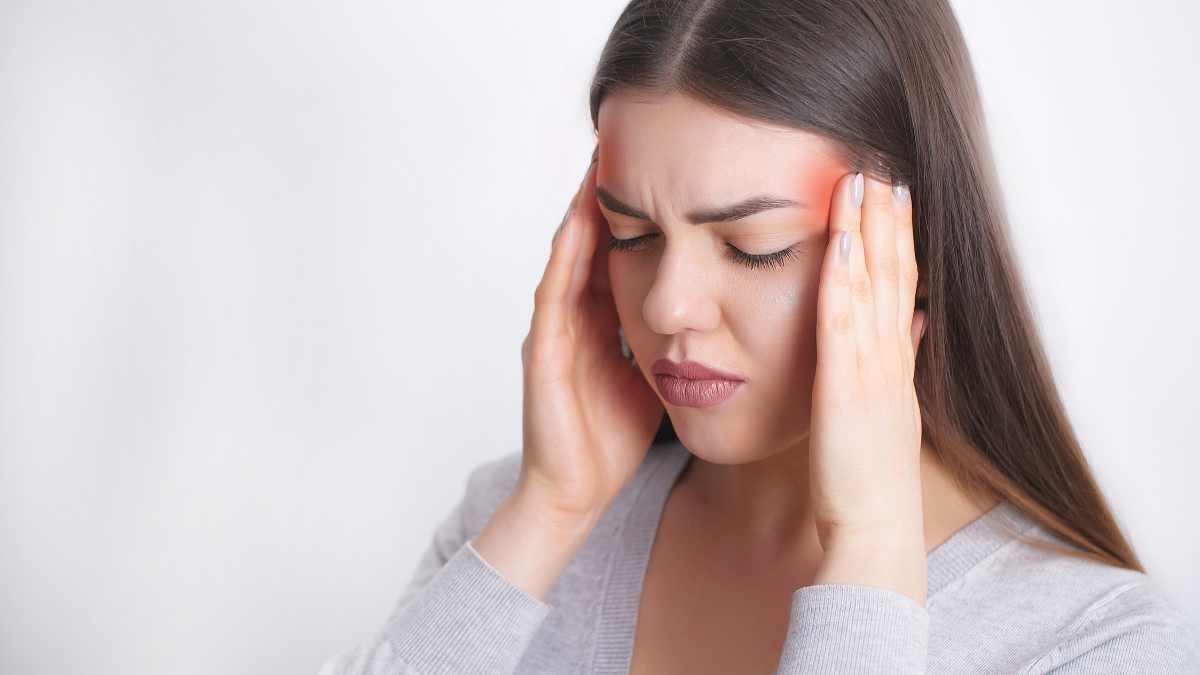

Introduction:
Throbbing headaches, often associated with migraines or tension-type headaches, can significantly impact daily life. Understanding the underlying mechanisms, identifying triggers, and employing effective strategies for relief are crucial for managing these debilitating conditions. This article delves into the multifaceted nature of throbbing headaches, offering insights into their causes, available treatments, and preventive measures.
Understanding the Mechanisms Behind Throbbing Headaches
Throbbing headaches are characterized by a pulsating pain that often intensifies with physical activity or movement. This pain is typically linked to changes in blood flow and the activation of pain pathways in the brain. The primary mechanism involves the dilation and constriction of blood vessels in the brain, which can lead to increased pressure and inflammation. Neurotransmitters such as serotonin and substance P play pivotal roles in modulating pain perception and can contribute to the throbbing sensation.
In addition to vascular changes, neurogenic inflammation is another critical factor. This process involves the release of inflammatory mediators from nerve endings, leading to the sensitization of pain pathways. As a result, even minor stimuli can trigger severe pain responses. Understanding these mechanisms is essential for developing targeted treatments that address the root causes of throbbing headaches rather than merely alleviating symptoms.
Moreover, the cortex of the brain, which processes sensory information, can become hyperactive during a headache episode. This hyperactivity can lead to a phenomenon known as cortical spreading depression, which is often observed in migraine sufferers. This cascade of events highlights the complexity of headache disorders and underscores the need for comprehensive approaches to treatment.
Finally, genetic predisposition may also play a role in the susceptibility to throbbing headaches. Research indicates that certain individuals may inherit a tendency toward developing migraines or tension-type headaches, suggesting that both environmental and genetic factors contribute to the onset of these conditions.
Identifying Common Triggers and Risk Factors
Recognizing the triggers of throbbing headaches is vital for effective management. Common triggers include stress, hormonal fluctuations, dietary factors, and environmental stimuli. Stress, for instance, can lead to muscle tension and increased sensitivity to pain, making it a significant contributor to headache onset. Techniques such as mindfulness and relaxation exercises can help mitigate this trigger.
Hormonal changes, particularly in women, can also provoke headaches. Fluctuations in estrogen levels during menstruation, pregnancy, or menopause can lead to increased headache frequency and severity. Keeping a headache diary can help identify patterns related to hormonal changes and assist in planning preventive strategies.
Dietary factors, including the consumption of certain foods and beverages, can also trigger headaches. Common culprits include aged cheeses, processed meats, alcohol, and caffeine. By maintaining a balanced diet and avoiding known triggers, individuals can reduce the likelihood of experiencing throbbing headaches.
Environmental factors, such as bright lights, loud noises, and strong odors, can also provoke headaches. Being mindful of these stimuli and creating a comfortable environment can help minimize exposure and reduce headache frequency.
Pharmacological Approaches to Alleviate Head Pain
When it comes to treating throbbing headaches, pharmacological interventions can be highly effective. Over-the-counter medications such as nonsteroidal anti-inflammatory drugs (NSAIDs) like ibuprofen and naproxen are commonly used to alleviate pain. These medications work by reducing inflammation and blocking pain signals in the brain, providing quick relief for many individuals.
For those with more severe or frequent headaches, prescription medications may be necessary. Triptans, a class of drugs specifically designed for migraine relief, can effectively alleviate throbbing pain by constricting dilated blood vessels and inhibiting the release of inflammatory substances. These medications are often most effective when taken at the onset of symptoms.
Preventive medications may also be prescribed for individuals who experience chronic headaches. Beta-blockers, antidepressants, and anticonvulsants have all been shown to reduce the frequency and severity of headaches in some patients. It is essential to work closely with a healthcare provider to determine the most appropriate medication regimen based on individual needs and medical history.
Lastly, it is important to be aware of potential side effects associated with headache medications. While they can provide significant relief, long-term use may lead to medication overuse headaches, where the headache becomes more frequent and severe due to the very medications intended for relief. Monitoring usage and consulting with a healthcare professional can help mitigate this risk.
Non-Pharmacological Strategies for Headache Relief
In addition to pharmacological treatments, various non-pharmacological strategies can effectively alleviate throbbing headaches. Cognitive-behavioral therapy (CBT) has been shown to help individuals manage stress and anxiety, which can be significant triggers for headaches. By addressing the psychological components of headache disorders, patients can develop coping mechanisms that reduce the frequency and intensity of their pain.
Another effective strategy is the use of biofeedback techniques. This approach involves training individuals to control physiological functions, such as muscle tension and heart rate, which can help reduce headache symptoms. By becoming more aware of their body’s responses, individuals can learn to manage their headaches more effectively.
Physical therapies, such as acupuncture and massage, have also gained popularity as complementary treatments for headache relief. Acupuncture involves the insertion of fine needles into specific points on the body to alleviate pain and promote relaxation. Massage therapy can help reduce muscle tension and improve circulation, providing additional relief for headache sufferers.
Finally, incorporating relaxation techniques such as yoga, meditation, and deep-breathing exercises can be beneficial. These practices not only promote relaxation but also improve overall well-being, potentially reducing the frequency of headaches over time.
Lifestyle Modifications to Prevent Recurrence
Preventing the recurrence of throbbing headaches often involves making significant lifestyle modifications. Maintaining a consistent sleep schedule is crucial, as both insufficient and excessive sleep can trigger headaches. Aim for 7-9 hours of quality sleep each night, and establish a regular bedtime routine to promote restful sleep.
Hydration is another vital factor in headache prevention. Dehydration can lead to increased headache frequency and intensity. Drinking adequate water throughout the day can help maintain hydration levels and reduce the risk of developing throbbing headaches.
Regular physical activity is also essential for overall health and can help prevent headaches. Exercise releases endorphins, which act as natural pain relievers, and can help reduce stress levels. Aim for at least 150 minutes of moderate-intensity exercise each week, incorporating activities that you enjoy to maintain motivation.
Lastly, adopting a balanced diet rich in fruits, vegetables, whole grains, and lean proteins can help prevent headaches. Avoiding known dietary triggers and maintaining stable blood sugar levels by eating regular, nutritious meals can contribute to overall headache management.
When to Seek Medical Attention for Head Pain
While many headaches can be managed with home remedies and over-the-counter medications, certain situations warrant medical attention. If a headache is unusually severe, sudden in onset, or accompanied by neurological symptoms such as vision changes, weakness, or confusion, it is crucial to seek immediate medical care. These symptoms may indicate a more serious underlying condition, such as a stroke or aneurysm.
Additionally, if headaches become more frequent or change in character, it is essential to consult a healthcare provider. A sudden increase in headache frequency or a change from typical headache patterns may require further evaluation to rule out any underlying issues.
For individuals who experience chronic headaches, a thorough medical evaluation is necessary to identify potential triggers and develop an appropriate treatment plan. This may involve imaging studies, blood tests, or referrals to specialists for further assessment.
Finally, if over-the-counter medications are no longer effective, or if there are concerns about medication overuse, it is essential to consult a healthcare professional. They can provide guidance on alternative treatment options and help develop a comprehensive management plan.
Conclusions:
Throbbing headaches can be debilitating, but understanding their mechanisms, identifying triggers, and employing effective treatment strategies can significantly improve quality of life. By combining pharmacological and non-pharmacological approaches, along with lifestyle modifications, individuals can take control of their headache management. It is essential to remain vigilant about changes in headache patterns and seek medical attention when necessary to ensure optimal care.
Read more
- Mayo Clinic – Headaches – Comprehensive overview of headache types, symptoms, and treatment options.
- American Migraine Foundation – A resource for migraine sufferers, offering information on triggers, treatments, and research.
- Cleveland Clinic – Headache Management – Detailed information on headache management strategies and when to seek help.
- National Headache Foundation – A nonprofit organization dedicated to educating the public about headaches and providing resources for sufferers.
- WebMD – Headaches – An informative guide on different types of headaches, their causes, and treatment options.