
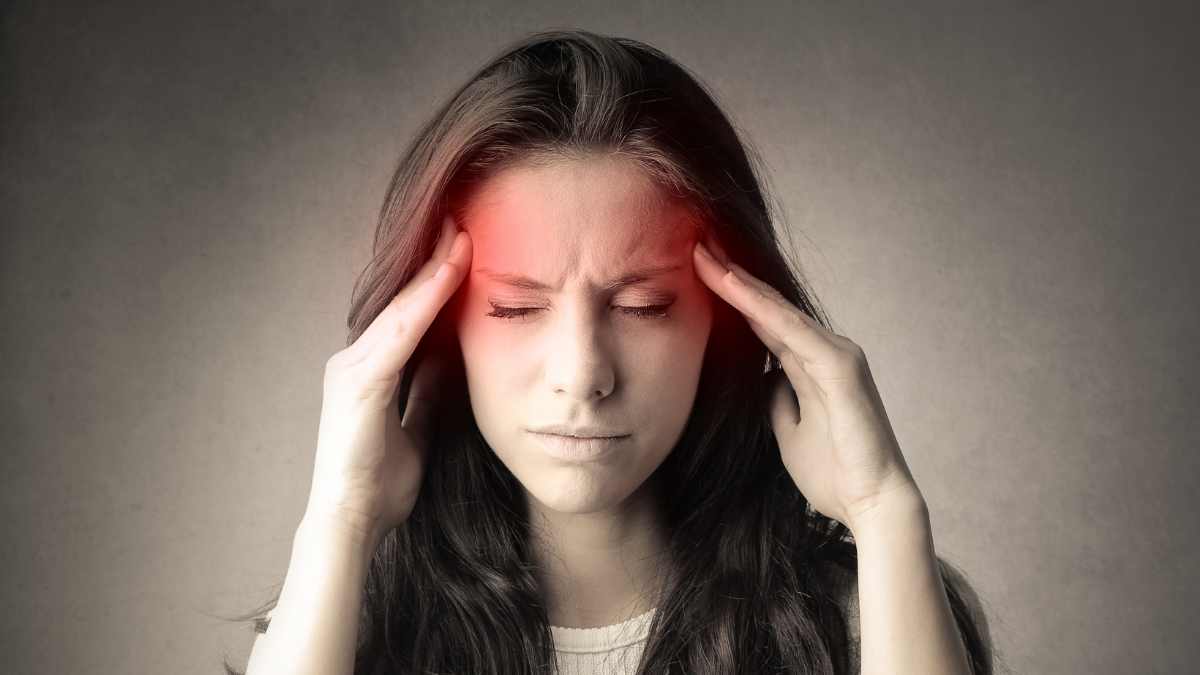

Introduction:
Experiencing sharp pains in the head can be alarming and often raises concerns about underlying health issues. While occasional headaches are common and may not warrant immediate concern, understanding the nature of these symptoms is crucial. This article will explore the various aspects of sharp head pain, including its causes, when to seek medical attention, diagnostic procedures, treatment options, and preventative measures to help manage and reduce the incidence of such discomfort.
Understanding the Nature of Sharp Head Pain Symptoms
Sharp head pain can manifest in various forms, from brief, stabbing sensations to more prolonged discomfort. Identifying the specific characteristics of the pain can aid in understanding its potential causes. For instance, some individuals may experience localized pain in one area of the head, while others might feel a more diffuse sensation. The intensity, duration, and frequency of these pains can also vary significantly, influencing the urgency of medical evaluation.
Understanding the accompanying symptoms is equally important. Sharp head pain may be accompanied by other symptoms such as nausea, sensitivity to light or sound, or visual disturbances. These additional indicators can provide valuable context for healthcare professionals when assessing the situation. Furthermore, noting any triggers—such as stress, lack of sleep, or specific foods—can help in identifying patterns that might be relevant to the pain’s origin.
It is essential to differentiate between sharp pain and other types of headaches, such as tension headaches or migraines. Migraines, for example, often present with throbbing pain, while tension headaches typically cause a dull, aching sensation. Recognizing these differences can guide individuals in determining whether their symptoms are part of a broader headache disorder or indicative of something more serious.
Lastly, understanding the psychological aspects of head pain is crucial. Anxiety and stress can exacerbate the perception of pain, leading to a cycle of discomfort that may seem unending. Addressing mental health alongside physical symptoms can provide a more holistic approach to managing sharp head pain.
Common Causes of Sharp Pains in the Head Explained
Several factors can contribute to sharp head pain, ranging from benign to more serious conditions. One of the most common causes is migraine headaches, which can produce intense, sharp pain often accompanied by nausea and sensitivity to light. Migraines can be triggered by various factors, including hormonal changes, certain foods, and environmental stimuli.
Another potential cause is cluster headaches, characterized by severe, unilateral pain that occurs in cyclical patterns or clusters. These headaches are often described as one of the most painful types of headache and may be accompanied by symptoms such as nasal congestion or tearing of the eye on the affected side. Understanding the specific characteristics of cluster headaches can help differentiate them from other headache types.
Tension-type headaches, while typically presenting as dull and aching, can sometimes escalate to sharp pain, especially during periods of high stress or fatigue. Cervicogenic headaches, originating from issues in the cervical spine, can also cause sharp pain that radiates to the head. These headaches often result from neck strain or injury and may be accompanied by stiffness or limited range of motion.
Finally, more serious conditions such as intracranial hemorrhages, tumors, or infections can also cause sharp head pain. These conditions are less common but warrant immediate medical attention due to their potential severity. Understanding these various causes can help individuals assess their symptoms and determine the appropriate course of action.
When to Seek Medical Attention for Head Pain
While many instances of sharp head pain may resolve on their own, certain situations necessitate prompt medical evaluation. If the pain is sudden and severe, often described as a "thunderclap headache," it may indicate a serious condition such as a subarachnoid hemorrhage. This type of headache is often accompanied by other alarming symptoms, including confusion, loss of consciousness, or neurological deficits.
Additionally, if sharp head pain is recurrent and progressively worsening, it is essential to consult a healthcare professional. Changes in headache patterns, especially if they deviate from an individual’s typical experience, can signal an underlying issue that requires investigation. This is particularly true for individuals who have a history of migraines or other headache disorders.
Other concerning symptoms that warrant immediate attention include visual disturbances, persistent nausea or vomiting, fever, or neurological symptoms such as weakness, numbness, or difficulty speaking. These signs may indicate more serious conditions, such as meningitis or a stroke, which require urgent medical intervention.
Lastly, individuals with pre-existing health conditions, such as hypertension or a history of head trauma, should be particularly vigilant. Any new or unusual head pain in these individuals should prompt a consultation with a healthcare provider to rule out potential complications.
Diagnostic Procedures for Evaluating Head Pain
When seeking medical attention for sharp head pain, healthcare providers will typically begin with a thorough history and physical examination. Understanding the patient’s medical history, including any previous headaches, medications, and lifestyle factors, is crucial in forming a differential diagnosis. This initial assessment helps guide further diagnostic testing.
Imaging studies, such as CT scans or MRIs, may be ordered to visualize the brain and surrounding structures. These imaging techniques can help identify potential causes of sharp head pain, such as tumors, hemorrhages, or structural abnormalities. In cases where vascular issues are suspected, angiography may be utilized to examine blood vessels in the brain.
Laboratory tests may also be conducted to rule out infections or metabolic issues that could contribute to head pain. Blood tests can assess for inflammatory markers, electrolyte imbalances, or signs of infection, providing additional context for the patient’s condition. In some cases, a lumbar puncture may be performed to analyze cerebrospinal fluid, particularly if meningitis or other central nervous system conditions are suspected.
Ultimately, the combination of a detailed clinical history, imaging studies, and laboratory tests allows healthcare providers to arrive at an accurate diagnosis and develop an appropriate treatment plan for managing sharp head pain.
Treatment Options for Managing Sharp Head Discomfort
The treatment of sharp head pain largely depends on the underlying cause. For primary headaches, such as migraines or tension-type headaches, a variety of medications are available. Over-the-counter pain relievers, such as ibuprofen or acetaminophen, can be effective for mild to moderate pain. For more severe cases, prescription medications, including triptans or ergotamine derivatives, may be recommended.
In addition to pharmacological treatments, non-pharmacological approaches can also be beneficial. Techniques such as biofeedback, cognitive-behavioral therapy, and relaxation exercises may help manage pain and reduce the frequency of headaches. Lifestyle modifications, including regular exercise, adequate hydration, and maintaining a consistent sleep schedule, can also play a significant role in headache management.
For individuals with chronic or debilitating headaches, preventive treatments may be considered. Preventive medications, such as beta-blockers, antidepressants, or anticonvulsants, can help reduce the frequency and severity of headaches. Additionally, some patients may benefit from botulinum toxin injections, which have been shown to be effective for chronic migraines.
In cases where sharp head pain is due to secondary causes, such as infections or structural abnormalities, treatment will focus on addressing the underlying condition. This may involve antibiotics for infections or surgical intervention for structural issues. Collaborating with a healthcare provider to develop a tailored treatment plan is essential for effectively managing sharp head discomfort.
Preventative Measures to Reduce Head Pain Incidence
Preventing sharp head pain involves a multifaceted approach that addresses both lifestyle factors and potential triggers. Maintaining a healthy lifestyle is crucial, including regular physical activity, a balanced diet, and adequate hydration. Engaging in regular exercise can help reduce stress, improve sleep quality, and promote overall well-being, all of which can contribute to fewer headaches.
Identifying and avoiding personal triggers is another vital aspect of prevention. Keeping a headache diary can help individuals recognize patterns in their symptoms and identify specific triggers, such as certain foods, stressors, or environmental factors. Once identified, individuals can take proactive measures to minimize exposure to these triggers.
Stress management techniques can also play a significant role in preventing sharp head pain. Practicing mindfulness, meditation, or yoga can help individuals develop coping strategies to manage stress more effectively. Additionally, ensuring adequate sleep and establishing a consistent sleep routine can significantly impact headache frequency and intensity.
Finally, regular check-ups with a healthcare provider can help monitor any underlying conditions that may contribute to head pain. Discussing any changes in headache patterns or new symptoms with a healthcare professional can lead to timely interventions and adjustments in treatment plans, ultimately helping to reduce the incidence of sharp head pain.
Conclusions:
Experiencing sharp pains in the head can be concerning, but understanding the nature of these symptoms, their potential causes, and when to seek medical attention is essential. By recognizing the importance of diagnostic procedures, treatment options, and preventative measures, individuals can take proactive steps to manage their head pain effectively. If you experience sharp head pain, consult a healthcare professional to ensure proper evaluation and care.
Read more
- Mayo Clinic – Headache – Comprehensive information on headache types, symptoms, and treatments.
- American Migraine Foundation – Migraine – Resources and research on migraine management and prevention.
- Cleveland Clinic – Headache Disorders – Detailed overview of various headache disorders and their treatments.
- National Institute of Neurological Disorders and Stroke – Headache – Information on headache research and treatment options.
- WebMD – Headaches – A reliable source for understanding different types of headaches and their management strategies.