

Se hai un abbonamento attivo ACCEDI QUI
Introduction:
Anxiety is a common mental health condition that affects millions of individuals worldwide. One of the less discussed manifestations of anxiety is the anxiety headache, which can significantly impact daily functioning. This article delves into the characteristics of anxiety headaches, exploring their symptoms, physiological mechanisms, differentiation from other headache types, common triggers, management strategies, and when professional help should be sought.
Understanding Anxiety Headaches: An Overview of Symptoms
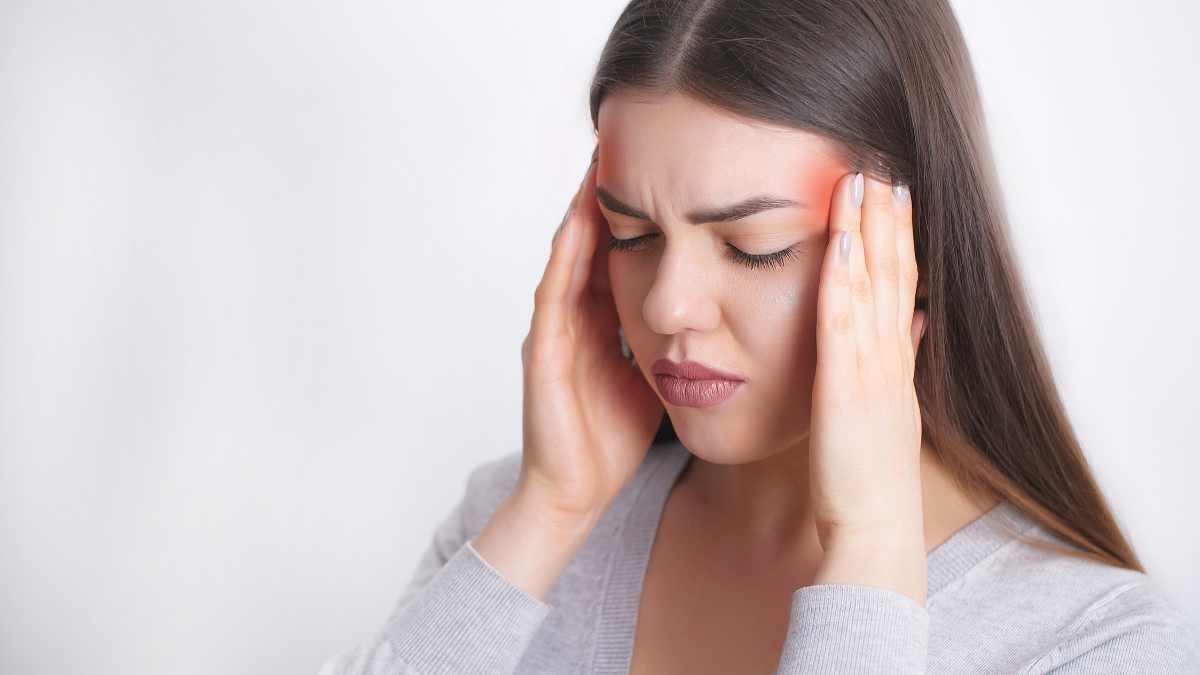
Anxiety headaches often present as a dull, persistent pain that can feel like a tight band around the head. This sensation may vary in intensity, ranging from mild discomfort to severe pain that can interfere with daily activities. Individuals may also experience a sense of pressure or heaviness in the head, particularly around the forehead and temples.
In addition to the primary headache pain, other symptoms may accompany anxiety headaches. These can include tension in the neck and shoulders, sensitivity to light and sound, and difficulty concentrating. Some individuals might also report feelings of fatigue, irritability, and restlessness, which can exacerbate the headache experience.
Another hallmark of anxiety headaches is their episodic nature. They may occur sporadically or become more frequent during periods of heightened stress or anxiety. This cyclical pattern can create a feedback loop where anxiety leads to headaches, which in turn increases anxiety, making it crucial to address both the headache and the underlying anxiety.
Finally, while anxiety headaches can be debilitating, they are typically not accompanied by the additional symptoms often associated with migraines, such as nausea or vomiting. This distinction is important for individuals seeking to understand their headache experiences better.
The Physiological Mechanisms Behind Anxiety Headaches
The connection between anxiety and headaches can be traced to several physiological mechanisms. One primary factor is the body’s stress response, which triggers the release of stress hormones like cortisol and adrenaline. These hormones prepare the body for a fight-or-flight response, leading to muscle tension, particularly in the neck and shoulders, which can contribute to headache development.
Moreover, anxiety can lead to changes in blood flow and oxygenation in the brain. During episodes of heightened anxiety, blood vessels may constrict or dilate abnormally, resulting in altered blood flow that can provoke headache pain. This vascular response is often exacerbated by hyperventilation, a common symptom of anxiety, which can lead to decreased carbon dioxide levels in the blood and further contribute to headache symptoms.
Additionally, chronic anxiety may lead to neurotransmitter imbalances, particularly involving serotonin and norepinephrine. These neurotransmitters play a crucial role in pain perception and mood regulation. Disruptions in their levels can heighten sensitivity to pain and increase the likelihood of headache occurrences.
Lastly, the psychosomatic relationship between anxiety and physical symptoms cannot be overlooked. The brain’s perception of stress can manifest as physical discomfort, including headaches, highlighting the intricate connection between mental and physical health.
Distinguishing Anxiety Headaches from Other Headache Types
To effectively manage headaches, it is essential to distinguish anxiety headaches from other headache types, such as migraines and tension-type headaches. Migraines are often characterized by unilateral throbbing pain, sensitivity to light and sound, and may include aura symptoms like visual disturbances. In contrast, anxiety headaches typically present as bilateral, dull pain without the severe intensity or accompanying symptoms of migraines.
Tension-type headaches, on the other hand, share some similarities with anxiety headaches, as both can involve muscle tension and a feeling of pressure. However, tension-type headaches are generally more localized and do not fluctuate in intensity as dramatically as anxiety headaches. They may also occur independently of anxiety levels, whereas anxiety headaches are closely tied to emotional stressors.
Another differentiating factor is the duration of the headaches. Anxiety headaches can last for several hours to days, often correlating with the individual’s anxiety levels. In contrast, migraines can last from a few hours to several days and may require specific treatments to alleviate.
Understanding these distinctions is crucial for individuals experiencing headaches, as it can guide them toward appropriate treatment options and strategies for relief.
Common Triggers and Risk Factors for Anxiety Headaches
Several triggers can precipitate anxiety headaches, with stress being the most significant. High-stress situations, such as work deadlines, personal conflicts, or significant life changes, can lead to increased anxiety levels, resulting in headache development.
Additionally, poor sleep quality is a common risk factor. Individuals who struggle with anxiety often experience sleep disturbances, which can exacerbate headache symptoms. Lack of restorative sleep can lead to increased muscle tension and heightened sensitivity to pain, making headaches more likely.
Dehydration is another contributing factor. Individuals experiencing anxiety may neglect their hydration needs, leading to dehydration headaches that can mimic anxiety headaches. Furthermore, excessive caffeine consumption can also trigger headaches, as caffeine withdrawal or overconsumption can lead to increased anxiety and headache occurrences.
Lastly, poor posture and prolonged screen time can contribute to muscle tension and headaches. Individuals with anxiety may find themselves hunched over their devices, exacerbating neck and shoulder tension and leading to headaches.
Effective Management Strategies for Anxiety Headaches
Managing anxiety headaches involves a multifaceted approach that addresses both the headache symptoms and the underlying anxiety. Relaxation techniques, such as deep breathing exercises, progressive muscle relaxation, and mindfulness meditation, can help reduce anxiety levels and alleviate headache pain. These practices promote relaxation and can be integrated into daily routines to manage stress more effectively.
Physical activity is another effective strategy. Regular exercise has been shown to reduce anxiety and improve overall well-being. Activities such as yoga, walking, or swimming can help release tension and improve mood, which may, in turn, reduce the frequency of anxiety headaches.
Hydration and nutrition also play a critical role in headache management. Ensuring adequate fluid intake and maintaining a balanced diet can help prevent dehydration-related headaches. Additionally, avoiding excessive caffeine and alcohol can further reduce the likelihood of headache occurrences.
Lastly, it may be beneficial to seek cognitive-behavioral therapy (CBT) or other therapeutic interventions. CBT can help individuals identify and modify negative thought patterns and behaviors associated with anxiety, leading to improved coping strategies and reduced headache frequency.
When to Seek Professional Help for Anxiety Headaches
While many individuals can manage anxiety headaches with self-care strategies, there are times when seeking professional help is essential. If headaches become chronic, significantly impact daily life, or are accompanied by other concerning symptoms, it is crucial to consult a healthcare professional.
Additionally, if anxiety levels are overwhelming and interfere with daily functioning, professional support may be necessary. Mental health professionals can provide tailored treatment plans, including therapy and medication, to address both anxiety and headache symptoms effectively.
Individuals should also seek help if they experience new or unusual headache patterns, such as sudden onset, severe pain, or headaches that worsen over time. These changes may indicate an underlying medical condition that requires further evaluation.
In summary, recognizing when to seek professional assistance is vital for managing anxiety headaches and improving overall quality of life.
Conclusions:
Anxiety headaches can be a challenging and often misunderstood condition. Understanding their symptoms, physiological mechanisms, and distinguishing features is essential for effective management. By identifying common triggers and employing various management strategies, individuals can alleviate their symptoms and improve their well-being. However, it is crucial to recognize when professional help is needed to address both anxiety and headache concerns comprehensively.
Read more
- American Migraine Foundation – A comprehensive resource for understanding different types of headaches and their management.
- Anxiety and Depression Association of America – Provides information on anxiety disorders and their physical manifestations, including headaches.
- Mayo Clinic – Offers insights into headache types, symptoms, and treatment options.
- Cleveland Clinic – A reliable source for understanding the relationship between anxiety and headaches.
- National Institute of Mental Health – Provides research-based information on anxiety disorders and their impact on physical health.