Introduction:
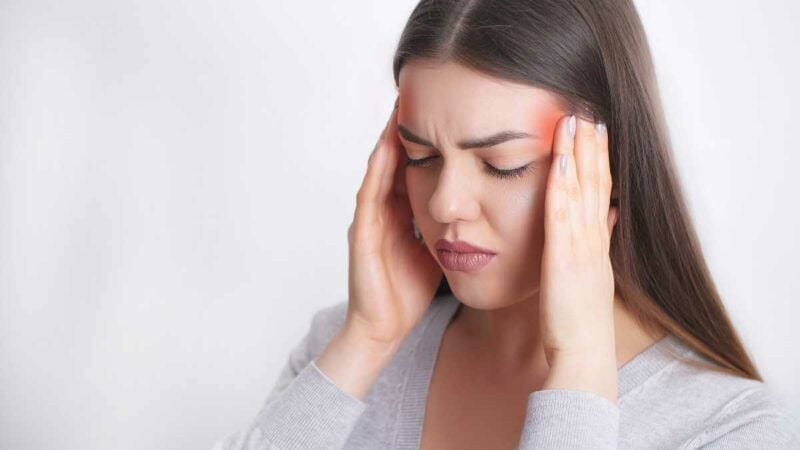
Headaches are a common ailment that can significantly impact daily life. They manifest in various forms, ranging from tension headaches to migraines, each with distinct symptoms and triggers. Understanding where to apply pressure or rub during a headache can provide immediate relief and enhance overall well-being. This article explores the types of headaches, the role of acupressure, key pressure points, anatomical considerations, evidence-based approaches, and recommendations for integrating rubbing techniques into headache management.
Understanding Headache Types and Their Symptoms
Headaches can be classified into several categories, with the most prevalent being tension headaches, migraines, and cluster headaches. Tension headaches are often characterized by a dull, aching sensation and tightness around the forehead or back of the head. They are frequently triggered by stress, poor posture, or fatigue. Migraines, on the other hand, are more severe and can be accompanied by nausea, vomiting, and sensitivity to light and sound. They may last from a few hours to several days and are often linked to hormonal changes or certain food triggers.
Cluster headaches are less common but extremely painful, often occurring in cyclical patterns or clusters. They typically affect one side of the head and can be accompanied by nasal congestion and tearing of the eye. Understanding the type of headache one is experiencing is crucial for selecting appropriate relief techniques, including the use of acupressure and rubbing.
Symptoms can vary widely, but common indicators include throbbing or pulsating pain, sensitivity to light or sound, and localized discomfort. Identifying these symptoms can help individuals determine the most effective methods for alleviating their pain.
In addition to the physical symptoms, headaches can also have psychological effects, leading to anxiety and irritability. Recognizing the interplay between physical and emotional factors is essential in developing a comprehensive approach to headache management.
The Role of Acupressure in Pain Relief Techniques
Acupressure is an ancient healing practice rooted in Traditional Chinese Medicine that involves applying pressure to specific points on the body. This technique is believed to stimulate the body’s natural healing processes and promote relaxation. By targeting specific acupressure points, individuals may experience significant relief from headache pain.
Research indicates that acupressure can be particularly effective for tension headaches and migraines. The application of pressure to certain points can help release muscle tension and improve blood circulation, which may alleviate headache symptoms. Moreover, acupressure is a non-invasive and drug-free method that can be easily integrated into daily routines.
The effectiveness of acupressure for headache relief is supported by various studies that highlight its potential to reduce the frequency and severity of headaches. By understanding the principles of acupressure, individuals can empower themselves to take control of their headache management.
Incorporating acupressure into a headache relief regimen can serve as a complementary therapy alongside other treatments, such as medication or lifestyle changes. This holistic approach can enhance overall well-being and reduce reliance on pharmaceuticals.
Key Pressure Points for Tension and Migraine Headaches
Several acupressure points are particularly effective for alleviating tension and migraine headaches. One of the most well-known points is LI4 (Hegu), located in the webbing between the thumb and index finger. Applying firm pressure to this point can help relieve tension and reduce headache pain.
Another important point is GB20 (Fengchi), situated at the base of the skull, just below the occipital bone. Rubbing this area can help alleviate neck tension and improve blood flow to the head, providing relief from headaches. Additionally, Yintang, located between the eyebrows, is known for its calming effects and can be beneficial for stress-related headaches.
For migraines, the PC6 (Neiguan) point, located on the inner forearm, can be particularly effective. This point is believed to help regulate the flow of energy in the body and alleviate nausea often associated with migraines. By focusing on these key pressure points, individuals can tailor their acupressure techniques to their specific headache type.
Incorporating these pressure points into a regular self-care routine can help individuals manage their headaches more effectively. Learning to identify and stimulate these points can empower individuals to take proactive steps toward headache relief.
Anatomical Considerations for Effective Rubbing Techniques
Understanding the anatomy of the head and neck is essential for effective rubbing techniques during a headache. The muscles and nerves in these areas play a significant role in headache development and can be targeted for relief. For instance, the trapezius and sternocleidomastoid muscles often contribute to tension headaches when they become tight or strained.
When rubbing the temples or the base of the skull, it is important to apply pressure gently yet firmly. The occipital nerves can be particularly sensitive, and excessive pressure may lead to discomfort. Therefore, using a combination of circular motions and gentle kneading can help alleviate tension without causing additional pain.
Additionally, understanding the vascular system in the head can provide insights into headache management. Increased blood flow to the brain can exacerbate migraine symptoms, while improved circulation can help relieve tension headaches. Rubbing techniques that promote relaxation and blood flow can be beneficial in managing headache symptoms.
Incorporating knowledge of anatomy into rubbing techniques can enhance their effectiveness. By being mindful of the body’s structure, individuals can apply pressure in a way that maximizes relief and minimizes discomfort.
Evidence-Based Approaches to Headache Management
Evidence-based approaches to headache management emphasize the importance of integrating various treatment modalities. Research supports the use of acupressure as a complementary therapy for headache relief, with studies demonstrating its effectiveness in reducing pain intensity and frequency.
In addition to acupressure, other evidence-based techniques include cognitive-behavioral therapy, biofeedback, and relaxation training. These methods can help individuals manage stress and anxiety, which are common triggers for headaches. By addressing the psychological aspects of headache management, individuals can develop a more comprehensive approach to their care.
Pharmacological treatments also play a crucial role in headache management. Nonsteroidal anti-inflammatory drugs (NSAIDs) and triptans are commonly prescribed for migraine relief, while over-the-counter pain relievers can be effective for tension headaches. However, it is essential to use medications judiciously to avoid rebound headaches.
Combining pharmacological treatments with non-pharmacological approaches, such as acupressure and relaxation techniques, can lead to improved outcomes for individuals suffering from headaches. This multifaceted approach allows for a more personalized treatment plan that addresses both the physical and emotional aspects of headache management.
Recommendations for Integrating Rubbing into Treatment Plans
Integrating rubbing techniques into a comprehensive headache treatment plan can enhance overall effectiveness. Individuals are encouraged to establish a regular routine that includes acupressure and rubbing to manage headache symptoms proactively. This can involve setting aside time each day for self-care practices that focus on relaxation and tension relief.
Additionally, individuals should consider keeping a headache diary to identify patterns and triggers. By tracking the frequency, duration, and intensity of headaches, individuals can better understand their unique headache profile and tailor their rubbing techniques accordingly.
It is also beneficial to educate oneself about various rubbing techniques and pressure points. Online resources, workshops, or consultations with healthcare professionals can provide valuable insights into effective methods for headache relief.
Finally, individuals should remain open to adjusting their treatment plans as needed. Headaches can be influenced by a variety of factors, including lifestyle changes, stress levels, and overall health. Regularly reassessing and adapting treatment strategies can lead to more effective headache management over time.
Conclusions:
Headaches are a complex condition that can significantly affect quality of life. By understanding the different types of headaches, the role of acupressure, and effective rubbing techniques, individuals can take proactive steps toward managing their symptoms. Integrating evidence-based approaches and personalized treatment plans can lead to improved outcomes and enhanced well-being.
Read more:
- American Migraine Foundation – A comprehensive resource for understanding migraines and effective management strategies.
- Mayo Clinic – Headache – Provides detailed information on headache types, symptoms, and treatment options.
- National Institute of Neurological Disorders and Stroke – Offers research-based information on neurological disorders, including headaches.
- Cleveland Clinic – Acupressure for Headaches – Discusses the benefits of acupressure and specific techniques for headache relief.
- WebMD – Headache Relief – A guide to various headache relief methods, including acupressure and lifestyle changes.