

Introduction:
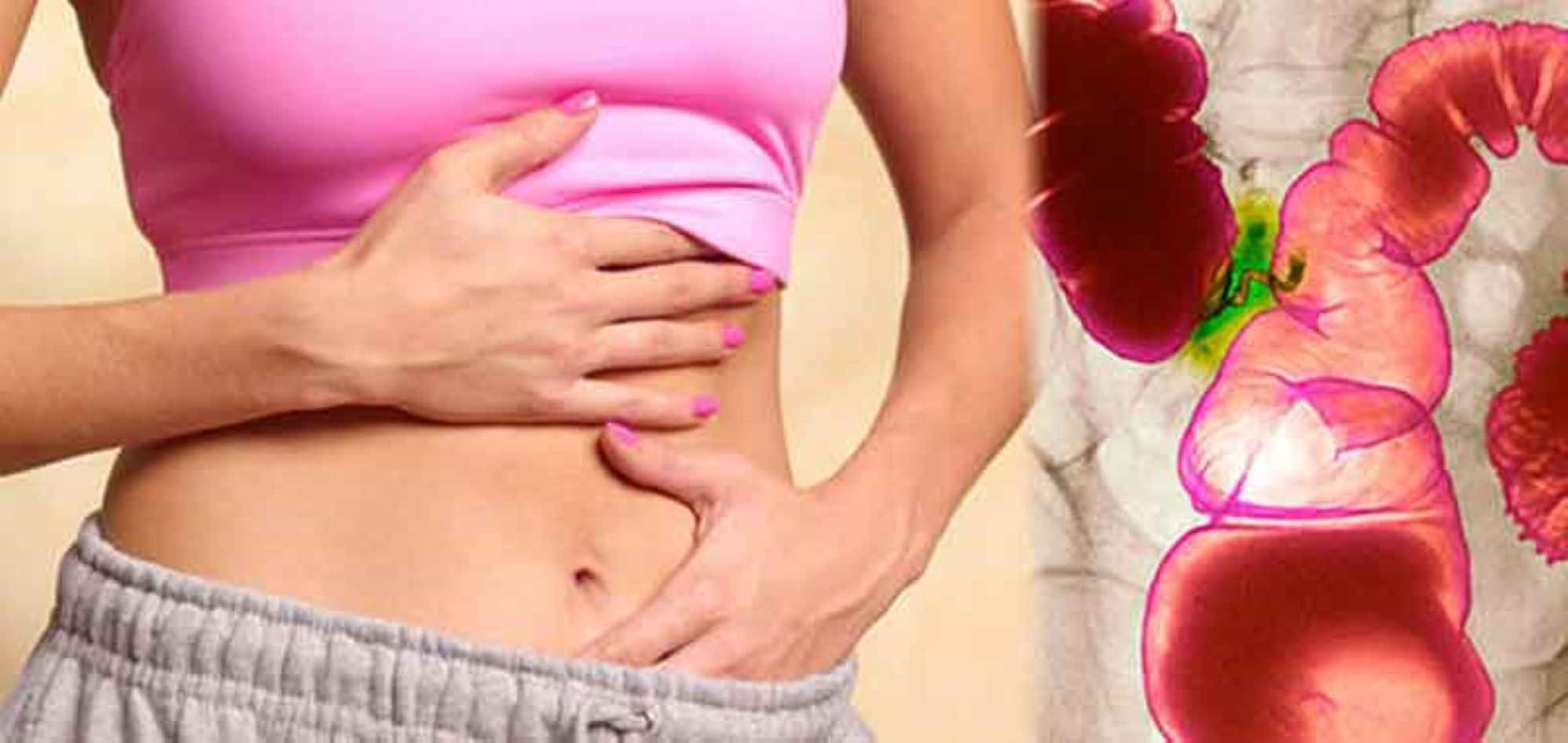
Irritable Bowel Syndrome (IBS) is a common gastrointestinal disorder characterized by symptoms such as abdominal pain, bloating, and altered bowel habits. As researchers delve deeper into the complexities of gut health, the role of gut microbiota and the potential of probiotics have gained significant attention. This article explores the relationship between probiotics and IBS, examining their mechanisms, potential benefits, and clinical recommendations for individuals suffering from this condition.
Understanding Irritable Bowel Syndrome: A Brief Overview
Irritable Bowel Syndrome is classified as a functional gastrointestinal disorder, meaning it is characterized by symptoms without any identifiable organic cause. The prevalence of IBS varies globally, affecting approximately 10-15% of the population. Symptoms can range from diarrhea-dominant to constipation-dominant forms, often leading to significant discomfort and a reduced quality of life. The exact etiology of IBS remains unclear, but factors such as stress, diet, and gut microbiota are believed to play crucial roles.
The diagnosis of IBS is primarily based on clinical criteria, notably the Rome IV criteria, which emphasize symptom patterns over time. Patients often report a combination of abdominal pain and changes in bowel habits, which can fluctuate in severity. Importantly, IBS is not a life-threatening condition; however, it can lead to chronic disability and psychological distress, making effective management essential.
Recent research has highlighted the importance of the gut-brain axis, which refers to the bidirectional communication between the gastrointestinal tract and the central nervous system. This connection may explain why psychological factors, such as anxiety and depression, frequently co-occur with IBS. Understanding these relationships is vital for developing comprehensive treatment strategies.
As the medical community continues to explore the intricacies of IBS, the focus on gut microbiota has intensified. Alterations in the composition and diversity of gut bacteria have been linked to IBS symptoms, prompting interest in potential therapeutic interventions such as probiotics.
The Role of Gut Microbiota in Digestive Health
Gut microbiota refers to the diverse community of microorganisms residing in the gastrointestinal tract, playing a pivotal role in digestion, metabolism, and immune function. A balanced gut microbiota is essential for maintaining digestive health, and disruptions in this balance, known as dysbiosis, have been implicated in various gastrointestinal disorders, including IBS.
Research indicates that individuals with IBS often exhibit altered gut microbiota profiles compared to healthy individuals. These changes may manifest as reduced microbial diversity and an overabundance of certain bacterial species. Such dysbiosis can lead to increased intestinal permeability, inflammation, and altered gut motility, all of which contribute to the hallmark symptoms of IBS.
The gut microbiota also interacts with the immune system, influencing inflammatory responses and gut barrier function. This connection underscores the potential for targeting gut microbiota as a therapeutic strategy for IBS. Probiotics, which are live microorganisms that confer health benefits when consumed in adequate amounts, have emerged as a promising approach to restoring microbial balance.
Understanding the role of gut microbiota in IBS is crucial for developing effective treatment modalities. By modulating the gut microbiome through dietary interventions or probiotic supplementation, it may be possible to alleviate symptoms and improve the overall quality of life for individuals with IBS.
What Are Probiotics? Mechanisms and Types Explained
Probiotics are defined as live microorganisms that, when administered in adequate amounts, confer a health benefit on the host. They are primarily bacteria, but some yeasts also fall under this category. Common strains used in probiotic formulations include Lactobacillus, Bifidobacterium, and Saccharomyces boulardii, each with unique properties and potential health benefits.
The mechanisms through which probiotics exert their effects are multifaceted. They can enhance gut barrier function, modulate immune responses, and produce short-chain fatty acids (SCFAs) through fermentation, which can have anti-inflammatory effects. Additionally, probiotics may compete with pathogenic bacteria for resources, thereby inhibiting their growth and promoting a healthier gut environment.
Probiotics can be administered through dietary sources, such as fermented foods like yogurt, kefir, and sauerkraut, or through dietary supplements. The choice of probiotic strain and formulation is critical, as different strains may have varying effects on gut health and IBS symptoms. Therefore, understanding the specific strains and their mechanisms is essential for tailoring probiotic therapy to individual needs.
Research continues to explore the optimal dosages, formulations, and treatment durations for probiotics in managing IBS. As our understanding of the gut microbiome evolves, the potential for personalized probiotic therapies tailored to individual microbiota profiles may become a reality.
Evidence-Based Research on Probiotics for IBS Management
Numerous studies have investigated the efficacy of probiotics in managing IBS symptoms, with varying results. A systematic review and meta-analysis of randomized controlled trials indicated that certain probiotic strains, particularly Lactobacillus and Bifidobacterium, may significantly reduce overall IBS symptoms, including abdominal pain and bloating.
One notable study found that patients with IBS who received a specific probiotic formulation experienced a marked improvement in symptoms compared to those receiving a placebo. The effects were particularly pronounced in individuals with diarrhea-predominant IBS, suggesting that specific strains may be more effective for certain subtypes of the disorder.
Despite the promising findings, not all studies have shown consistent benefits. Variability in study design, probiotic strains, dosages, and patient populations can contribute to mixed outcomes. As a result, more rigorous, large-scale trials are needed to establish definitive conclusions regarding the efficacy of probiotics for IBS.
In summary, while evidence suggests that probiotics may offer symptom relief for some individuals with IBS, the variability in response highlights the need for personalized approaches to treatment. Clinicians should consider individual patient characteristics and specific probiotic strains when recommending probiotic therapy for IBS management.
Potential Benefits and Risks of Probiotic Use in IBS
The potential benefits of probiotics for individuals with IBS are numerous. Many patients report improvements in symptoms such as abdominal pain, bloating, and irregular bowel habits. Probiotics may also enhance overall gut health by restoring microbial balance and improving gut barrier function, which can be particularly beneficial for those with dysbiosis.
Moreover, probiotics may offer a safer alternative to pharmacological treatments, which can have side effects and may not be suitable for all patients. As a result, probiotics are increasingly viewed as a complementary approach to managing IBS, particularly for those seeking natural remedies.
However, it is essential to consider the potential risks associated with probiotic use. While generally regarded as safe for most individuals, probiotics can cause adverse effects in some cases, such as gastrointestinal discomfort or infections, particularly in immunocompromised individuals. Additionally, the quality and potency of probiotic supplements can vary significantly between products, leading to inconsistent results.
In light of these considerations, it is crucial for patients to consult healthcare professionals before initiating probiotic therapy. A thorough evaluation of individual health status, potential contraindications, and appropriate strain selection can help mitigate risks and enhance the likelihood of achieving desired outcomes.
Clinical Recommendations for Probiotic Supplementation in IBS
When considering probiotic supplementation for IBS, healthcare providers should adopt a personalized approach tailored to the individual’s specific symptoms and microbiota profile. It is advisable to select probiotics with evidence supporting their efficacy for IBS, particularly those containing well-studied strains such as Lactobacillus and Bifidobacterium.
Patients should be informed about the importance of consistency in probiotic use, as benefits may take time to manifest. A trial period of at least four to eight weeks is often recommended to assess the effectiveness of the chosen probiotic formulation. During this time, patients should be encouraged to maintain a symptom diary to track changes in their condition.
Furthermore, clinicians should educate patients about the potential for dietary modifications to complement probiotic therapy. A diet rich in prebiotics, which are non-digestible fibers that promote the growth of beneficial bacteria, can enhance the effects of probiotics and support overall gut health.
Finally, ongoing monitoring and follow-up are essential to evaluate the effectiveness of probiotic therapy and make necessary adjustments. By fostering a collaborative approach between patients and healthcare providers, the management of IBS can be optimized, leading to improved outcomes and enhanced quality of life.
Conclusions:
The relationship between probiotics and IBS is complex, with emerging evidence suggesting that certain probiotic strains may provide symptom relief for some individuals. While probiotics offer potential benefits, their effectiveness can vary based on individual factors and specific strains used. As research continues to evolve, personalized approaches to probiotic therapy may enhance the management of IBS, providing patients with a valuable tool in their treatment arsenal.
Read more
- National Institute of Diabetes and Digestive and Kidney Diseases (NIDDK) – Comprehensive information on IBS, including symptoms, causes, and treatment options.
- American Gastroenterological Association (AGA) – Clinical guidelines and recommendations for the management of IBS.
- World Gastroenterology Organisation (WGO) – Global guidelines on IBS, including the role of probiotics in treatment.
- Cochrane Database of Systematic Reviews – A repository of systematic reviews, including studies on probiotics for IBS management.
- Journal of Clinical Gastroenterology – A peer-reviewed article discussing the efficacy of probiotics in IBS patients.