

Introduction:
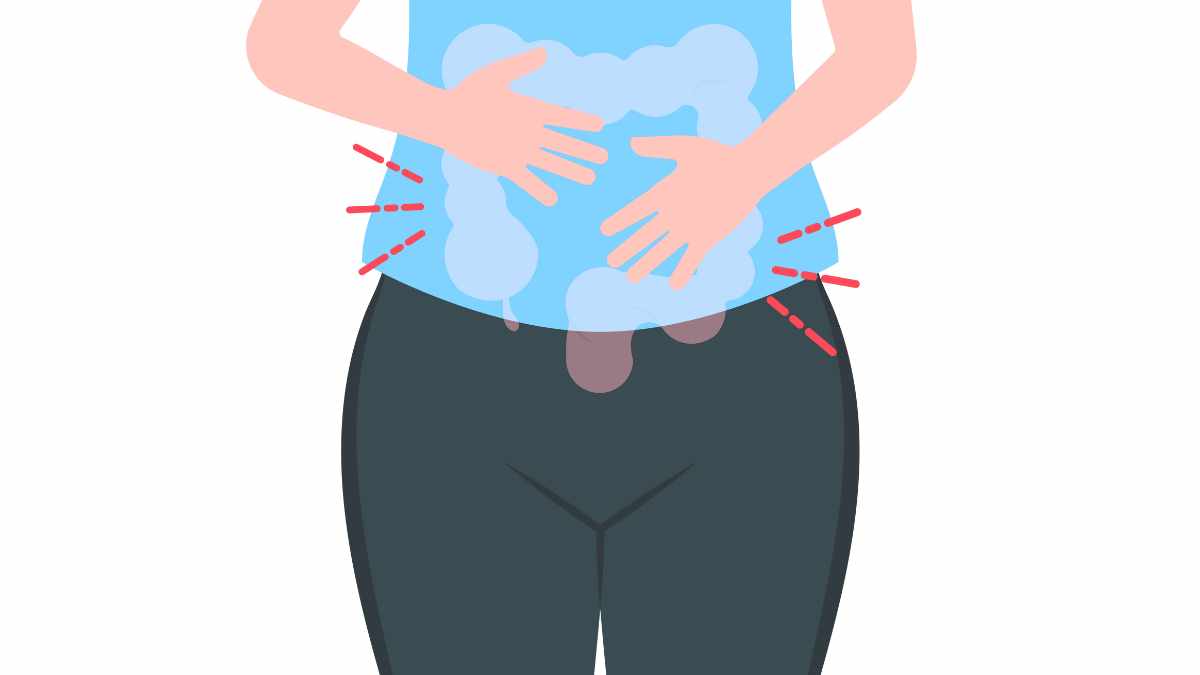
Irritable Bowel Syndrome (IBS) is a chronic gastrointestinal disorder characterized by a constellation of symptoms, including abdominal pain, bloating, and altered bowel habits. While the exact etiology of IBS remains elusive, there is growing recognition of the role that psychological factors, particularly stress, may play in exacerbating symptoms. This article explores the intricate relationship between stress and IBS, delving into the mechanisms by which stress can influence gastrointestinal function and offering strategies for effective management.
Understanding Irritable Bowel Syndrome: An Overview
Irritable Bowel Syndrome is classified as a functional gastrointestinal disorder, meaning that it is diagnosed based on symptoms rather than structural abnormalities. Patients often experience a range of symptoms that can vary in intensity and frequency, leading to significant discomfort and disruption in daily life. The condition affects an estimated 10-15% of the global population, with a higher prevalence reported among women.
The symptoms of IBS can be broadly categorized into three types: IBS with constipation (IBS-C), IBS with diarrhea (IBS-D), and mixed IBS (IBS-M). This classification is crucial for tailoring treatment approaches, as the management strategies may differ significantly based on the predominant symptomatology. Despite its prevalence, the pathophysiology of IBS remains poorly understood, with multiple factors, including diet, gut microbiota, and psychological stress, contributing to its manifestation.
Research indicates that IBS is often comorbid with various psychological disorders, including anxiety and depression. This comorbidity complicates the clinical picture, as psychological distress can exacerbate gastrointestinal symptoms. Understanding the multifaceted nature of IBS is essential for developing effective treatment plans that address both physical and psychological components of the disorder.
In clinical practice, a thorough assessment of the patient’s history, including psychosocial factors, is vital for diagnosing IBS. This comprehensive approach allows healthcare providers to identify potential triggers and develop personalized management strategies that can significantly improve the patient’s quality of life.
The Gut-Brain Connection: How Stress Affects Digestion
The gut-brain axis is a bidirectional communication network linking the central nervous system (CNS) and the enteric nervous system (ENS), which governs gastrointestinal function. This connection underscores the profound impact that psychological states can have on digestive health. Stress activates the hypothalamic-pituitary-adrenal (HPA) axis, leading to the release of stress hormones such as cortisol. These hormones can alter gut motility, increase intestinal permeability, and affect the composition of gut microbiota.
When an individual experiences stress, the body’s fight-or-flight response is triggered, diverting blood flow away from the digestive tract and inhibiting normal gastrointestinal functions. This physiological response can lead to symptoms such as cramping, diarrhea, or constipation, all of which are commonly reported by IBS patients. Furthermore, chronic stress can lead to persistent dysregulation of the gut-brain axis, perpetuating a cycle of gastrointestinal distress.
Neurotransmitters, such as serotonin, also play a critical role in the gut-brain connection. Approximately 90% of the body’s serotonin is produced in the gut, and it significantly influences gut motility and sensitivity. Stress can disrupt serotonin levels, further complicating the symptomatology of IBS. Understanding this connection is crucial for developing therapeutic interventions that target both psychological and gastrointestinal aspects of the disorder.
Moreover, the psychological impact of living with a chronic condition like IBS can lead to increased anxiety and depression, creating a vicious cycle that exacerbates both stress and gastrointestinal symptoms. This highlights the importance of addressing stress management as a key component in the holistic treatment of IBS.
Evidence Linking Stress to IBS Symptoms and Flare-Ups
Numerous studies have established a strong correlation between stress and the exacerbation of IBS symptoms. Research indicates that patients with IBS often report heightened sensitivity to stress and emotional distress, which can precipitate flare-ups. A study published in the journal Gastroenterology found that stress significantly increased the likelihood of symptom recurrence in IBS patients, highlighting the need for effective stress management strategies.
Additionally, a meta-analysis of various studies revealed that psychological interventions, such as cognitive-behavioral therapy (CBT) and mindfulness-based stress reduction, can lead to significant improvements in IBS symptoms. These findings suggest that addressing psychological factors is not merely ancillary but central to the effective management of IBS.
Furthermore, stress-induced changes in the gut microbiome have been documented. Research indicates that stress can lead to dysbiosis, an imbalance in gut bacteria, which may contribute to the pathophysiology of IBS. This underscores the importance of considering both psychological and microbiological factors in understanding the complexities of IBS.
In clinical settings, healthcare providers are increasingly recognizing the need for a biopsychosocial approach to IBS management. This involves integrating psychological support into the treatment plan, thereby addressing the multifactorial nature of the disorder and improving patient outcomes.
Mechanisms of Stress-Induced Gastrointestinal Dysfunction
The mechanisms by which stress induces gastrointestinal dysfunction are multifaceted and involve both physiological and biochemical pathways. One primary mechanism is the alteration of gut motility, which can lead to symptoms such as diarrhea or constipation. Stress can increase colonic motility, resulting in rapid transit times and diarrhea, or it can slow down motility, leading to constipation.
Another significant mechanism involves the disruption of the gut barrier function. Chronic stress can increase intestinal permeability, often referred to as "leaky gut," allowing toxins and bacteria to enter the bloodstream. This can trigger an immune response, exacerbating inflammation and contributing to the symptoms of IBS.
Moreover, stress can influence the secretion of gastrointestinal hormones, such as gastrin and secretin, which play critical roles in digestion. Dysregulation of these hormones can lead to impaired digestive processes, further complicating the clinical picture of IBS. The interplay between stress and these hormonal changes highlights the need for a comprehensive understanding of how psychological factors can impact gastrointestinal health.
Finally, the role of inflammation in stress-induced gastrointestinal dysfunction cannot be overlooked. Chronic stress has been linked to increased levels of pro-inflammatory cytokines, which can exacerbate symptoms in individuals with IBS. This inflammatory response may contribute to the heightened sensitivity and pain often reported by IBS patients, underscoring the importance of addressing both stress and inflammation in treatment strategies.
Psychological Factors and Their Role in IBS Management
Psychological factors play a pivotal role in the management of IBS, as they can significantly influence symptom severity and patient outcomes. Anxiety, depression, and stress are commonly reported among IBS patients, often leading to a cycle of worsening symptoms and increased psychological distress. Therefore, addressing these psychological components is essential for effective treatment.
Cognitive-behavioral therapy (CBT) has emerged as a promising intervention for IBS management. CBT focuses on identifying and modifying negative thought patterns and behaviors, helping patients develop coping strategies for managing stress and anxiety. Research has shown that CBT can lead to significant improvements in both psychological well-being and gastrointestinal symptoms, making it a valuable component of a comprehensive treatment plan.
Mindfulness-based interventions, including mindfulness meditation and yoga, have also gained traction as effective strategies for IBS management. These practices promote relaxation and stress reduction, which can help alleviate gastrointestinal symptoms. Studies indicate that mindfulness practices can lead to improvements in quality of life and reduced symptom severity in IBS patients.
In addition to formal therapeutic interventions, self-care strategies such as regular exercise, adequate sleep, and a balanced diet can also play a crucial role in managing psychological factors associated with IBS. Encouraging patients to adopt a holistic approach to their health can empower them to take an active role in their treatment and improve their overall well-being.
Strategies for Stress Reduction in IBS Patients: A Review
Effective stress reduction strategies are essential for managing IBS symptoms and improving patients’ quality of life. One of the most widely recommended approaches is the incorporation of regular physical activity. Exercise has been shown to reduce stress levels, improve mood, and enhance gastrointestinal function. Engaging in activities such as walking, swimming, or yoga can provide both physical and psychological benefits for IBS patients.
Mindfulness and relaxation techniques are also beneficial for stress reduction. Practices such as deep breathing exercises, progressive muscle relaxation, and guided imagery can help patients manage stress and anxiety. These techniques promote relaxation and can lead to a reduction in gastrointestinal symptoms by calming the nervous system.
Dietary modifications can also play a role in stress management for IBS patients. A diet rich in fiber, probiotics, and prebiotics can support gut health and improve overall digestive function. Additionally, identifying and avoiding trigger foods can help reduce symptoms and minimize stress related to dietary choices.
Finally, social support is a crucial component of stress management for individuals with IBS. Encouraging patients to connect with support groups or engage in open discussions with friends and family can provide emotional relief and foster a sense of community. Building a strong support network can empower patients to cope with the challenges of living with IBS and reduce the psychological burden associated with the condition.
Conclusions:
The relationship between stress and Irritable Bowel Syndrome is complex and multifaceted. Understanding the gut-brain connection, the mechanisms of stress-induced gastrointestinal dysfunction, and the psychological factors involved is essential for effective management. By integrating stress reduction strategies into treatment plans, healthcare providers can significantly improve the quality of life for IBS patients. A holistic approach that addresses both the physical and psychological aspects of the disorder is crucial for achieving optimal outcomes.
Read more
-
Gastroenterology – The Role of Psychological Factors in IBS
A comprehensive review of how psychological factors influence IBS symptoms and management.
Link -
American Journal of Gastroenterology – Stress and IBS: A Meta-Analysis
This meta-analysis examines the relationship between stress and IBS, highlighting the need for psychological interventions.
Link -
National Institute of Diabetes and Digestive and Kidney Diseases – IBS Overview
An overview of IBS, including symptoms, causes, and treatment options, with a focus on the impact of stress.
Link -
Psychosomatic Medicine – Mindfulness and IBS
A study exploring the effects of mindfulness-based interventions on IBS symptoms and psychological well-being.
Link -
Harvard Health Publishing – The Gut-Brain Connection
An article discussing the gut-brain axis and its implications for gastrointestinal health and stress management.
Link