

Introduction:
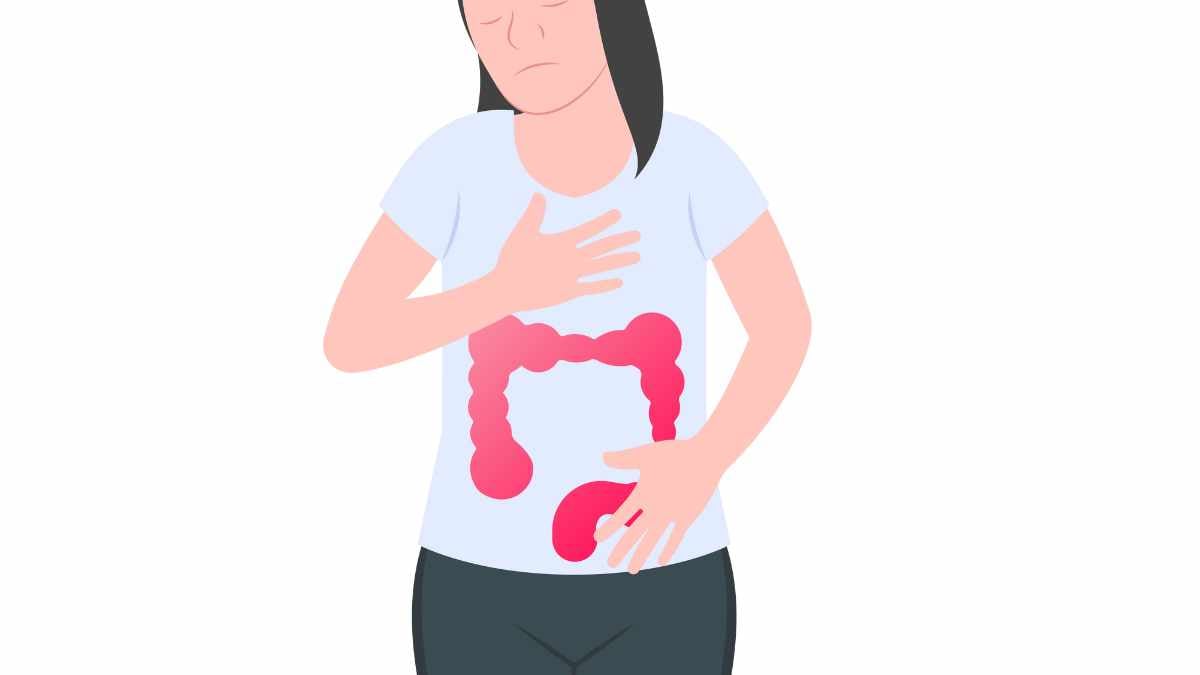
Irritable Bowel Syndrome (IBS) is a common gastrointestinal disorder characterized by a range of symptoms, including abdominal pain, bloating, and altered bowel habits. While the primary focus of IBS is often on digestive discomfort, many patients report fluctuations in body weight, leading to questions about the relationship between IBS and weight gain. Understanding this connection is crucial for effective management and support for those living with the condition.
Understanding Irritable Bowel Syndrome (IBS) and Its Symptoms
Irritable Bowel Syndrome is a functional gastrointestinal disorder that affects the large intestine. It is classified as a chronic condition, meaning individuals may experience symptoms over an extended period. Common symptoms include abdominal pain, cramping, bloating, gas, and diarrhea or constipation. The symptoms can vary widely among individuals, leading to a diverse range of experiences and challenges.
The exact cause of IBS remains unclear, though it is believed to involve a combination of factors, including gut-brain interactions, intestinal motility issues, and sensitivity to certain foods. Stress and psychological factors also play a significant role in symptom exacerbation. As such, IBS is often described as a multifactorial condition, requiring a comprehensive approach to management.
Diagnosis typically involves a thorough medical history and the exclusion of other gastrointestinal disorders. There are no definitive tests for IBS, which can complicate the diagnostic process. Patients often undergo various tests to rule out conditions such as inflammatory bowel disease (IBD) or celiac disease, which can present with similar symptoms.
Understanding the symptoms and their variability is essential for both patients and healthcare providers. This awareness can help in developing effective treatment plans and addressing the concerns that arise regarding weight management in IBS patients.
The Relationship Between IBS and Body Weight Fluctuations
Many individuals with IBS report experiencing weight fluctuations, which can manifest as both weight gain and weight loss. These changes can be attributed to several factors, including dietary habits, gastrointestinal symptoms, and psychological influences. The relationship between IBS and body weight is complex and often intertwined with the individual’s overall health and lifestyle choices.
Weight gain in IBS patients may occur due to dietary changes made to alleviate symptoms. For instance, individuals may gravitate towards high-calorie, low-nutrient foods that are easier to digest. This can lead to an increase in caloric intake, contributing to weight gain over time. Additionally, the avoidance of certain foods due to IBS triggers can limit nutritional variety, potentially leading to unhealthy eating patterns.
Conversely, some patients may experience weight loss due to persistent gastrointestinal symptoms that hinder nutrient absorption or lead to reduced appetite. This can create a cycle where the fear of eating exacerbates symptoms, resulting in further weight loss. Understanding these dynamics is crucial for developing a holistic approach to managing IBS and its impact on body weight.
Moreover, the psychological aspects of IBS can also influence weight. Anxiety and depression, which are common in IBS patients, may lead to emotional eating or, conversely, a lack of interest in food. This emotional interplay can complicate the relationship between IBS and body weight, making it essential for healthcare providers to consider both physical and mental health in their treatment plans.
Mechanisms by Which IBS May Contribute to Weight Gain
Several mechanisms may explain how IBS contributes to weight gain. One significant factor is altered gut microbiota, which can influence metabolic processes and appetite regulation. Research has shown that individuals with IBS often have an imbalance in their gut microbiome, which can affect digestion and nutrient absorption, potentially leading to weight changes.
Another contributing factor is intestinal permeability, often referred to as "leaky gut." This condition can result in inflammation and may affect the body’s ability to absorb nutrients effectively. When the gut is compromised, it can lead to increased cravings for high-calorie foods, as the body seeks to compensate for perceived nutrient deficiencies.
Furthermore, the use of certain medications to manage IBS symptoms can also lead to weight gain. For example, some patients may be prescribed medications that have side effects, including increased appetite or fluid retention. Understanding the potential impacts of these treatments is essential for managing weight in IBS patients effectively.
Lastly, hormonal changes associated with IBS can also play a role in weight management. Stress and discomfort can lead to fluctuations in hormones such as cortisol, which is linked to weight gain, particularly around the abdominal area. This hormonal interplay highlights the need for a comprehensive approach to managing IBS that considers both physical and psychological factors.
Dietary Factors Influencing Weight in IBS Patients
Diet plays a crucial role in managing IBS symptoms and, consequently, body weight. Many IBS patients find that certain foods exacerbate their symptoms, leading them to adopt restrictive diets that may not provide adequate nutrition. This can result in weight gain if individuals substitute healthier options with high-calorie, low-nutrient foods that are easier to digest.
The FODMAP diet (Fermentable Oligosaccharides, Disaccharides, Monosaccharides, and Polyols) is often recommended for IBS patients. While this diet can help alleviate symptoms for many, it may also lead to unintended weight gain if not properly balanced. Patients may inadvertently consume more calories by substituting high-FODMAP foods with calorie-dense alternatives.
Additionally, the timing and frequency of meals can impact weight management. Many IBS patients may experience symptoms that lead them to skip meals or eat irregularly. This can result in binge eating or consuming larger portions when they do eat, contributing to weight gain over time. Establishing a regular eating schedule can help mitigate these risks.
Moreover, hydration is often overlooked in dietary management. Dehydration can lead to constipation, a common symptom of IBS, prompting individuals to consume more fiber-rich foods to alleviate discomfort. However, if these foods are high in calories, it may lead to weight gain. Therefore, it is essential for IBS patients to focus on balanced hydration and nutrition to support both digestive health and weight management.
Psychological Impacts of IBS on Eating Behaviors and Weight
The psychological impact of IBS can significantly influence eating behaviors and body weight. Anxiety and stress related to IBS symptoms can lead to emotional eating, where individuals consume food as a coping mechanism. This behavior often involves high-calorie comfort foods, which can contribute to weight gain over time.
Additionally, the fear of experiencing symptoms after eating can lead to restrictive eating patterns. Patients may avoid certain foods or entire food groups, which can create a cycle of anxiety and unhealthy eating habits. This restriction can lead to nutrient deficiencies and weight gain if individuals compensate with calorie-dense alternatives.
Social situations can also pose challenges for individuals with IBS. The anxiety surrounding eating out or attending gatherings can lead to avoidance of these situations, resulting in isolation and potential changes in eating habits. This can further complicate their relationship with food and body weight.
Addressing the psychological aspects of IBS is crucial for effective weight management. Cognitive-behavioral therapy (CBT) and other therapeutic approaches can help individuals develop healthier coping mechanisms and improve their relationship with food. By addressing the mental health components of IBS, patients can better manage their symptoms and maintain a healthy weight.
Strategies for Managing Weight in Individuals with IBS
Effective weight management in individuals with IBS requires a multifaceted approach. First and foremost, it is essential to work closely with healthcare providers, including dietitians and mental health professionals, to develop a personalized plan that addresses both digestive health and weight goals. This collaboration can help ensure that dietary choices are both effective in managing IBS symptoms and conducive to maintaining a healthy weight.
Incorporating a balanced diet that focuses on whole foods, lean proteins, healthy fats, and fiber-rich carbohydrates can support both digestive health and weight management. Patients should aim to identify their specific food triggers and work towards a diet that minimizes symptoms while providing adequate nutrition. Keeping a food diary can be beneficial in tracking symptoms and identifying patterns.
Regular physical activity is another key component of weight management. Exercise can help alleviate some IBS symptoms, improve mood, and promote a healthy weight. Patients should aim for a combination of aerobic exercise and strength training, tailored to their individual capabilities and preferences. Engaging in physical activity can also help reduce stress, which is often a trigger for IBS symptoms.
Lastly, addressing the psychological aspects of IBS is crucial. Mindfulness practices, stress management techniques, and therapy can help individuals cope with the emotional challenges of living with IBS. By fostering a positive relationship with food and body image, patients can better navigate their dietary choices and maintain a healthy weight.
Conclusions:
The relationship between IBS and weight gain is complex and influenced by a variety of factors, including dietary choices, psychological impacts, and physiological mechanisms. While IBS can contribute to weight fluctuations, effective management strategies can help individuals maintain a healthy weight while managing their symptoms. A comprehensive approach that includes dietary modifications, physical activity, and psychological support is essential for achieving optimal health outcomes.
Read more:
- International Foundation for Gastrointestinal Disorders (IFFGD) – A reliable resource for information on IBS, its symptoms, and management strategies.
- American College of Gastroenterology (ACG) – Offers guidelines and insights into the diagnosis and treatment of IBS.
- Mayo Clinic – Irritable Bowel Syndrome – Detailed overview of IBS, including symptoms, causes, and treatment options.
- Harvard Health Publishing – IBS and Diet – Discusses the impact of diet on IBS symptoms and weight management.
- National Institute of Diabetes and Digestive and Kidney Diseases (NIDDK) – Provides comprehensive information on IBS, including research findings and treatment recommendations.