

Introduction:
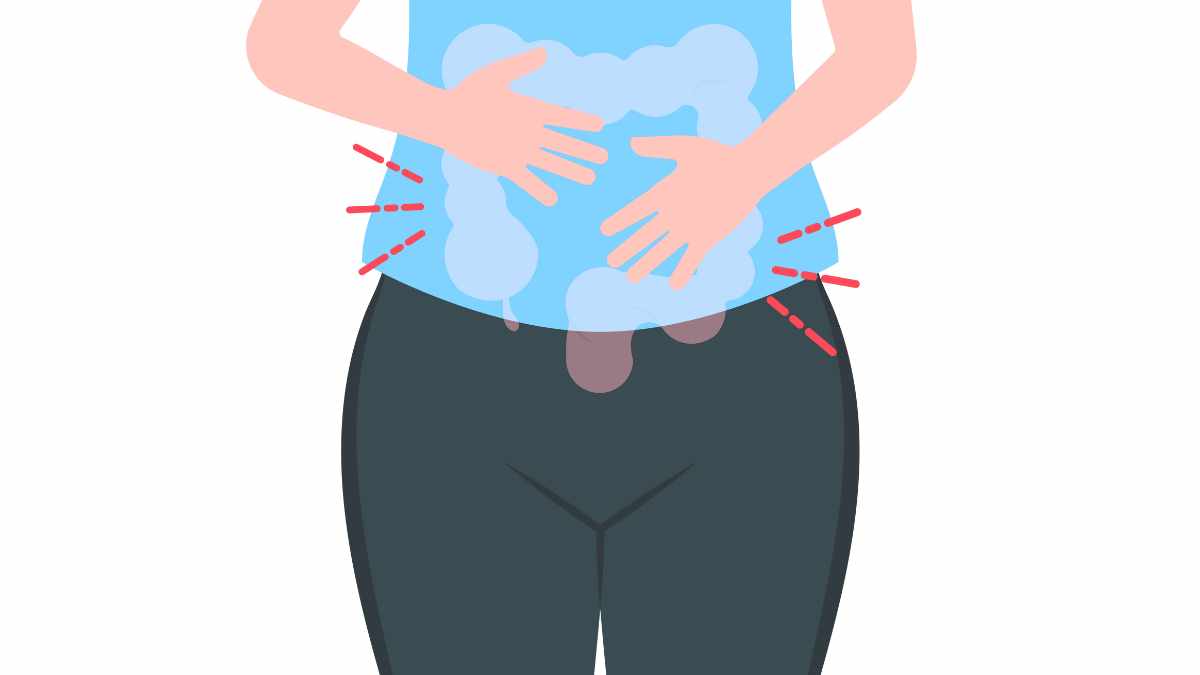
Irritable Bowel Syndrome (IBS) is a prevalent gastrointestinal disorder characterized by symptoms such as abdominal pain, bloating, and altered bowel habits. As individuals seek effective management strategies, the role of hydration, particularly water intake, has garnered attention. This article explores the relationship between water and IBS, examining how proper hydration may influence symptom relief and overall digestive health.
Understanding Irritable Bowel Syndrome: A Brief Overview
Irritable Bowel Syndrome is classified as a functional gastrointestinal disorder, meaning that it involves a disruption in the normal functioning of the digestive system without any identifiable structural abnormalities. Symptoms can vary widely among individuals, with some experiencing diarrhea (IBS-D), others constipation (IBS-C), and some alternating between the two (IBS-A). The exact etiology of IBS remains unclear, but it is believed to involve a combination of genetic, environmental, and psychological factors.
The prevalence of IBS is significant, affecting approximately 10-15% of the global population. It often leads to considerable discomfort, impacting daily activities and quality of life. Diagnosis is primarily based on symptom patterns, as there are no definitive tests for IBS. This lack of clear diagnostic criteria can lead to frustration for patients and healthcare providers alike.
In managing IBS, lifestyle modifications, dietary changes, and pharmacological treatments are commonly recommended. However, the role of hydration is often overlooked. Many patients may not realize that their fluid intake could significantly impact their symptoms. Understanding the connection between water and gastrointestinal health is crucial for effective IBS management.
Research indicates that IBS is often associated with dysregulation of gut motility and altered gut microbiota, both of which can be influenced by hydration. As such, exploring the potential benefits of increased water intake may provide valuable insights into symptom management for individuals suffering from this condition.
The Role of Hydration in Gastrointestinal Health
Hydration plays a fundamental role in maintaining overall health, particularly in the context of gastrointestinal function. Water is essential for the digestion and absorption of nutrients, as well as for the elimination of waste products. Adequate hydration helps to ensure that the gastrointestinal tract operates efficiently, preventing constipation and promoting regular bowel movements.
Inadequate fluid intake can lead to dehydration, which may exacerbate IBS symptoms. Dehydration can result in harder stools, making them more difficult to pass and potentially leading to constipation. This is particularly relevant for individuals with IBS-C, who may already struggle with bowel regularity. Conversely, those with IBS-D may experience increased fluid loss, leading to further complications if not adequately hydrated.
Moreover, water is vital for mucosal integrity in the gastrointestinal tract. A well-hydrated mucosal lining can help protect against irritants and support the overall health of the gut. This is particularly important for individuals with IBS, as they may have a heightened sensitivity to certain foods and substances. By ensuring proper hydration, individuals may enhance their gut barrier function and reduce the likelihood of symptom flare-ups.
In summary, hydration is a key component of gastrointestinal health and may play a significant role in managing IBS symptoms. By understanding the importance of water intake, individuals can take proactive steps to support their digestive health and potentially alleviate some of the discomfort associated with IBS.
Mechanisms of Water’s Influence on Digestive Function
The influence of water on digestive function can be attributed to several mechanisms. Firstly, water aids in the breakdown of food, facilitating the digestive process. When food is adequately hydrated, it can be more easily digested and absorbed, which is crucial for individuals with IBS who may experience malabsorption issues.
Secondly, water contributes to the regulation of gut motility. Adequate hydration helps maintain the consistency of stool, promoting regular bowel movements. This is particularly important for those with IBS-C, as insufficient water intake can lead to harder stools and increased straining during bowel movements. Conversely, for those with IBS-D, hydration can help manage the fluid balance in the intestines, potentially reducing the frequency of diarrhea.
Additionally, water plays a role in the modulation of gut microbiota. Emerging research suggests that hydration may influence the composition and diversity of gut bacteria, which are critical for maintaining gut health. A balanced gut microbiome can help regulate inflammation and support immune function, both of which are relevant in the context of IBS.
Finally, water may also impact the secretion of digestive enzymes and gastric juices. Proper hydration ensures that these secretions are produced in adequate amounts, which can enhance the digestive process and improve nutrient absorption. By understanding these mechanisms, individuals with IBS can appreciate the potential benefits of optimizing their water intake.
Clinical Evidence: Water Intake and IBS Symptom Relief
Several studies have investigated the relationship between water intake and IBS symptom relief, yielding promising results. Research indicates that increased water consumption may lead to improvements in bowel regularity and a reduction in abdominal discomfort. For instance, a study published in the journal Gut found that higher fluid intake was associated with a lower prevalence of constipation among IBS patients.
Moreover, a randomized controlled trial demonstrated that patients with IBS who increased their water intake reported significant improvements in overall symptoms, including bloating and abdominal pain. These findings suggest that hydration may serve as a simple yet effective strategy for managing IBS symptoms, particularly in those with constipation-predominant IBS.
However, it is important to note that individual responses to increased water intake can vary. Some patients may experience immediate relief, while others may require a more gradual increase in hydration to notice significant changes. This variability underscores the need for personalized approaches to IBS management, where hydration is considered alongside other lifestyle and dietary modifications.
While clinical evidence supports the notion that water intake can positively influence IBS symptoms, further research is necessary to establish definitive guidelines. Future studies should aim to explore the optimal amount of water intake for different IBS subtypes and the long-term effects of hydration on overall gastrointestinal health.
Recommendations for Optimal Water Consumption in IBS
To maximize the potential benefits of water for individuals with IBS, several recommendations can be made. First and foremost, individuals should aim to drink an adequate amount of water throughout the day. The general guideline of eight 8-ounce glasses, or about 2 liters, is a good starting point; however, individual needs may vary based on factors such as activity level, climate, and overall health.
Incorporating water-rich foods into the diet can also contribute to overall hydration. Fruits and vegetables, such as cucumbers, watermelon, and oranges, have high water content and can help meet daily fluid needs. Additionally, herbal teas and broths can serve as alternative sources of hydration, providing variety and flavor.
It is essential to monitor hydration levels and adjust water intake based on symptoms. For instance, individuals experiencing constipation may benefit from increased fluid consumption, while those with diarrhea should focus on replenishing lost fluids and electrolytes. Keeping a hydration diary can help track fluid intake and identify patterns related to symptom fluctuations.
Lastly, individuals should be mindful of their overall dietary habits, as certain foods may exacerbate IBS symptoms. A balanced diet that includes soluble fiber, probiotics, and low-FODMAP foods can complement hydration efforts and support digestive health. By adopting a holistic approach that prioritizes both hydration and nutrition, individuals with IBS can work towards better symptom management.
Future Research Directions: Water and IBS Management
Despite the existing evidence supporting the role of water in IBS management, several areas warrant further investigation. Future research should focus on establishing clear guidelines for optimal water intake tailored to different IBS subtypes. Understanding the specific hydration needs of individuals with IBS-D versus those with IBS-C could enhance personalized treatment strategies.
Additionally, studies exploring the long-term effects of increased water consumption on IBS symptoms are needed. While short-term studies have shown promise, understanding the sustainability of hydration as a management strategy over time is crucial for developing effective treatment plans.
Research should also delve into the mechanisms underlying the relationship between water intake and gut health. Investigating how hydration influences gut microbiota composition and function could provide valuable insights into the broader implications of water consumption on gastrointestinal disorders.
Finally, interdisciplinary approaches that combine insights from nutrition, gastroenterology, and psychology may yield a more comprehensive understanding of IBS. By integrating hydration into a multifaceted treatment plan, healthcare providers can better support individuals in managing their symptoms and improving their quality of life.
Conclusions:
In conclusion, while water alone may not be a panacea for Irritable Bowel Syndrome, it plays a significant role in supporting gastrointestinal health and managing symptoms. Adequate hydration can enhance digestive function, promote regular bowel movements, and potentially alleviate discomfort associated with IBS. As research continues to evolve, individuals with IBS should consider incorporating optimal water consumption into their management strategies, alongside dietary and lifestyle modifications.
Read more:
-
American College of Gastroenterology – IBS Overview
A comprehensive overview of IBS, including symptoms, diagnosis, and management strategies. -
National Institute of Diabetes and Digestive and Kidney Diseases – IBS
This resource provides detailed information on IBS, its causes, and treatment options. -
Gut Microbiota and IBS: A Review
An in-depth review of the relationship between gut microbiota and IBS, highlighting the importance of hydration. -
Hydration and Gastrointestinal Health
A study discussing the role of hydration in maintaining gastrointestinal health and its implications for IBS. -
The Low-FODMAP Diet and IBS
A resource from Monash University detailing the low-FODMAP diet, which can be beneficial for managing IBS symptoms.