

Introduction:
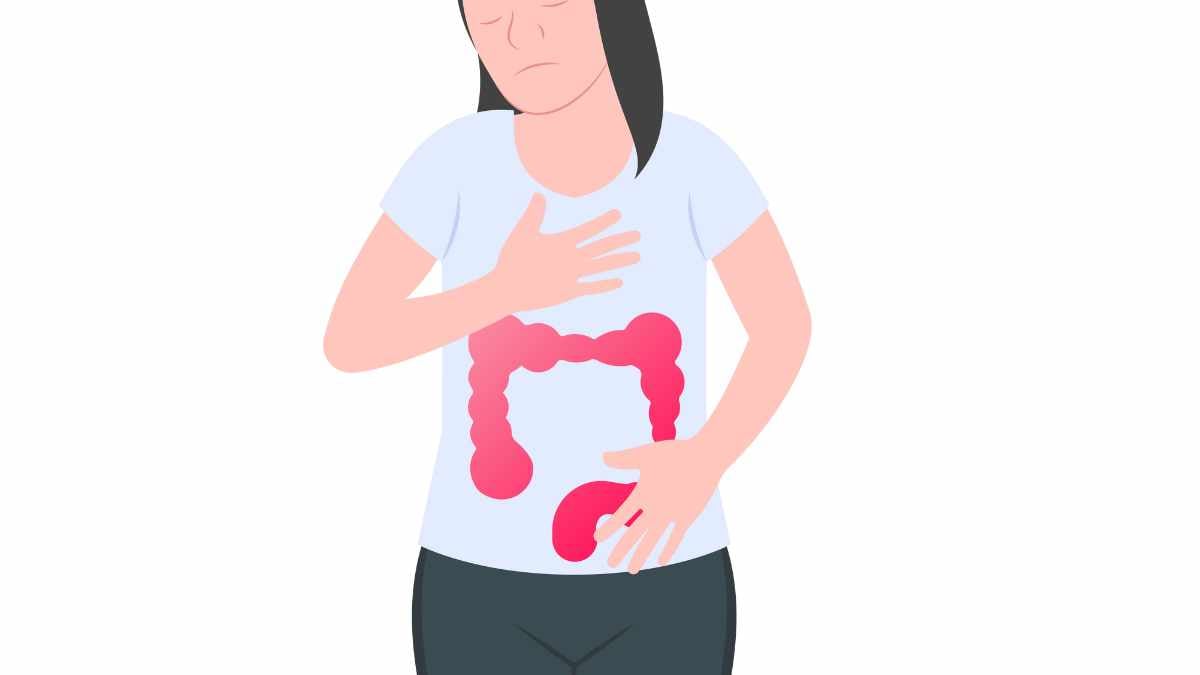
Irritable Bowel Syndrome (IBS) is a common gastrointestinal disorder characterized by symptoms such as abdominal pain, bloating, and altered bowel habits. While the exact cause of IBS remains elusive, various factors can exacerbate its symptoms, including diet, stress, and hydration. This article explores the intricate relationship between water consumption and IBS, examining whether water can indeed trigger IBS symptoms and offering insights into effective hydration strategies for those affected.
Understanding Irritable Bowel Syndrome: An Overview
Irritable Bowel Syndrome is classified as a functional gastrointestinal disorder, meaning it is characterized by a group of symptoms without any identifiable structural abnormalities. The disorder affects millions worldwide and can significantly impact quality of life. Symptoms often fluctuate, with some individuals experiencing periods of remission while others face chronic discomfort. Understanding the underlying mechanisms of IBS is crucial for effective management.
The pathophysiology of IBS is complex and multifactorial. Factors such as gut motility, visceral hypersensitivity, and alterations in the gut microbiome play significant roles in symptom manifestation. Psychosocial factors, including stress and anxiety, are also known to exacerbate symptoms. This intricate interplay of biological and psychological elements makes IBS a challenging condition to manage effectively.
Dietary triggers are a focal point in IBS management. Certain foods, including high-fat items, dairy, and specific carbohydrates, can provoke symptoms in sensitive individuals. Understanding these triggers is essential for developing personalized dietary strategies. However, the role of hydration and water intake in IBS remains less clear, prompting further investigation into how water might influence gastrointestinal function.
Recent studies have begun to shed light on the potential connections between hydration and IBS symptoms. While some patients report that drinking water can trigger discomfort, others find relief from symptoms with adequate hydration. This variability underscores the need for individualized approaches to managing IBS.
The Role of Hydration in Gastrointestinal Health
Hydration is vital for maintaining overall health, including optimal gastrointestinal function. Water plays a crucial role in digestion, nutrient absorption, and waste elimination. Adequate hydration helps maintain the mucosal lining of the intestines, which is essential for protecting against irritants. Insufficient water intake can lead to constipation, a common symptom in IBS patients, further complicating the condition.
Moreover, water aids in the breakdown of food, facilitating smoother transit through the digestive tract. Dehydration can result in harder stools and increased straining during bowel movements, exacerbating IBS symptoms. Therefore, maintaining proper hydration is essential for preventing constipation and promoting regular bowel habits.
The relationship between hydration and gut microbiota is also noteworthy. Studies suggest that adequate water intake may support a healthy balance of gut bacteria, which can influence IBS symptoms. A well-hydrated gut environment may foster the growth of beneficial bacteria, potentially alleviating some IBS-related discomfort.
Despite the recognized importance of hydration, many individuals with IBS face challenges in maintaining adequate fluid intake. Symptoms such as bloating and abdominal pain can make drinking water uncomfortable, leading to a cycle of dehydration and symptom exacerbation. Understanding these dynamics is crucial for developing effective hydration strategies for IBS patients.
Mechanisms of Water Interaction with Gut Physiology
Water interacts with gut physiology through various mechanisms that can influence IBS symptoms. The presence of water in the gastrointestinal tract helps regulate gut motility, affecting how quickly food moves through the digestive system. Inadequate hydration can slow down motility, leading to constipation, while proper hydration may promote more regular bowel movements.
Additionally, water plays a role in the secretion of digestive enzymes and gastric juices, which are essential for breaking down food. A well-hydrated system can enhance the digestive process, potentially reducing the burden on the intestines. Conversely, dehydration can impair these processes, leading to discomfort and exacerbation of IBS symptoms.
Water also influences the gut-brain axis, a complex communication network between the gut and the central nervous system. Hydration status can affect mood and stress levels, which are known to impact IBS symptoms. This connection highlights the importance of considering psychological factors when evaluating hydration’s role in IBS management.
Furthermore, the osmotic balance within the intestines is affected by water intake. An imbalance can lead to diarrhea or constipation, common symptoms in IBS. Understanding these mechanisms can help healthcare providers tailor hydration recommendations to individual patient needs.
Evidence Linking Water Intake and IBS Symptoms
Research examining the relationship between water intake and IBS symptoms has yielded mixed results. Some studies indicate that increased water consumption can alleviate constipation and reduce abdominal pain in IBS patients. Conversely, other research suggests that excessive water intake may lead to bloating and discomfort in certain individuals. This inconsistency highlights the need for further investigation into how water affects IBS symptoms on a case-by-case basis.
One study found that patients with IBS who increased their water intake reported a decrease in symptom severity, particularly in those experiencing constipation-predominant IBS. This suggests that hydration may play a beneficial role in managing certain IBS subtypes. However, it is important to note that not all patients experience the same outcomes, emphasizing the variability in individual responses to hydration.
Additionally, qualitative research has shown that many IBS patients are unsure about how much water they should consume. Some report that drinking water can trigger their symptoms, while others find it essential for symptom relief. This highlights the need for personalized hydration guidelines tailored to individual experiences and symptom patterns.
Overall, while there is evidence supporting the positive effects of adequate hydration on IBS symptoms, the variability in individual responses necessitates a cautious approach. Further research is needed to clarify the optimal hydration strategies for different IBS subtypes.
Individual Variability in Water’s Effects on IBS
The effects of water consumption on IBS symptoms can vary significantly among individuals. Factors such as the subtype of IBS (e.g., diarrhea-predominant, constipation-predominant, or mixed), personal tolerance to hydration, and underlying health conditions can influence how water intake affects gastrointestinal function. Understanding these individual differences is crucial for effective management.
Some patients may find that drinking large amounts of water exacerbates their symptoms, leading to increased bloating and discomfort. In contrast, others may experience relief from symptoms when adequately hydrated. This variability can complicate the development of standardized hydration recommendations for IBS patients.
Additionally, lifestyle factors such as physical activity, diet, and stress levels can also impact how water affects IBS symptoms. For instance, individuals who engage in regular exercise may require higher fluid intake to maintain hydration, while those with sedentary lifestyles may have different hydration needs. Tailoring hydration strategies to individual lifestyles can enhance their effectiveness.
The psychological aspect of IBS cannot be overlooked. Anxiety and stress can alter gastrointestinal function, and individuals may perceive their symptoms differently based on their emotional state. This interplay between psychological factors and hydration underscores the importance of a holistic approach to managing IBS.
Recommendations for Managing IBS with Hydration Strategies
For individuals with IBS, developing effective hydration strategies can be a key component of symptom management. It is essential to listen to one’s body and adjust water intake based on individual tolerance. Gradually increasing water consumption may help individuals identify their optimal hydration levels without triggering discomfort.
Incorporating hydrating foods into the diet can also be beneficial. Fruits and vegetables with high water content, such as cucumbers, watermelon, and oranges, can contribute to overall hydration while providing essential nutrients. This approach may be particularly useful for those who struggle with drinking plain water.
Monitoring fluid intake and symptoms can help individuals identify patterns and triggers. Keeping a hydration diary that records daily water consumption alongside symptom fluctuations can provide valuable insights for both patients and healthcare providers. This data can inform personalized hydration recommendations tailored to individual needs.
Lastly, consulting with a healthcare professional or a registered dietitian can provide additional guidance on managing IBS through hydration strategies. These experts can help develop a comprehensive management plan that considers dietary, lifestyle, and psychological factors.
Conclusions:
The relationship between water intake and IBS symptoms is complex and multifaceted. While adequate hydration is essential for maintaining gastrointestinal health, individual responses to water can vary significantly. Understanding these nuances is crucial for developing effective hydration strategies for those affected by IBS. By tailoring hydration approaches to individual needs and monitoring symptom patterns, patients can enhance their quality of life and manage their condition more effectively.
Read more
- Irritable Bowel Syndrome Overview – A comprehensive overview of IBS, its symptoms, and potential triggers.
- Hydration and Gastrointestinal Health – An article discussing the importance of hydration for gastrointestinal function.
- The Gut-Brain Axis: Implications for IBS – Insights into how hydration and gut health interact with psychological factors in IBS.
- Dietary Management of IBS – A resource detailing dietary strategies for managing IBS symptoms, including hydration.
- Water Intake and Health – A study exploring the effects of water intake on health, including gastrointestinal issues.