


Introduction:
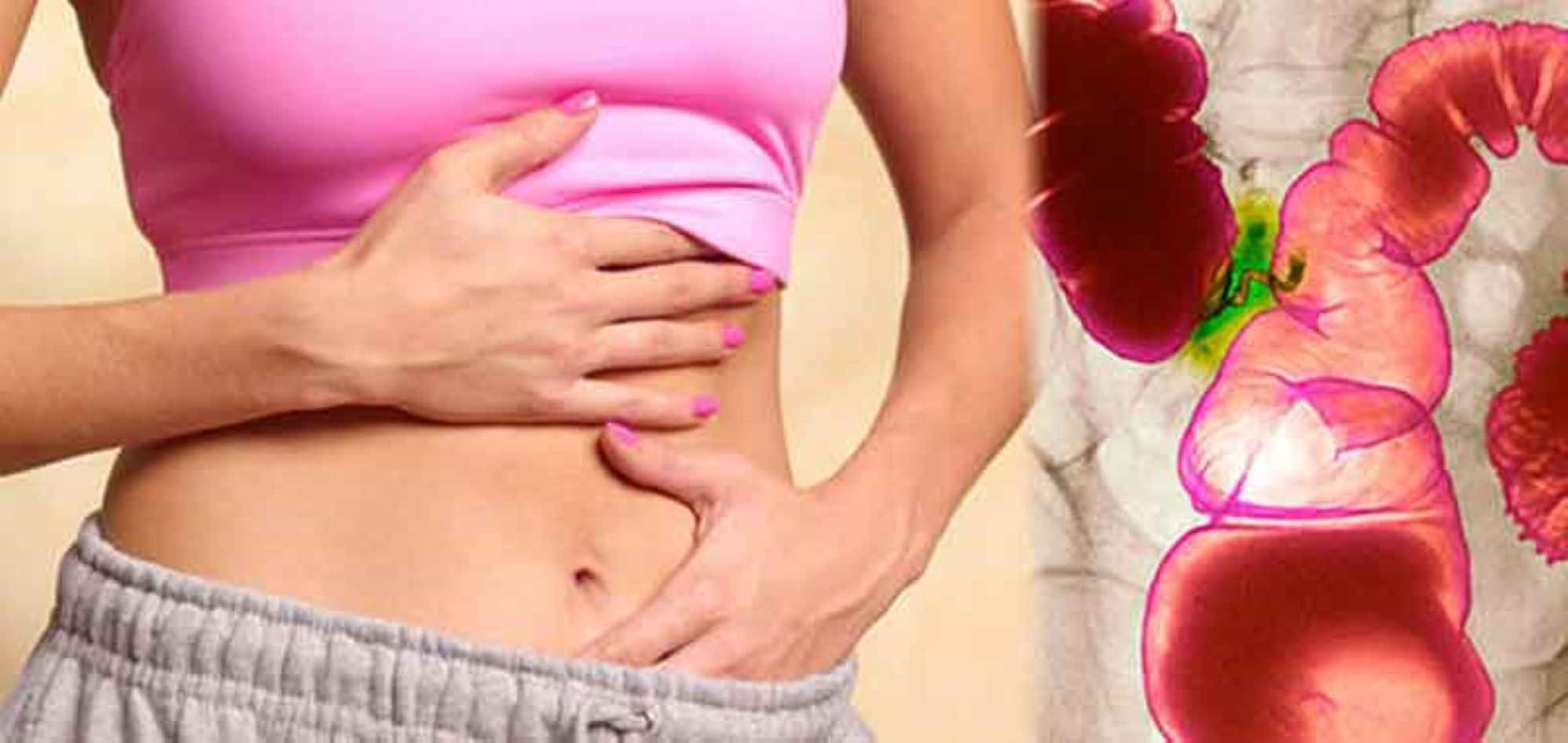
Irritable Bowel Syndrome (IBS) is a common gastrointestinal disorder characterized by symptoms such as abdominal pain, bloating, and altered bowel habits. While the exact cause of IBS remains elusive, various factors, including diet, stress, and gut microbiota, are believed to play a role in its manifestation. Among the many dietary considerations, hydration is often discussed, leading to the question of whether drinking water can alleviate IBS symptoms. This article delves into the relationship between water intake and IBS, exploring the potential benefits of proper hydration in managing this complex condition.
Understanding Irritable Bowel Syndrome: An Overview
Irritable Bowel Syndrome affects millions of individuals worldwide, making it one of the most prevalent gastrointestinal disorders. It is classified as a functional gastrointestinal disorder, meaning that it is characterized by symptoms without any identifiable structural or biochemical abnormalities. The symptoms of IBS can vary widely among individuals, with some experiencing diarrhea (IBS-D), others constipation (IBS-C), and some alternating between the two (IBS-A). This variability complicates diagnosis and treatment, as management strategies must be tailored to the individual’s specific symptoms.
The pathophysiology of IBS is multifactorial, involving interactions between the gut-brain axis, gut motility, and the microbiome. Stress and psychological factors are also significant contributors, as they can exacerbate symptoms. Additionally, dietary triggers, such as certain carbohydrates and fats, can provoke flare-ups in susceptible individuals. Understanding these underlying mechanisms is crucial for developing effective management strategies, including dietary modifications and lifestyle changes.
Diagnosis of IBS typically involves a thorough medical history, symptom assessment, and, in some cases, exclusion of other gastrointestinal disorders through diagnostic tests. The Rome IV criteria are often utilized to classify and diagnose IBS based on symptom patterns. Given the subjective nature of symptoms, a collaborative approach between healthcare providers and patients is essential for effective management.
As IBS is a chronic condition, long-term management is often necessary. Patients are encouraged to keep symptom diaries to identify potential triggers and patterns, which can inform dietary and lifestyle adjustments. While there is no one-size-fits-all solution, understanding the condition’s complexity can empower patients to take control of their health and seek appropriate interventions.
The Role of Hydration in Digestive Health
Hydration is a fundamental aspect of overall health and plays a crucial role in maintaining optimal digestive function. Water is essential for various bodily processes, including nutrient absorption, waste elimination, and maintaining the mucosal lining of the gastrointestinal tract. Adequate hydration can support the movement of food through the intestines, potentially reducing the risk of constipation and promoting regular bowel movements.
In the context of digestive health, water helps to soften stool and facilitate its passage through the intestines. For individuals with IBS, particularly those experiencing constipation, proper hydration may alleviate some symptoms by preventing hard stools and promoting smoother bowel movements. Conversely, dehydration can lead to constipation, exacerbating IBS symptoms and creating a cycle of discomfort.
Moreover, hydration is vital for maintaining the balance of gut microbiota. Studies suggest that adequate water intake may positively influence the composition of gut bacteria, which play a significant role in digestion and overall gut health. A well-hydrated gut environment may support the growth of beneficial bacteria while inhibiting harmful pathogens, contributing to improved digestive function.
However, it is important to note that while hydration is essential, it is not a standalone solution for managing IBS. The interplay of various dietary factors, lifestyle choices, and individual responses must be considered. Therefore, while drinking water is beneficial, it should be part of a comprehensive approach to managing IBS symptoms.
Exploring the Connection Between Water and IBS Symptoms
The relationship between water intake and IBS symptoms is complex and multifaceted. While adequate hydration is generally beneficial for digestive health, individual responses to water consumption can vary significantly among those with IBS. Some patients report that increasing their water intake helps alleviate symptoms, while others may not notice a significant difference.
One potential explanation for this variability is the role of dietary fiber. For individuals with IBS, particularly those with constipation, increasing fiber intake is often recommended. However, fiber requires sufficient water to function effectively in the digestive system. Without adequate hydration, increasing fiber intake can lead to bloating and discomfort, potentially worsening IBS symptoms. Therefore, it is crucial for individuals to balance their fiber and water intake to optimize digestive health.
Additionally, the timing of water consumption may influence its effects on IBS symptoms. Some individuals find that drinking water during meals helps with digestion, while others may experience discomfort if they consume too much liquid at once. Experimenting with different hydration strategies can help individuals identify what works best for them in managing their symptoms.
Furthermore, the temperature of the water may also play a role. Some individuals with IBS report that warm or hot water is more soothing and easier on their digestive systems compared to cold water. This anecdotal evidence suggests that personal preferences and experiences should guide hydration practices for those with IBS.
Evidence-Based Research on Water Intake and IBS Relief
Research on the direct impact of water intake on IBS symptoms is limited, but some studies suggest a positive correlation between hydration and symptom relief. A study published in the "American Journal of Gastroenterology" found that increased fluid intake was associated with improved bowel habits and reduced constipation in patients with IBS. This suggests that adequate hydration may play a role in alleviating certain symptoms, particularly for those with IBS-C.
Another study examined the effects of hydration on gut motility and found that increased water consumption could enhance bowel transit time. This finding is particularly relevant for individuals with IBS, as altered gut motility is a common feature of the condition. By promoting regular bowel movements, proper hydration may help mitigate symptoms associated with constipation and bloating.
However, it is essential to approach these findings with caution. While hydration appears to be beneficial for some individuals with IBS, it is not a universal remedy. The heterogeneity of IBS means that what works for one person may not work for another. Therefore, further research is needed to establish clear guidelines regarding optimal water intake for individuals with IBS.
In summary, while existing evidence supports the idea that hydration can positively influence IBS symptoms, individual variability must be considered. Patients are encouraged to monitor their hydration levels and adjust their intake based on their specific symptoms and experiences.
Recommendations for Optimal Hydration in IBS Management
To optimize hydration for managing IBS symptoms, individuals should aim to drink an adequate amount of water throughout the day. The general recommendation is to consume at least eight 8-ounce glasses of water daily, but individual needs may vary based on factors such as activity level, climate, and overall health. Listening to one’s body and adjusting fluid intake accordingly is crucial.
Incorporating hydrating foods into the diet can also contribute to overall fluid intake. Fruits and vegetables, such as cucumbers, watermelon, and oranges, have high water content and can help maintain hydration levels. Additionally, herbal teas and broths can be soothing options for those with IBS, providing both hydration and potential digestive benefits.
Timing of water consumption is another important consideration. Drinking water before meals may help with digestion, while consuming it during meals can aid in the breakdown of food. However, individuals should experiment with their hydration practices to determine what feels best for their digestive system.
Lastly, it is essential to be mindful of electrolyte balance, especially for individuals with diarrhea-predominant IBS. In such cases, consuming electrolyte-rich beverages may help maintain proper hydration levels and prevent dehydration. Consulting with a healthcare provider or a registered dietitian can provide personalized recommendations tailored to individual needs and symptoms.
Conclusion: Water’s Role in Managing Irritable Bowel Syndrome
In conclusion, while drinking water alone may not be a cure for Irritable Bowel Syndrome, it plays a significant role in managing symptoms and promoting overall digestive health. Adequate hydration can help alleviate constipation, support gut motility, and enhance the balance of gut microbiota. However, individual responses to water intake can vary, and it is essential for patients to tailor their hydration practices to their specific needs.
Understanding the multifaceted nature of IBS is crucial for effective management. While hydration is an important component, it should be integrated into a comprehensive approach that includes dietary modifications, stress management, and lifestyle changes. By taking a holistic view of their health, individuals with IBS can better navigate their symptoms and improve their quality of life.
Read more:
- American Journal of Gastroenterology – A study on hydration and bowel habits in IBS patients.
- National Institute of Diabetes and Digestive and Kidney Diseases – Comprehensive resources on IBS and digestive health.
- Mayo Clinic – Overview of IBS symptoms, causes, and management strategies.
- Harvard Health Publishing – Insights into IBS and dietary recommendations.
- Cleveland Clinic – Detailed information on IBS, including treatment options and lifestyle changes.


