

Se hai un abbonamento attivo ACCEDI QUI
Introduction:
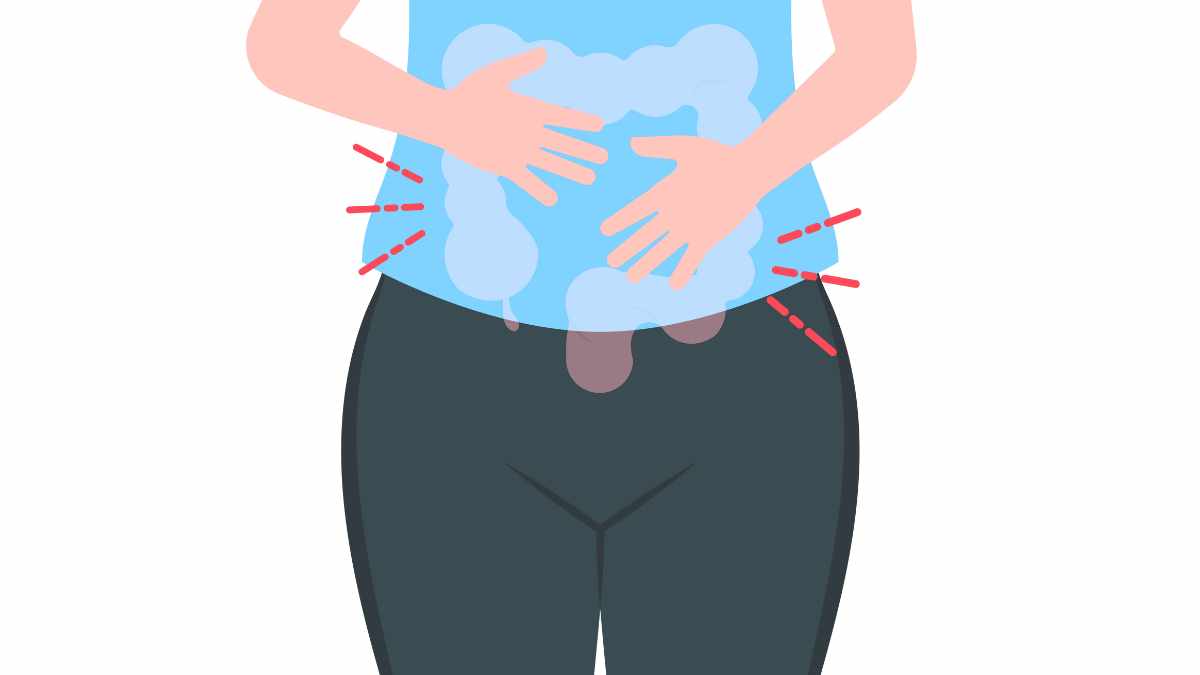
Irritable Bowel Syndrome (IBS) is a common gastrointestinal disorder characterized by a variety of symptoms, including abdominal pain, bloating, and altered bowel habits. One aspect that often goes unaddressed is the odor of stool produced by individuals suffering from IBS. Many patients report that their stool has a distinct, often unpleasant smell, leading to questions about the underlying causes and implications. This article delves into the nature of IBS, the role of gut microbiota, the chemical composition of stool, factors influencing odor, clinical implications, and strategies for managing odor to improve the quality of life for those affected.
Understanding the Nature of IBS and Its Symptoms
Irritable Bowel Syndrome is classified as a functional gastrointestinal disorder, meaning it affects how the gut functions without any observable structural abnormalities. Symptoms typically include abdominal pain, cramping, diarrhea, constipation, and bloating. The severity and combination of these symptoms can vary significantly from one individual to another. For many, these symptoms can lead to significant discomfort and distress, impacting daily activities and overall quality of life.
The exact cause of IBS remains elusive, but it is believed to involve a combination of factors, including alterations in gut motility, visceral hypersensitivity, and psychological components such as stress and anxiety. These factors can contribute to the dysregulation of bowel function, leading to the production of stool that may have an unusual odor. The relationship between bowel habits and stool characteristics is complex and multifaceted, making it essential to understand how IBS affects digestion and stool composition.
Patients with IBS often report that their symptoms are triggered by certain foods, stress, or hormonal changes. This variability can lead to fluctuations in stool odor, with some individuals experiencing particularly foul-smelling stools during flare-ups. Understanding the triggers and patterns of IBS symptoms can help patients manage their condition more effectively and may provide insights into the underlying causes of abnormal stool odor.
In summary, IBS is a multifactorial condition that affects individuals differently, with a range of symptoms that can include changes in stool odor. Recognizing the nature of IBS and its symptoms is crucial for understanding the complexities of this disorder and its impact on patients’ lives.
The Role of Gut Microbiota in IBS-Related Odor
The gut microbiota, a complex community of microorganisms residing in the gastrointestinal tract, plays a significant role in digestion and overall gut health. In individuals with IBS, the composition and function of gut microbiota can be altered, contributing to various symptoms, including abnormal stool odor. Research has shown that dysbiosis, or an imbalance of gut bacteria, is common in IBS patients, which can affect the fermentation of food and the production of gases and metabolites.
Certain types of bacteria produce volatile compounds during the fermentation of undigested food. These compounds can contribute to the characteristic odor of stool. For instance, an overgrowth of sulfur-producing bacteria can lead to particularly foul-smelling stools, as sulfur compounds are known for their strong, unpleasant odors. Understanding the role of gut microbiota in IBS can provide insights into why some patients experience more pronounced changes in stool odor than others.
Moreover, the interaction between diet and gut microbiota can further influence stool characteristics. Dietary choices, including the consumption of high-fiber foods, sugars, and fats, can affect the composition of gut bacteria and, consequently, the odor of stool. Patients who are aware of their dietary triggers may be able to modify their intake to minimize unpleasant odors and improve their overall gastrointestinal health.
In conclusion, the gut microbiota plays a crucial role in the odor of stool in IBS patients. By addressing dysbiosis and understanding the impact of diet on gut health, individuals may be able to manage their symptoms and reduce abnormal stool odor.
Analyzing the Chemical Composition of IBS Stool
The chemical composition of stool can provide valuable insights into digestive health and the presence of gastrointestinal disorders such as IBS. Stool is composed of water, undigested food, bacteria, and various metabolic byproducts. The specific ratios of these components can vary significantly among individuals, particularly those with IBS, leading to differences in stool consistency and odor.
Research has shown that certain metabolites and compounds produced during digestion can contribute to stool odor. For example, short-chain fatty acids (SCFAs), produced by the fermentation of dietary fibers, can influence both the smell and texture of stool. In IBS patients, the production and absorption of SCFAs may be altered, leading to changes in stool characteristics.
Additionally, the presence of specific compounds, such as indole and skatole, which are byproducts of protein fermentation, can also contribute to the odor of stool. In individuals with IBS, the fermentation process may be disrupted, leading to an increased concentration of these compounds and, consequently, a more pungent stool odor. Understanding the chemical composition of stool in IBS patients can help clinicians identify potential dietary or microbial interventions to alleviate symptoms.
In summary, the analysis of stool composition in IBS patients reveals various factors that contribute to abnormal odor. By exploring the chemical makeup of stool, healthcare providers can gain insights into the underlying mechanisms of IBS and develop targeted strategies for management.
Factors Influencing Stool Odor in IBS Patients
Several factors can influence stool odor in individuals with IBS, ranging from dietary choices to medication use and lifestyle habits. Diet is one of the most significant contributors to stool odor, as certain foods can lead to the production of gases and metabolites that affect smell. For example, foods high in sulfur, such as cruciferous vegetables and certain proteins, can lead to particularly foul-smelling stools.
In addition to diet, the use of medications can also impact stool odor. Certain antibiotics, for instance, can alter the gut microbiota, potentially leading to dysbiosis and changes in stool characteristics. Similarly, medications that affect gut motility, such as laxatives or antidiarrheals, can influence the consistency and odor of stool in IBS patients.
Lifestyle factors, including stress and physical activity, can also play a role in stool odor. Stress can exacerbate IBS symptoms, leading to changes in bowel habits and potentially affecting stool odor. Regular physical activity has been shown to promote healthy gut function and may help mitigate some of the odor-related issues experienced by IBS patients.
In conclusion, stool odor in IBS patients is influenced by a complex interplay of dietary, medicinal, and lifestyle factors. By identifying and addressing these contributors, individuals may be able to manage their symptoms more effectively and improve their overall quality of life.
Clinical Implications of Abnormal Stool Smell in IBS
Abnormal stool odor in IBS patients can have significant clinical implications. For many individuals, unpleasant stool odor can lead to embarrassment and social anxiety, impacting their mental health and overall well-being. This can result in avoidance of social situations, decreased quality of life, and even reluctance to seek medical help for their symptoms.
From a clinical perspective, abnormal stool odor can serve as a potential indicator of underlying issues within the gastrointestinal tract. Healthcare providers may consider changes in stool odor as a signal to investigate further, potentially leading to a more comprehensive assessment of the patient’s condition. This could include evaluating dietary habits, medication use, and gut microbiota composition to identify possible interventions.
Moreover, addressing abnormal stool odor can be an essential component of IBS management. Patients may benefit from education on dietary modifications, the use of probiotics, or other therapeutic options to help alleviate symptoms. By focusing on the multifaceted nature of IBS and its symptoms, clinicians can provide more holistic care to their patients.
In summary, the clinical implications of abnormal stool odor in IBS patients are significant, affecting both mental health and the overall management of the condition. Recognizing and addressing these issues can lead to improved patient outcomes and quality of life.
Strategies for Managing Odor and Improving Quality of Life
Managing abnormal stool odor in IBS patients requires a multifaceted approach that includes dietary modifications, lifestyle changes, and medical interventions. One of the most effective strategies is to identify and eliminate trigger foods that contribute to unpleasant odors. Keeping a food diary can help patients track their symptoms and identify correlations between specific foods and stool odor.
In addition to dietary changes, probiotics may play a role in restoring gut balance and reducing abnormal stool odor. Research has shown that certain probiotic strains can help improve gut health and may alleviate some IBS symptoms. Consulting with a healthcare provider or a registered dietitian can help individuals select the appropriate probiotic supplements for their needs.
Lifestyle modifications, such as stress management techniques and regular physical activity, can also contribute to improved gastrointestinal health. Practices such as yoga, meditation, and deep breathing exercises can help reduce stress levels, which may, in turn, alleviate some IBS symptoms. Engaging in regular exercise can promote healthy digestion and may help mitigate odor-related issues.
In conclusion, a comprehensive approach to managing abnormal stool odor in IBS patients can significantly improve their quality of life. By focusing on dietary, lifestyle, and medical strategies, individuals can take proactive steps to manage their symptoms and enhance their overall well-being.
Conclusions:
Abnormal stool odor is a common concern among individuals with Irritable Bowel Syndrome, influenced by a variety of factors including gut microbiota, diet, and lifestyle. Understanding the complexities of IBS and its symptoms can empower patients to manage their condition more effectively. By exploring dietary modifications, probiotic use, and stress management techniques, individuals can work towards alleviating unpleasant odors and improving their quality of life.
Read more:
- Irritable Bowel Syndrome: A Comprehensive Overview – A detailed article on IBS, its symptoms, and management strategies.
- The Role of Gut Microbiota in IBS – Insights into how gut bacteria influence IBS symptoms and stool odor.
- Dietary Management of IBS – A study discussing dietary interventions for IBS patients.
- Probiotics and IBS: What You Need to Know – An overview of the role of probiotics in managing IBS symptoms.
- Stress and Gut Health: The Connection – An exploration of how stress affects gastrointestinal health, particularly in IBS patients.