
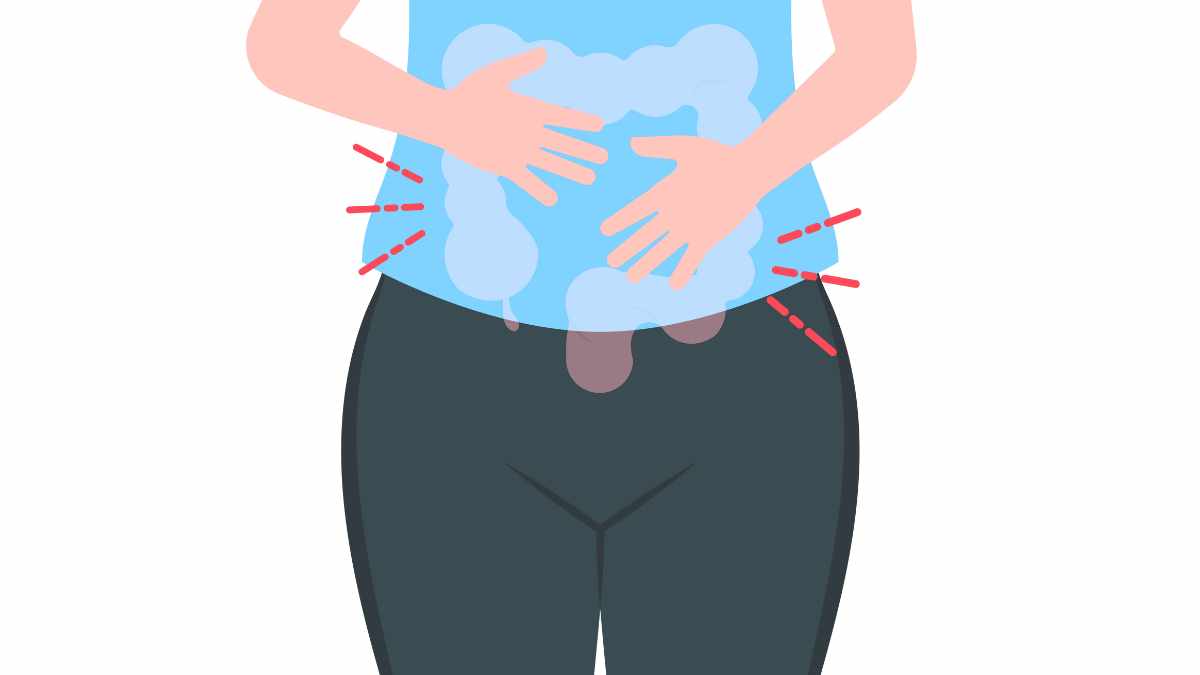

Introduction:
Irritable Bowel Syndrome (IBS) is a chronic gastrointestinal disorder that affects millions of people worldwide. Characterized by symptoms such as abdominal pain, bloating, gas, and altered bowel habits, IBS can significantly impact daily life. Flare-ups can be particularly distressing, making it essential to understand how to manage them effectively. This article explores various strategies for recovering from an IBS flare-up quickly, focusing on dietary adjustments, hydration, probiotics, stress management, and when to seek medical advice.
Understanding IBS Flare-Ups: Causes and Triggers
IBS flare-ups can be triggered by a variety of factors, including dietary choices, stress levels, and hormonal changes. Certain foods, such as those high in fat, dairy, or gluten, may exacerbate symptoms. Additionally, irregular eating patterns or skipping meals can lead to increased gastrointestinal distress. Identifying personal triggers is crucial for effective management, as they can vary significantly from one individual to another.
Stress is another significant contributor to IBS flare-ups. Psychological factors, such as anxiety and depression, can influence gut health and exacerbate symptoms. The gut-brain axis, a complex communication network between the gastrointestinal tract and the central nervous system, plays a vital role in this relationship. Understanding how stress affects your body can help you develop strategies to mitigate its impact on your IBS.
Hormonal fluctuations, particularly in women, can also lead to flare-ups. Menstrual cycles can affect gastrointestinal function, with many women experiencing increased symptoms during their periods. Recognizing these patterns can aid in predicting and managing flare-ups more effectively.
Lastly, lifestyle factors such as lack of sleep and sedentary behavior can contribute to the severity of IBS symptoms. Maintaining a balanced lifestyle that includes regular physical activity and adequate rest is essential for overall digestive health and can help reduce the frequency and intensity of flare-ups.
Immediate Dietary Adjustments for Quick Relief
When experiencing an IBS flare-up, making immediate dietary adjustments can provide quick relief. Eliminating trigger foods is the first step. Keeping a food diary can help identify which specific foods lead to symptoms, allowing for more tailored dietary choices. Common triggers include high-FODMAP foods, spicy dishes, and excessive caffeine.
Incorporating easily digestible foods can also help soothe the gastrointestinal tract. Bland foods, such as rice, bananas, and applesauce, are often recommended during flare-ups. These foods are less likely to irritate the gut and can provide essential nutrients without causing further distress.
Additionally, consider adopting smaller, more frequent meals rather than large portions. Eating smaller meals can help reduce the burden on the digestive system, making it easier for the body to process food without triggering symptoms. This approach can also help maintain stable blood sugar levels, which is beneficial for overall health.
Lastly, cooking methods can play a role in managing IBS symptoms. Steaming, boiling, or baking foods rather than frying can make them easier to digest. Avoiding heavily processed foods and opting for whole, natural ingredients can also contribute to better digestive health.
Hydration Strategies to Alleviate IBS Symptoms
Hydration is a critical aspect of managing IBS, especially during flare-ups. Drinking plenty of fluids helps maintain digestive function and can alleviate some symptoms, such as constipation. Water is the best choice, as it is essential for overall health and helps keep the digestive system running smoothly.
In addition to water, herbal teas can provide soothing effects on the digestive tract. Peppermint tea is particularly beneficial for its antispasmodic properties, which can help relieve abdominal cramping. Similarly, ginger tea can aid in reducing nausea and promoting digestion.
Avoiding caffeinated and carbonated beverages is advisable during flare-ups. Caffeine can stimulate the gastrointestinal tract, potentially worsening symptoms, while carbonated drinks can lead to bloating and discomfort. Instead, focus on hydration through non-irritating fluids.
Lastly, electrolyte-rich drinks can be beneficial, especially if diarrhea is a significant symptom. Oral rehydration solutions or electrolyte-infused waters can help replenish lost fluids and minerals, supporting overall recovery during a flare-up.
The Role of Probiotics in IBS Recovery
Probiotics are live microorganisms that can provide health benefits when consumed in adequate amounts. They play a significant role in maintaining gut health and can be particularly beneficial for individuals with IBS. Research suggests that specific strains of probiotics can help alleviate symptoms such as bloating and abdominal pain.
Incorporating probiotic-rich foods into your diet can be an effective strategy during flare-ups. Yogurt, kefir, sauerkraut, and kimchi are excellent sources of probiotics that can help restore the balance of gut bacteria. These foods can enhance digestive function and may reduce the severity of symptoms.
For those who prefer supplements, it is essential to choose high-quality probiotic formulations. Look for products that contain multiple strains and have been clinically studied for IBS management. Consulting with a healthcare provider can help determine the most appropriate probiotic for individual needs.
While probiotics can be beneficial, it’s crucial to introduce them gradually. Starting with small doses can help the body adjust, reducing the risk of exacerbating symptoms. Monitoring your response to probiotics can guide further dietary adjustments and enhance overall gut health.
Stress Management Techniques to Combat Flare-Ups
Stress management is a vital component of IBS recovery. Chronic stress can exacerbate symptoms, making it essential to adopt effective coping strategies. Mindfulness practices, such as meditation and deep breathing exercises, can help reduce stress levels and promote relaxation.
Engaging in regular physical activity can also be beneficial. Exercise releases endorphins, which can improve mood and reduce stress. Activities such as yoga and tai chi are particularly effective, as they combine physical movement with mindfulness, promoting both physical and emotional well-being.
Establishing a routine can help create a sense of stability and control, which is especially important for those with IBS. Setting regular meal times and incorporating relaxation periods into your day can help mitigate stress and improve digestive health.
Lastly, seeking support from friends, family, or support groups can provide emotional relief. Sharing experiences with others who understand the challenges of living with IBS can foster a sense of community and help alleviate feelings of isolation.
When to Seek Medical Advice for IBS Management
While many IBS flare-ups can be managed at home, there are times when seeking medical advice is crucial. If symptoms are severe or persistent, it is essential to consult a healthcare provider. Signs that warrant a visit include significant weight loss, persistent diarrhea or constipation, or blood in the stool.
A healthcare provider can help determine whether additional testing is necessary to rule out other gastrointestinal disorders. Conditions such as celiac disease, inflammatory bowel disease, or infections can present with similar symptoms and require different management strategies.
If dietary adjustments and lifestyle changes do not lead to improvement, a healthcare provider may recommend medications. Antispasmodics, laxatives, or antidepressants can be effective in managing IBS symptoms and improving quality of life.
Lastly, ongoing support from a healthcare professional can help individuals navigate the complexities of IBS. Regular follow-ups can ensure that management strategies remain effective and that any new symptoms are addressed promptly.
Conclusions:
Recovering from an IBS flare-up can be challenging, but understanding the underlying causes and implementing effective strategies can lead to quicker relief. By making immediate dietary adjustments, staying hydrated, considering probiotics, managing stress, and knowing when to seek medical advice, individuals can take proactive steps toward better digestive health. With the right approach, it is possible to minimize the impact of IBS on daily life and improve overall well-being.
Read more
- International Foundation for Gastrointestinal Disorders (IFFGD) – A comprehensive resource for information on gastrointestinal disorders, including IBS, with a focus on patient education and support.
- American College of Gastroenterology (ACG) – Offers guidelines and resources for the diagnosis and treatment of gastrointestinal disorders, including IBS management strategies.
- Harvard Health Publishing – Provides articles and research on digestive health, including the role of diet and probiotics in managing IBS symptoms.
- Mayo Clinic – A trusted source for medical information, offering insights into IBS symptoms, causes, and treatment options.
- Cleveland Clinic – Features expert advice on managing IBS, including dietary recommendations and lifestyle modifications to alleviate symptoms.