

Introduction:
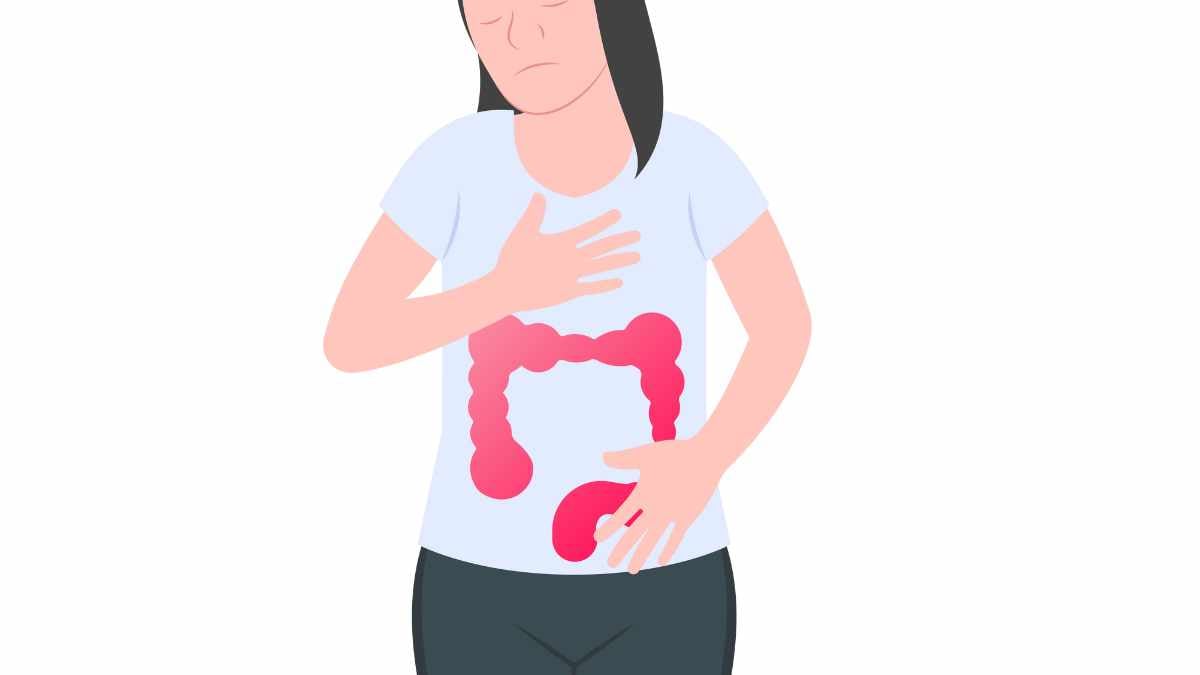
Irritable Bowel Syndrome (IBS) is a common gastrointestinal disorder characterized by a range of symptoms, including abdominal pain, bloating, and altered bowel habits. For many individuals, the question of how long IBS lasts if left untreated is crucial for understanding the potential impact on their quality of life. This article delves into various factors influencing the duration of IBS, the nature of its symptoms, the consequences of untreated IBS, and strategies for symptom management.
Understanding Irritable Bowel Syndrome (IBS) Duration Factors
The duration of IBS can be influenced by multiple factors, including genetic predisposition, lifestyle choices, and psychological well-being. Research suggests that individuals with a family history of gastrointestinal disorders may experience more severe symptoms and prolonged episodes. Moreover, lifestyle factors such as diet, exercise, and stress management play a significant role in symptom exacerbation or relief. Those who lead sedentary lifestyles or consume diets high in processed foods may find their symptoms more persistent.
Psychological factors, such as anxiety and depression, are also closely linked to IBS. Stress can trigger or worsen symptoms, creating a cycle of discomfort that may prolong the duration of the condition. Cognitive-behavioral therapy (CBT) and other psychological interventions have been shown to help some patients manage their symptoms more effectively, suggesting that mental health plays a critical role in IBS duration.
Additionally, the type of IBS—whether it is IBS-D (diarrhea predominant), IBS-C (constipation predominant), or IBS-M (mixed)—can influence how long symptoms last. Each subtype presents unique challenges and may require different management strategies, impacting the overall duration of the disorder. Understanding these factors is essential for both patients and healthcare professionals in developing effective treatment plans.
Lastly, the presence of comorbid conditions such as inflammatory bowel disease (IBD) or gastrointestinal infections can complicate the course of IBS. These conditions may mask or mimic IBS symptoms, leading to misdiagnosis and potentially prolonging the duration of discomfort if left untreated.
The Nature of IBS: Symptoms and Their Persistence
IBS symptoms can vary widely among individuals, but they typically include abdominal pain, bloating, gas, and irregular bowel movements. These symptoms can be intermittent or chronic, leading to significant variability in how long they last. For some individuals, symptoms may resolve spontaneously, while others may experience persistent discomfort that can last for months or even years without treatment.
The episodic nature of IBS means that patients may have periods of symptom relief followed by flare-ups. These flare-ups can be triggered by various factors, including dietary choices, stress, and hormonal changes. Consequently, untreated IBS may lead to a chronic cycle of symptom management, where individuals find themselves caught in a loop of discomfort and temporary relief.
Moreover, the severity of symptoms can also dictate their duration. Patients with more severe IBS may experience longer-lasting symptoms, while those with milder forms may find that their symptoms resolve more quickly. This variability can make it challenging to predict how long IBS will last in any given individual, particularly when treatment is not sought.
Understanding the nature of IBS symptoms is crucial for patients and healthcare providers alike. Recognizing that symptoms can be both chronic and episodic helps in setting realistic expectations for management and recovery. Without intervention, the persistence of these symptoms can lead to significant lifestyle limitations and decreased quality of life.
Consequences of Untreated IBS: Short and Long-Term Effects
The consequences of untreated IBS can be profound, affecting not only physical health but also emotional and social well-being. In the short term, individuals may experience increased discomfort, social withdrawal, and reduced productivity. The unpredictability of symptoms can lead to anxiety about social situations, work commitments, and daily activities, causing individuals to avoid situations that may trigger their symptoms.
Long-term effects of untreated IBS can be even more concerning. Chronic gastrointestinal discomfort can lead to malnutrition, as individuals may avoid certain foods that they associate with symptom flare-ups. This dietary restriction can result in deficiencies in essential nutrients, impacting overall health and well-being. Additionally, the psychological toll of living with persistent symptoms can lead to depression and anxiety disorders, compounding the challenges faced by individuals with IBS.
Furthermore, untreated IBS can lead to a cycle of healthcare utilization, where individuals frequently seek medical attention for symptom management without receiving a definitive diagnosis or effective treatment. This can result in increased healthcare costs and frustration for both patients and providers, as the underlying issues remain unaddressed.
Ultimately, the consequences of untreated IBS underscore the importance of seeking medical advice and intervention. Early diagnosis and management can significantly improve quality of life and reduce the risk of long-term complications associated with the disorder.
Variability in IBS Duration: Individual Patient Experiences
The duration of IBS can vary significantly among individuals, making it difficult to generalize how long the condition may last if untreated. Some patients may experience symptoms for a few weeks, while others may endure discomfort for years. This variability can be attributed to a multitude of factors, including individual health profiles, lifestyle choices, and response to environmental triggers.
Patient experiences can also differ based on their coping mechanisms and support systems. Those who actively seek out information and support from healthcare providers, support groups, or online communities may find that they can manage their symptoms more effectively, potentially reducing the duration of their discomfort. Conversely, individuals who feel isolated or lack access to resources may experience prolonged symptoms due to a lack of effective management strategies.
Additionally, the perception of IBS plays a role in how long individuals may suffer from untreated symptoms. Some patients may dismiss their symptoms as minor inconveniences, while others may view them as debilitating. This perception can influence how proactive individuals are in seeking treatment, ultimately affecting the duration of their IBS.
Lastly, cultural factors may also impact how individuals experience and manage IBS. In some cultures, gastrointestinal symptoms may be stigmatized, leading individuals to avoid discussing their issues or seeking help. This cultural context can further contribute to the variability in IBS duration among different populations.
Evidence-Based Insights on IBS Progression Without Treatment
Research indicates that IBS can follow a chronic course, with symptoms persisting over time if left untreated. A significant proportion of patients report that their symptoms have not improved over several years, highlighting the potential for long-term discomfort. Evidence suggests that untreated IBS may lead to increased symptom severity, as the underlying factors contributing to the disorder remain unaddressed.
Studies have shown that individuals with IBS who do not seek treatment may experience a deterioration in their quality of life over time. This deterioration can be attributed to the cumulative effects of chronic pain, dietary restrictions, and social isolation. Furthermore, untreated IBS may lead to the development of comorbid conditions, such as anxiety and depression, which can further complicate the management of symptoms.
Longitudinal studies have also explored the natural history of IBS, revealing that while some individuals may experience spontaneous remission, many continue to have fluctuating symptoms over extended periods. This underscores the importance of early intervention and ongoing management to mitigate the risk of chronic symptoms and associated complications.
In conclusion, the evidence suggests that untreated IBS can lead to a prolonged course of symptoms, emphasizing the need for effective treatment strategies. Understanding the potential progression of IBS without intervention can empower patients to seek help and improve their overall quality of life.
Strategies for Managing IBS Symptoms and Improving Outcomes
Effective management of IBS symptoms is crucial for improving patient outcomes and reducing the duration of discomfort. A multidisciplinary approach that includes dietary modifications, lifestyle changes, and psychological support can be beneficial. Dietary interventions, such as following a low-FODMAP diet, have been shown to help many patients identify and avoid trigger foods, leading to symptom relief.
Incorporating regular physical activity can also play a significant role in managing IBS symptoms. Exercise has been associated with improved gastrointestinal motility and reduced stress levels, both of which can contribute to symptom improvement. Encouraging patients to find enjoyable forms of exercise can enhance adherence to a regular routine.
Psychological interventions, such as cognitive-behavioral therapy (CBT) and mindfulness practices, can help patients develop coping strategies for managing stress and anxiety related to their IBS symptoms. These approaches can lead to improved symptom management and overall well-being, reducing the likelihood of prolonged discomfort.
Lastly, patient education is essential in empowering individuals to take an active role in their management. Providing resources and support for understanding IBS can help patients make informed decisions about their treatment options, leading to better outcomes and potentially reducing the duration of their symptoms.
Conclusions:
Irritable Bowel Syndrome is a complex condition with variable duration and symptom presentation. Understanding the factors influencing IBS duration, the consequences of untreated symptoms, and effective management strategies is crucial for improving patient outcomes. Early intervention and a comprehensive approach can significantly enhance the quality of life for individuals living with IBS.
Read more
- National Institute of Diabetes and Digestive and Kidney Diseases (NIDDK) – Comprehensive information on IBS, including symptoms, causes, and treatment options.
- American Gastroenterological Association (AGA) – Evidence-based guidelines for the management of IBS.
- Mayo Clinic – Overview of IBS symptoms, causes, and treatment strategies.
- Cleveland Clinic – Detailed insights into IBS, including risk factors and lifestyle management tips.
- Harvard Health Publishing – Articles discussing the latest research and management strategies for IBS.