

Introduction:
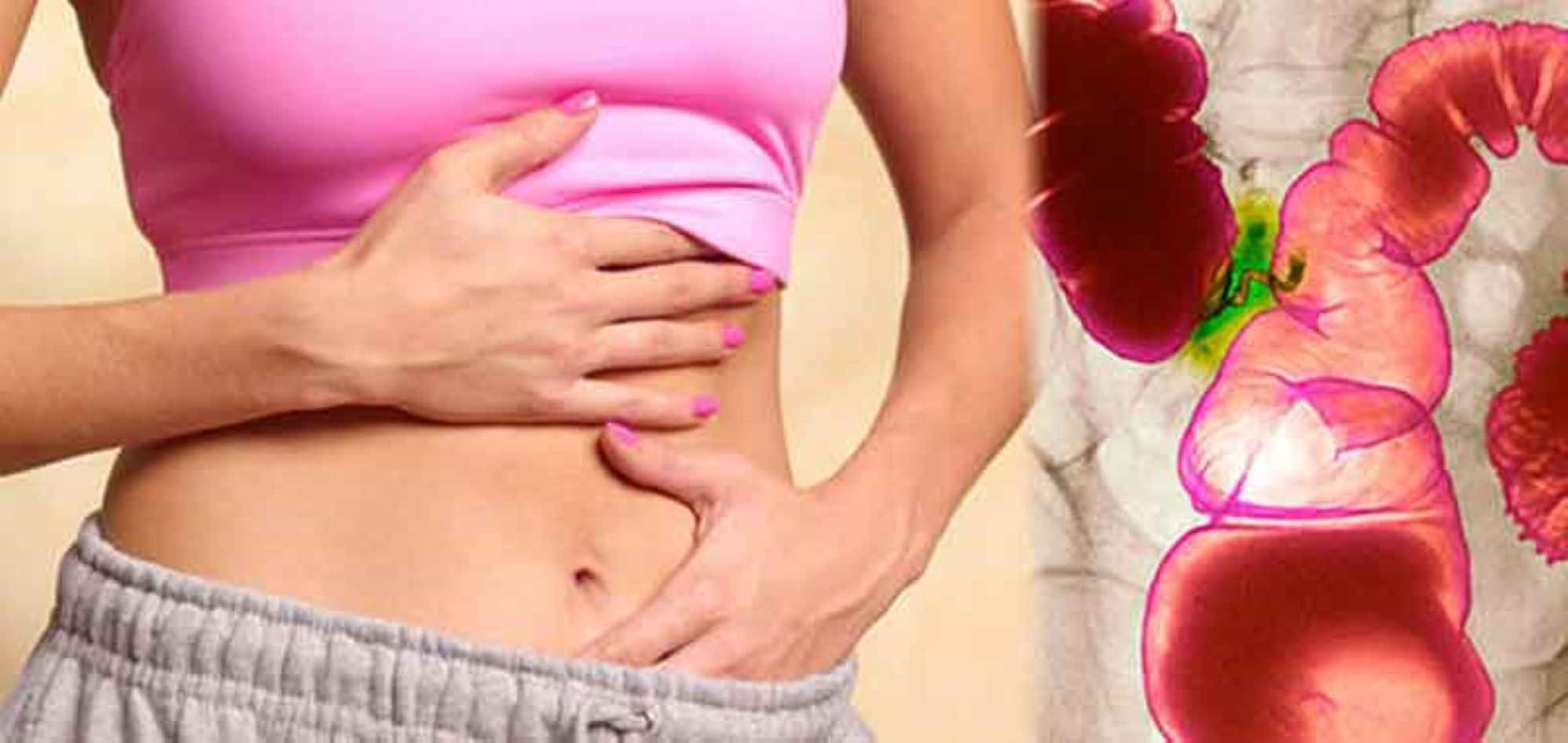
Irritable Bowel Syndrome (IBS) is a common gastrointestinal disorder characterized by symptoms such as abdominal pain, bloating, and irregular bowel habits. As the prevalence of IBS continues to rise, many individuals are seeking alternative treatments to manage their symptoms. Probiotics, which are live microorganisms that confer health benefits when consumed in adequate amounts, have gained attention for their potential role in improving gut health and alleviating IBS symptoms. This article explores the timeline for probiotics to exert their effects on IBS, the underlying mechanisms, and factors influencing their efficacy.
Understanding Irritable Bowel Syndrome and Probiotics
IBS is a multifactorial condition that affects the quality of life of millions worldwide. It is classified into different subtypes based on predominant symptoms, such as IBS-D (diarrhea predominant), IBS-C (constipation predominant), and IBS-M (mixed). The exact cause of IBS remains unclear, but it is believed to involve a combination of gut motility issues, visceral hypersensitivity, and alterations in gut microbiota.
Probiotics are often considered a viable option for managing IBS due to their ability to modulate the gut microbiome. The gut microbiome plays a crucial role in digestion, metabolism, and immune function. An imbalance in the gut flora, known as dysbiosis, has been linked to various gastrointestinal disorders, including IBS. Probiotics can help restore this balance, potentially alleviating symptoms associated with IBS.
The types of probiotics vary widely, including strains from Lactobacillus, Bifidobacterium, and Saccharomyces. Each strain may have different effects on gut health, making it essential to choose the right type for specific symptoms. Understanding the relationship between probiotics and IBS is critical for patients seeking effective management strategies.
Despite the growing interest in probiotics, it is essential to note that not all probiotics are created equal. The efficacy of a probiotic depends on its strain, dosage, and the duration of use. Therefore, a tailored approach is necessary to achieve optimal results for individuals suffering from IBS.
Mechanisms of Action: How Probiotics Affect Gut Health
Probiotics exert their beneficial effects through several mechanisms. One primary action is the modulation of gut microbiota composition, promoting the growth of beneficial bacteria while inhibiting pathogenic strains. This shift in the microbiome can lead to improved gut barrier function, reducing intestinal permeability and inflammation, which are often heightened in IBS patients.
Another mechanism involves the production of short-chain fatty acids (SCFAs) during the fermentation of dietary fibers by probiotics. SCFAs serve as energy sources for colon cells and play a role in regulating gut motility and inflammation. By enhancing SCFA production, probiotics may help alleviate symptoms such as abdominal pain and bloating.
Probiotics may also influence the gut-brain axis, a bidirectional communication system between the gut and the brain. This interaction can affect emotional and psychological well-being, which are often intertwined with IBS symptoms. By improving gut health, probiotics may contribute to better mental health outcomes, potentially reducing the perception of pain and discomfort.
Finally, probiotics can enhance immune function within the gut. They stimulate the production of immunoglobulins and other immune mediators, helping to maintain a balanced immune response. This is particularly important for IBS patients, as dysregulated immune responses can exacerbate gastrointestinal symptoms.
Timeline for Probiotic Effects on IBS Symptoms
The timeline for experiencing the benefits of probiotics can vary significantly among individuals. Generally, some patients may begin to notice improvements within a few days to a week of starting a probiotic regimen. However, for others, it may take several weeks or even months to experience noticeable changes in their symptoms.
Initial improvements often include a reduction in bloating and gas, which may occur as the gut microbiota begins to stabilize. Over time, as the probiotic strains establish themselves in the gut, patients may experience further relief from abdominal pain and changes in bowel habits. Consistency in taking probiotics is crucial, as intermittent use may lead to suboptimal results.
It is important to note that the duration of probiotic use can also influence outcomes. Some studies suggest that a minimum of four to eight weeks of continuous probiotic supplementation is necessary to achieve significant symptom relief. Patients should be patient and maintain their regimen to allow sufficient time for the probiotics to exert their effects.
Monitoring symptoms during the probiotic trial period is essential. Keeping a symptom diary can help individuals track their progress and determine whether the chosen probiotic is effective for their specific IBS subtype.
Factors Influencing Probiotic Efficacy in IBS Patients
Several factors can influence the efficacy of probiotics in managing IBS symptoms. One crucial factor is the specific strain of probiotic used. Different strains have varying mechanisms of action and may target specific symptoms more effectively. For instance, certain Lactobacillus strains may be more beneficial for IBS-D, while Bifidobacterium strains may be more effective for IBS-C.
Dosage is another critical factor. Research indicates that higher doses of probiotics may lead to better outcomes. However, the optimal dosage can vary depending on the strain, so it is essential to follow product recommendations and consult healthcare professionals for personalized advice.
Individual patient characteristics, such as age, gender, and overall health, can also play a role in probiotic effectiveness. For example, younger individuals may respond differently to probiotics compared to older adults, who may have a more complex gut microbiome. Additionally, underlying conditions, such as anxiety or depression, can affect gut health and influence treatment outcomes.
Dietary habits and lifestyle choices are also significant factors. A diet rich in fiber and fermented foods can enhance the effectiveness of probiotics by providing the necessary substrates for bacterial growth. Conversely, a diet high in processed foods and sugars may hinder the benefits of probiotic supplementation.
Clinical Studies: Probiotics and IBS Improvement Rates
Numerous clinical studies have investigated the impact of probiotics on IBS symptoms, with varying results. Some studies report significant improvements in overall symptom scores, while others show minimal or no effects. A systematic review of randomized controlled trials suggests that probiotics can lead to a moderate reduction in abdominal pain and bloating in IBS patients.
For example, a meta-analysis found that certain probiotic strains, such as Bifidobacterium infantis and Lactobacillus rhamnosus, were associated with significant reductions in IBS symptoms compared to placebo. However, the effectiveness of probiotics can vary based on the IBS subtype, with some strains proving more beneficial for specific symptoms.
The duration of the studies also plays a role in the reported outcomes. Short-term studies may not capture the full benefits of probiotics, while longer trials provide a more comprehensive view of their efficacy. Additionally, variations in study design, sample size, and participant demographics can influence results, making it essential to interpret findings cautiously.
Overall, while many studies support the use of probiotics for symptom relief in IBS, more research is needed to establish standardized treatment protocols and identify the most effective strains and dosages for different patient populations.
Recommendations for Probiotic Use in IBS Management
When considering probiotics for IBS management, it is essential to consult a healthcare professional for personalized recommendations. A qualified practitioner can help identify the most suitable probiotic strains based on individual symptoms and health status.
Patients should look for probiotics that contain well-researched strains with proven efficacy for IBS. The product label should specify the strain and the number of colony-forming units (CFUs) to ensure adequate dosing. It is advisable to start with a lower dose and gradually increase it to assess tolerance and effectiveness.
Incorporating dietary changes alongside probiotic use can enhance overall gut health. A diet rich in fiber, prebiotics, and fermented foods can support the growth of beneficial gut bacteria and improve the efficacy of probiotics. Staying hydrated and managing stress through relaxation techniques can also contribute to symptom relief.
Finally, patients should maintain a symptom diary to track their progress and discuss any changes with their healthcare provider. This record can help determine whether the chosen probiotic is effective and whether adjustments to the treatment plan are necessary.
Conclusions:
Probiotics offer a promising avenue for managing IBS symptoms, but the timeline for improvement can vary widely among individuals. Understanding the mechanisms of action, factors influencing efficacy, and the importance of personalized treatment plans is crucial for optimizing outcomes. While clinical studies support the use of probiotics, more research is needed to establish standardized recommendations. Patients should approach probiotic use with patience and an informed mindset, working closely with healthcare professionals to achieve the best results.
Read more
- National Institute of Diabetes and Digestive and Kidney Diseases (NIDDK) – Comprehensive overview of IBS, including symptoms, causes, and treatment options.
- American Gastroenterological Association (AGA) – Detailed resources on IBS management and the role of probiotics.
- World Gastroenterology Organisation (WGO) – Guidelines on the management of IBS, including dietary and probiotic recommendations.
- Cochrane Database of Systematic Reviews – Systematic review of probiotics for IBS, summarizing the evidence and effectiveness of various strains.
- ClinicalTrials.gov – A database of ongoing and completed clinical trials investigating probiotics for IBS, providing insights into current research trends.