

Se hai un abbonamento attivo ACCEDI QUI
Introduction:
Bowel obstruction is a common yet distressing condition that can significantly impact an individual’s quality of life. It can occur due to various factors, including dietary habits, lifestyle choices, and underlying health issues. Understanding how to manage and alleviate this condition at home can empower individuals to take charge of their digestive health. In this article, we will explore the causes and symptoms of bowel obstruction, dietary modifications, effective home remedies, the importance of hydration, when to seek medical attention, and preventive measures to maintain healthy bowel function.
Understanding Bowel Obstruction: Causes and Symptoms
Bowel obstruction occurs when there is a blockage in the intestines, preventing the normal passage of waste. This condition can be caused by several factors, including adhesions from previous surgeries, hernias, tumors, and inflammatory bowel diseases such as Crohn’s disease. Understanding these causes is crucial for identifying potential risk factors and seeking appropriate treatment.
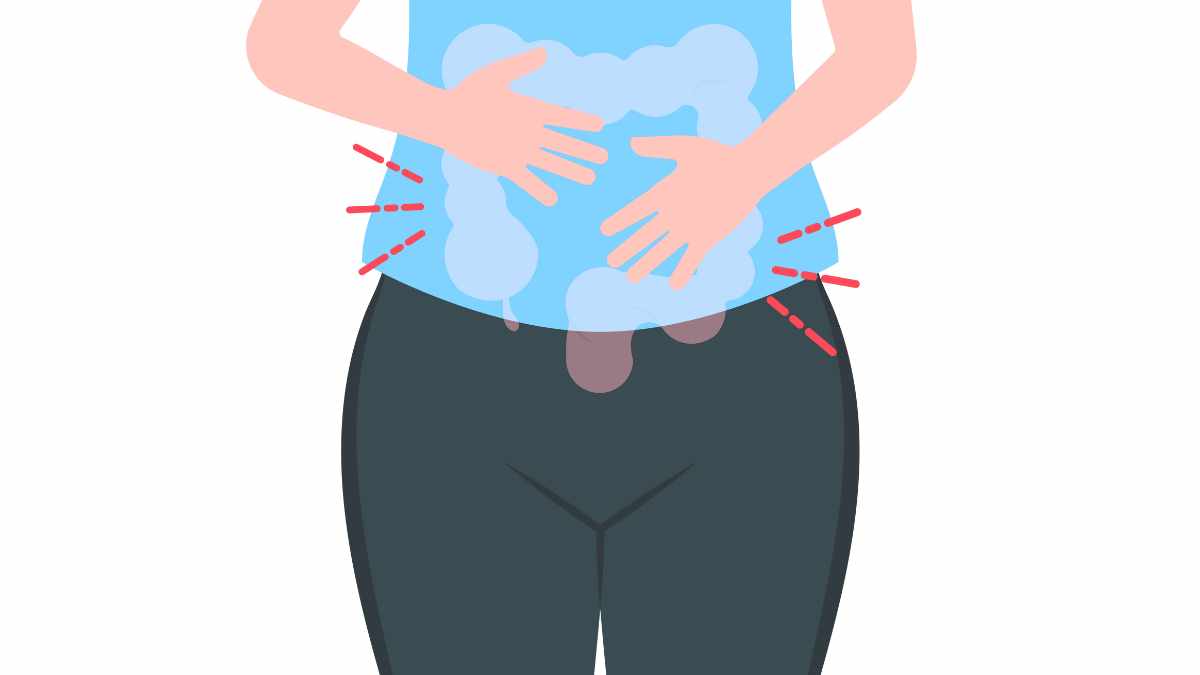
Symptoms of bowel obstruction can vary in severity but often include abdominal pain, bloating, nausea, and vomiting. Patients may also experience a lack of bowel movements or the inability to pass gas, which can be particularly distressing. Recognizing these symptoms early can facilitate timely intervention and prevent complications.
In some cases, bowel obstruction may lead to more severe symptoms, such as dehydration, electrolyte imbalances, and sepsis. These complications can arise if the condition is not addressed promptly. Therefore, it is essential to monitor symptoms closely and seek medical advice when necessary.
Understanding the underlying causes and symptoms of bowel obstruction can help individuals make informed decisions about their health. By recognizing the signs early, it is possible to implement strategies to alleviate discomfort and promote regular bowel function.
Dietary Modifications to Promote Regular Bowel Movements
One of the most effective ways to manage bowel health is through dietary modifications. A diet rich in fiber is crucial for promoting regular bowel movements. Foods such as fruits, vegetables, whole grains, and legumes provide the necessary bulk to help move waste through the intestines. Increasing fiber intake gradually can prevent discomfort and bloating.
Incorporating probiotic-rich foods like yogurt, kefir, and fermented vegetables can also support gut health. Probiotics help maintain a healthy balance of gut bacteria, which is essential for optimal digestion. These foods can enhance the body’s ability to break down nutrients and promote regularity.
It is equally important to limit foods that can contribute to constipation, such as processed foods, dairy products, and red meat. These foods can slow down digestion and lead to further complications. Instead, focus on whole, minimally processed foods that nourish the body and support digestive health.
Lastly, maintaining a consistent eating schedule can help regulate bowel movements. Eating meals at regular intervals signals the digestive system to function optimally, reducing the risk of obstruction and promoting overall gut health.
Effective Home Remedies for Unblocking Bowels
There are several effective home remedies that individuals can use to alleviate symptoms of bowel obstruction. One popular remedy is the use of natural laxatives, such as psyllium husk or flaxseeds. These substances can help soften stool and promote regular bowel movements when taken with adequate water.
Another effective approach is the consumption of warm liquids, particularly herbal teas or warm water with lemon. Warm liquids can stimulate the digestive system and help relax the intestines, making it easier for waste to pass through. Additionally, apple cider vinegar diluted in water may aid digestion and encourage bowel movements.
Incorporating gentle physical activity, such as walking or yoga, can also be beneficial. Movement stimulates the intestines and can help alleviate discomfort associated with bowel obstruction. Simple stretches or poses that focus on the abdominal area may provide relief and promote better digestion.
Lastly, abdominal massage can be an effective technique for relieving constipation. Gently massaging the abdomen in a circular motion can help stimulate bowel activity and encourage the movement of waste through the intestines.
The Role of Hydration in Digestive Health
Hydration plays a critical role in maintaining digestive health and preventing bowel obstruction. Water is essential for softening stool and facilitating its passage through the intestines. Insufficient fluid intake can lead to hard, dry stools that are difficult to eliminate, increasing the risk of constipation and obstruction.
To maintain optimal hydration, it is recommended to drink at least 8-10 glasses of water daily, though individual needs may vary based on factors such as activity level and climate. Including hydrating foods like cucumbers, watermelon, and oranges can also contribute to overall fluid intake.
In addition to water, certain beverages can support digestive health. For instance, herbal teas such as peppermint or ginger can aid digestion and soothe the gastrointestinal tract. However, it is essential to limit the intake of caffeinated and alcoholic beverages, as they can lead to dehydration.
Monitoring urine color can be an effective way to assess hydration levels. A light yellow color typically indicates adequate hydration, while darker urine may signal the need for increased fluid intake. Staying hydrated is a simple yet powerful way to support bowel health and prevent obstruction.
When to Seek Medical Attention for Bowel Issues
While many cases of bowel obstruction can be managed at home, it is crucial to recognize when to seek medical attention. If symptoms such as severe abdominal pain, persistent vomiting, or inability to pass gas or stool occur, it is essential to consult a healthcare professional. These symptoms may indicate a more serious condition requiring immediate intervention.
Additionally, if there are signs of dehydration, such as excessive thirst, dry mouth, or decreased urine output, medical attention is warranted. Dehydration can exacerbate bowel issues and lead to further complications if not addressed promptly.
Individuals with underlying health conditions, such as diabetes or heart disease, should be particularly vigilant about bowel health. Any significant changes in bowel habits or the emergence of new symptoms should be discussed with a healthcare provider to rule out potential complications.
In summary, while many bowel issues can be managed at home, it is vital to remain aware of warning signs that necessitate professional medical evaluation. Early intervention can prevent complications and ensure proper treatment.
Preventive Measures to Maintain Healthy Bowel Function
Preventing bowel obstruction is often achievable through lifestyle and dietary choices. One of the most effective preventive measures is maintaining a high-fiber diet. Regularly consuming fruits, vegetables, whole grains, and legumes can help ensure that the digestive system functions optimally.
In addition to dietary modifications, regular physical activity is crucial for promoting healthy bowel function. Engaging in at least 30 minutes of moderate exercise most days of the week can stimulate intestinal activity and reduce the risk of constipation.
Managing stress is another important factor in maintaining bowel health. Stress can negatively impact digestion and contribute to issues such as constipation or diarrhea. Incorporating relaxation techniques such as meditation, deep breathing exercises, or yoga can help mitigate stress and promote overall well-being.
Lastly, establishing a consistent bathroom routine can aid in preventing bowel obstruction. Listening to the body’s natural urges and not delaying bowel movements can help maintain regularity and prevent complications.
Conclusions:
Bowel obstruction is a challenging condition, but understanding its causes and symptoms, along with implementing dietary modifications and effective home remedies, can significantly improve digestive health. Staying hydrated, recognizing when to seek medical attention, and adopting preventive measures are essential components of maintaining healthy bowel function. By taking proactive steps, individuals can empower themselves to manage their digestive health effectively.
Read more
- Mayo Clinic – Bowel Obstruction: Comprehensive information on causes, symptoms, and treatment options for bowel obstruction.
- Cleveland Clinic – Constipation: Insights into constipation, including dietary recommendations and home remedies.
- National Institute of Diabetes and Digestive and Kidney Diseases – Digestive Diseases: A resource for understanding various digestive diseases, including bowel obstruction.
- Harvard Health Publishing – The Importance of Fiber: An article discussing the role of fiber in digestive health and how to incorporate it into your diet.
- WebMD – Home Remedies for Constipation: A guide to effective home remedies for alleviating constipation and promoting bowel health.