

Se hai un abbonamento attivo ACCEDI QUI
Introduction:
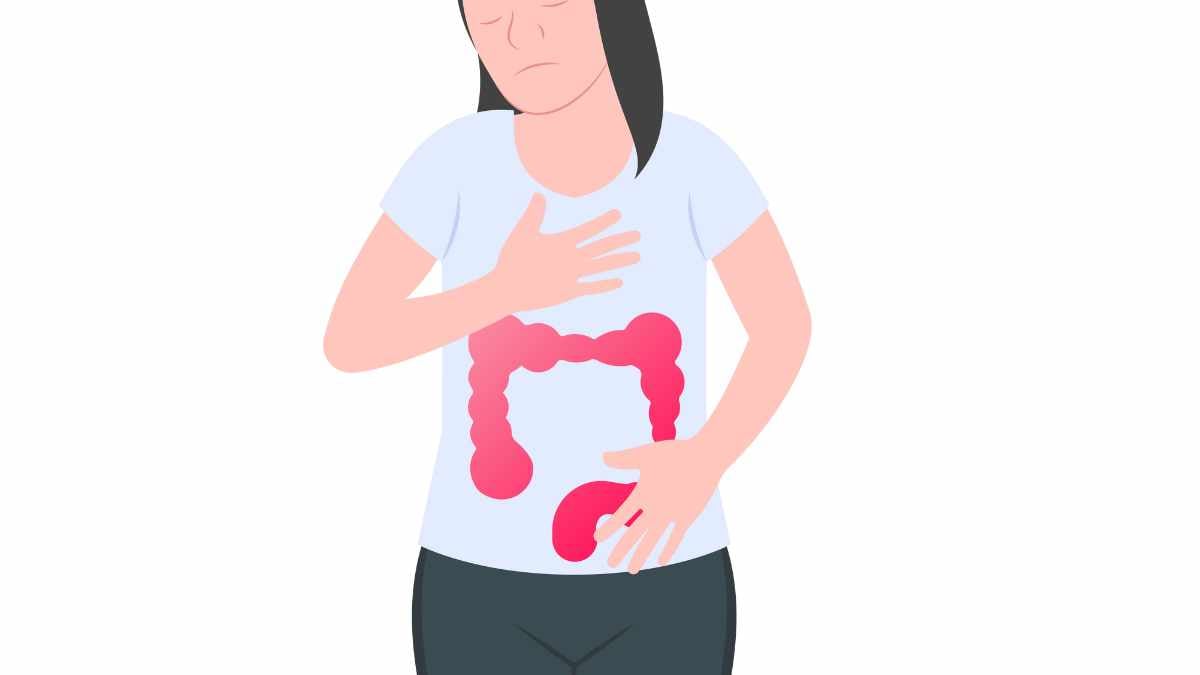
Irritable Bowel Syndrome (IBS) is a common gastrointestinal disorder characterized by a range of symptoms, with abdominal pain being one of the most prominent. Understanding the nature of IBS pain is crucial for effective management and alleviation of discomfort. This article delves into the characteristics of IBS pain, its associated symptoms, differentiation from other gastrointestinal disorders, the impact of psychological factors, underlying mechanisms, and management strategies.
Understanding the Nature of IBS Pain and Discomfort
IBS pain is often described as cramping, sharp, or dull and can vary significantly from one individual to another. Patients frequently report that the pain is intermittent, coming and going in waves, which can be particularly distressing. The location of the pain is typically in the lower abdomen, but it can also manifest in other areas, such as the upper abdomen or even the back. This variability can make it challenging for patients to articulate their discomfort to healthcare providers.
The intensity of IBS pain can fluctuate based on various factors, including diet, stress levels, and hormonal changes. Many patients experience an increase in pain intensity after eating, particularly after consuming trigger foods. This is often accompanied by a sensation of bloating, which can exacerbate the overall feeling of discomfort. Understanding these patterns is vital for both patients and healthcare providers in managing the condition effectively.
Moreover, the pain associated with IBS is often linked to bowel movements. Patients may find that relieving themselves can sometimes alleviate the pain temporarily, leading to a complex relationship between bowel function and pain perception. This connection underscores the need for a comprehensive approach to treatment that addresses both gastrointestinal and pain-related symptoms.
Finally, the subjective nature of pain in IBS means that it can be difficult to quantify or measure. This variability can lead to misunderstandings between patients and healthcare providers, emphasizing the importance of open communication. Recognizing the individualized experience of IBS pain is critical for effective diagnosis and treatment.
Common Symptoms Associated with IBS Pain Episodes
In addition to abdominal pain, IBS is characterized by a constellation of symptoms that can significantly impact a patient’s quality of life. Bloating is one of the most commonly reported symptoms, often described as a feeling of fullness or swelling in the abdomen. This sensation can be uncomfortable and is frequently exacerbated by certain foods, particularly those high in carbohydrates.
Altered bowel habits are another hallmark of IBS, with patients experiencing diarrhea, constipation, or alternating between the two. These changes can be distressing and may occur alongside pain episodes, complicating the overall symptom picture. The unpredictability of bowel habits can lead to anxiety about social situations or travel, further impacting mental well-being.
Additionally, many patients report experiencing mucus in the stool, which can be alarming and often leads to concerns about more serious gastrointestinal conditions. This symptom, while not exclusive to IBS, is commonly associated with the disorder and can contribute to feelings of discomfort and embarrassment.
Lastly, some patients may experience extra-intestinal symptoms, such as fatigue, sleep disturbances, and even headaches. These symptoms can be linked to the chronic nature of IBS and the stress it places on patients, further complicating the management of the condition. Recognizing the full spectrum of symptoms is crucial for developing a comprehensive treatment plan.
Distinguishing IBS Pain from Other Gastrointestinal Disorders
Differentiating IBS pain from other gastrointestinal disorders is essential for accurate diagnosis and treatment. Conditions such as inflammatory bowel disease (IBD), celiac disease, and gastrointestinal infections can present with similar symptoms, including abdominal pain and altered bowel habits. However, IBS is classified as a functional gastrointestinal disorder, meaning that it is characterized by symptoms without identifiable structural or biochemical abnormalities.
One key distinction is that IBS pain is often relieved by bowel movements, whereas pain from conditions like IBD may persist regardless of bowel function. Additionally, the presence of red flags such as unexplained weight loss, severe pain, or blood in the stool should prompt further investigation for other underlying conditions. These symptoms are not typical of IBS and warrant immediate medical attention.
Furthermore, diagnostic criteria for IBS, such as the Rome IV criteria, focus on symptom patterns rather than laboratory tests or imaging studies. This contrasts with other gastrointestinal disorders, where diagnostic procedures may be necessary to confirm the presence of inflammation or other abnormalities. Understanding these differences is crucial for both patients and healthcare providers in navigating the diagnostic process.
Lastly, the chronic nature of IBS pain, often accompanied by psychological factors, sets it apart from other gastrointestinal disorders. Patients with IBS frequently report a history of stress or anxiety, which can exacerbate their symptoms. This connection highlights the importance of a holistic approach to treatment that considers both physical and psychological aspects of the disorder.
The Role of Stress and Anxiety in IBS Pain Perception
The relationship between stress, anxiety, and IBS pain is well-documented, with many patients reporting that their symptoms worsen during periods of heightened emotional distress. Stress can trigger the gut-brain axis, a bidirectional communication system between the gastrointestinal tract and the brain, leading to increased sensitivity to pain and discomfort. This phenomenon can result in a vicious cycle where pain exacerbates stress, which in turn worsens pain.
Moreover, anxiety can influence bowel function, leading to symptoms such as diarrhea or constipation. Patients may find themselves in a constant state of worry about their symptoms, which can exacerbate their condition. This psychological burden can lead to avoidance behaviors, where individuals limit their activities or social interactions to prevent potential flare-ups, further impacting their quality of life.
Cognitive-behavioral therapy (CBT) has emerged as a promising intervention for managing the psychological aspects of IBS. CBT can help patients develop coping strategies to manage stress and anxiety, ultimately leading to a reduction in pain perception. By addressing the psychological components of IBS, patients may experience improvements in both their mental well-being and their physical symptoms.
Finally, mindfulness and relaxation techniques have also been shown to be beneficial for IBS patients. Practices such as yoga, meditation, and deep breathing exercises can help reduce stress and promote a sense of calm, potentially alleviating the severity of IBS pain. Understanding the interplay between psychological factors and IBS pain is essential for developing a comprehensive treatment plan.
Mechanisms Behind the Sensation of Pain in IBS Patients
The sensation of pain in IBS patients is complex and multifaceted, involving both physiological and psychological components. One of the primary mechanisms is visceral hypersensitivity, where the nerves in the gastrointestinal tract become overly sensitive to stimuli. This heightened sensitivity can lead to the perception of pain even in response to normal digestive processes, such as the movement of gas or food through the intestines.
Additionally, alterations in gut motility can contribute to the sensation of pain. In IBS patients, the normal contractions of the intestines may become irregular, leading to episodes of cramping or spasms. These changes can result in increased pressure within the bowel, further exacerbating pain and discomfort. Understanding these physiological mechanisms is crucial for developing targeted treatment strategies.
The role of inflammation, although less pronounced in IBS compared to conditions like IBD, cannot be overlooked. Some studies suggest that low-grade inflammation may play a role in the development of IBS symptoms, potentially contributing to pain perception. This inflammation can affect the gut’s ability to communicate with the brain, leading to a dysregulated pain response.
Finally, the influence of gut microbiota on pain perception is an emerging area of research. Dysbiosis, or an imbalance in gut bacteria, has been implicated in the development of IBS symptoms. The gut microbiome can interact with the immune system and influence inflammation, potentially affecting pain sensitivity. Understanding these underlying mechanisms is essential for developing effective treatment approaches for IBS patients.
Management Strategies for Alleviating IBS Pain Symptoms
Managing IBS pain requires a multifaceted approach that addresses both physical and psychological aspects of the disorder. Dietary modifications are often the first line of treatment, with many patients finding relief by following a low-FODMAP diet. This diet involves reducing the intake of fermentable carbohydrates that can exacerbate symptoms, leading to a decrease in bloating and pain.
In addition to dietary changes, probiotics have gained popularity as a potential adjunctive treatment for IBS. Some studies suggest that specific strains of probiotics may help restore balance to the gut microbiome, potentially alleviating symptoms. However, the effectiveness of probiotics can vary among individuals, and further research is needed to establish their role in IBS management.
Medications may also be prescribed to help manage IBS pain. Antispasmodics can help relieve cramping and discomfort, while antidepressants may be used to address the psychological components of the disorder. These medications can help modulate pain perception and improve overall quality of life for patients.
Finally, incorporating stress management techniques into treatment plans is essential for many IBS patients. Cognitive-behavioral therapy, mindfulness practices, and relaxation techniques can help reduce anxiety and stress, ultimately leading to a decrease in pain perception. A comprehensive approach that addresses both the physical and psychological aspects of IBS is crucial for effective management.
Conclusions:
Understanding the nature of IBS pain is vital for patients and healthcare providers alike. By recognizing the complex interplay between physical symptoms, psychological factors, and dietary influences, a more effective management strategy can be developed. With a combination of dietary modifications, psychological interventions, and appropriate medications, many patients can find relief from the debilitating pain associated with IBS.
Read more:
- International Foundation for Gastrointestinal Disorders (IFFGD) – A comprehensive resource for understanding IBS and its management.
- American College of Gastroenterology (ACG) – Offers guidelines and information on IBS diagnosis and treatment.
- Mayo Clinic – Irritable Bowel Syndrome – Detailed overview of symptoms, causes, and treatment options for IBS.
- Cleveland Clinic – IBS Overview – Provides insights into IBS symptoms and management strategies.
- Harvard Health Publishing – Understanding IBS – An informative article discussing the nature of IBS and its impact on patients.