

Introduction:
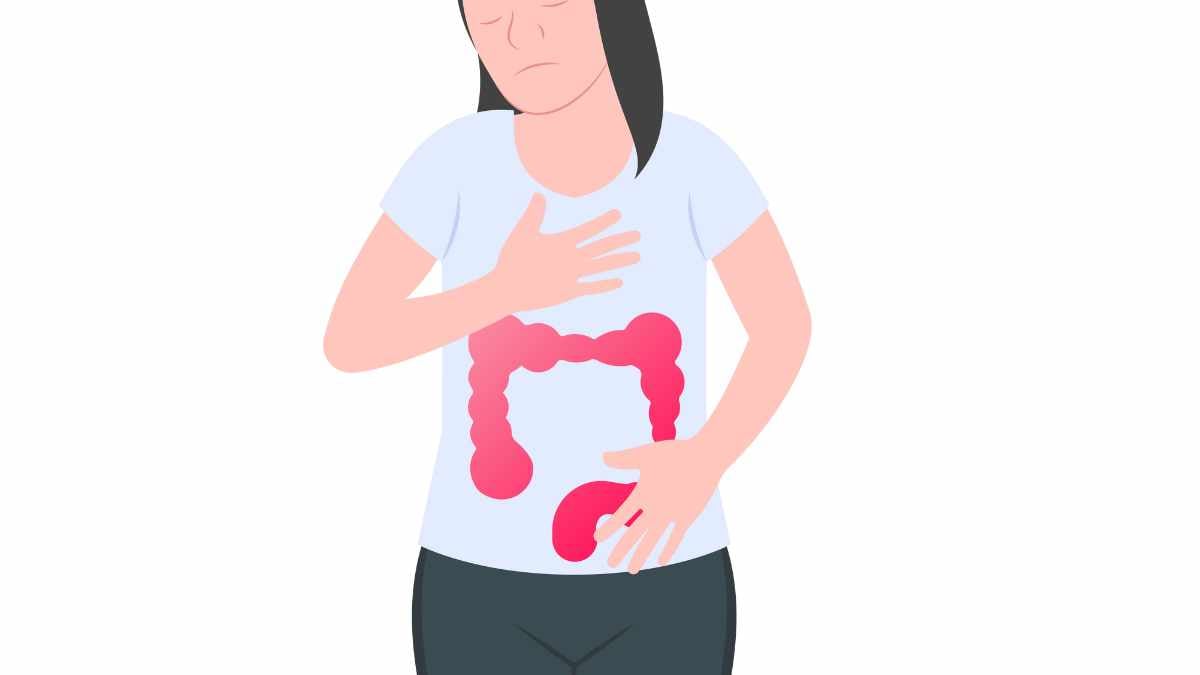
Morning bowel movements are a common occurrence for many individuals, often seen as a natural part of the daily routine. However, the mechanisms behind why some people experience immediate bowel activity upon waking can be complex and multifactorial. Understanding the physiological processes, the role of diet and hydration, and the impact of lifestyle choices can provide valuable insights into this phenomenon. This article delves into the various factors that contribute to immediate morning bowel movements, offering a comprehensive overview of the topic.
Understanding the Physiology of Morning Bowel Movements
The human body operates on a circadian rhythm, which influences various physiological processes, including digestion. During the night, the body enters a resting state, and the digestive system slows down significantly. Upon waking, the body transitions back to an active state, triggering a series of hormonal and neural responses that can stimulate bowel activity. The gastrocolic reflex, a physiological response that occurs when the stomach is distended, plays a crucial role in this process. When food enters the stomach, signals are sent to the colon, prompting it to contract and move contents toward the rectum.
In the morning, the release of hormones such as cortisol and serotonin can further enhance gastrointestinal motility. Cortisol, often referred to as the stress hormone, peaks in the early morning and can stimulate bowel movements. Similarly, serotonin, a neurotransmitter that regulates mood and gut function, can influence the contractions of the intestines, promoting a sense of urgency to defecate shortly after waking.
Additionally, the body’s natural urge to eliminate waste can be influenced by the accumulation of stool in the colon overnight. As the bowel fills, stretch receptors signal the brain, creating a sensation of fullness that often leads to the need to have a bowel movement. This interplay between physiological responses and the accumulation of stool is crucial for understanding why some individuals may feel the urge to empty their bowels immediately in the morning.
Lastly, the position of the body during sleep can also impact bowel function. Lying down may slow down the digestive process, but when a person stands up, gravity assists in moving contents through the intestines, potentially triggering a bowel movement. This combination of physiological factors sets the stage for morning bowel activity.
Common Factors That Stimulate Immediate Bowel Activity
Several lifestyle and dietary factors can contribute to the stimulation of immediate bowel activity in the morning. One of the most significant factors is the consumption of a balanced breakfast. Foods rich in fiber, such as whole grains, fruits, and vegetables, can stimulate the digestive system and promote regularity. The act of eating itself can trigger the gastrocolic reflex, leading to an increased likelihood of a bowel movement shortly after breakfast.
Another common factor is the timing of meals. Individuals who maintain a consistent eating schedule may find that their bodies adapt to this routine, leading to predictable bowel movements. For example, those who eat breakfast at the same time every day may develop a conditioned response, prompting their bodies to prepare for a bowel movement at that time.
Physical activity is also a critical component in promoting regular bowel movements. Engaging in morning exercises, such as stretching or jogging, can stimulate intestinal contractions and enhance gastrointestinal motility. The increased blood flow to the digestive organs during physical activity can help facilitate the movement of stool through the intestines.
Lastly, psychological factors such as stress and anxiety can influence bowel habits. For some individuals, the morning rush or the anticipation of the day’s events can trigger a bowel movement. The connection between the brain and the gut, often referred to as the gut-brain axis, highlights how emotional states can impact digestive health.
The Role of Dietary Fiber in Promoting Regularity
Dietary fiber plays a fundamental role in maintaining digestive health and promoting regular bowel movements. There are two types of fiber: soluble and insoluble. Soluble fiber dissolves in water and forms a gel-like substance, which can help regulate bowel movements by slowing digestion and providing a sense of fullness. Foods rich in soluble fiber include oats, beans, and fruits like apples and citrus.
On the other hand, insoluble fiber adds bulk to the stool and helps it pass more quickly through the intestines. This type of fiber is found in whole grains, nuts, and vegetables. A diet high in both types of fiber can help prevent constipation and promote regularity, making it easier for individuals to have bowel movements in the morning.
Moreover, fiber-rich foods can also influence the composition of gut microbiota, which plays a crucial role in digestive health. A healthy gut microbiome can enhance the fermentation of fiber, producing short-chain fatty acids that promote bowel health and regularity. This symbiotic relationship between diet, gut bacteria, and bowel function underscores the importance of fiber in the diet.
To achieve optimal digestive health, it is recommended that adults consume at least 25 to 30 grams of fiber per day. Incorporating a variety of fiber-rich foods into the diet can help ensure regular bowel movements and improve overall digestive health.
Hydration: Its Impact on Morning Digestive Health
Hydration is a critical factor in maintaining digestive health and promoting regular bowel movements. Water plays a vital role in softening stool, making it easier to pass. When the body is adequately hydrated, the intestines can absorb water from the food we consume, resulting in softer and bulkier stools. This is particularly important in the morning when the body may be slightly dehydrated after several hours of sleep.
Inadequate hydration can lead to constipation, a condition characterized by infrequent or difficult bowel movements. When the body lacks sufficient water, the colon absorbs more water from the stool, making it harder and more challenging to pass. This can create discomfort and delay the urge to have a bowel movement in the morning.
To promote optimal hydration, it is essential to start the day with a glass of water. Drinking water upon waking can help kickstart the digestive system and stimulate bowel activity. Additionally, incorporating hydrating foods such as fruits and vegetables into the diet can further support hydration and digestive health.
It is generally recommended that adults consume at least 8 cups (64 ounces) of water daily, although individual needs may vary based on factors such as activity level, climate, and overall health. Maintaining proper hydration can significantly impact the regularity and ease of morning bowel movements.
Caffeine and Its Effects on Gastrointestinal Motility
Caffeine is a well-known stimulant that can have a significant impact on gastrointestinal motility. Many people consume caffeinated beverages, such as coffee or tea, as part of their morning routine. Caffeine has been shown to increase the production of gastric acid and stimulate the muscles of the intestines, promoting bowel movements.
Research indicates that caffeine can enhance the gastrocolic reflex, leading to an increased urge to defecate shortly after consumption. This effect is particularly pronounced in individuals who regularly consume caffeine, as their bodies may become conditioned to respond to caffeine with increased bowel activity.
Moreover, the temperature of the beverage can also play a role. Hot drinks, in particular, may stimulate bowel movements more effectively than cold beverages. The warmth can relax the muscles of the digestive tract, enhancing the urge to eliminate waste.
While caffeine can be beneficial for promoting morning bowel movements, it is essential to consume it in moderation. Excessive caffeine intake can lead to negative side effects, such as increased anxiety and digestive discomfort. Therefore, individuals should be mindful of their caffeine consumption and consider their overall digestive health.
Lifestyle Habits That Facilitate Morning Bowel Movements
Several lifestyle habits can facilitate regular morning bowel movements. One of the most effective habits is establishing a consistent morning routine. By waking up at the same time each day and allowing time for a relaxed morning, individuals can create an environment conducive to bowel activity. This routine can help signal the body to prepare for a bowel movement.
Incorporating physical activity into the morning routine can also be beneficial. Engaging in light exercises, such as yoga or walking, can stimulate the digestive system and promote bowel movements. Regular exercise has been shown to enhance gastrointestinal motility and reduce the risk of constipation.
Additionally, creating a stress-free environment can positively impact bowel health. Stress management techniques, such as mindfulness, meditation, or deep breathing exercises, can help reduce anxiety and promote relaxation, which may facilitate morning bowel movements. The connection between stress and digestive health underscores the importance of mental well-being in maintaining regularity.
Lastly, listening to the body’s natural cues is essential. Individuals should pay attention to their body’s signals and not ignore the urge to have a bowel movement. Responding promptly to these cues can help establish a routine and promote overall digestive health.
Conclusions:
Understanding the factors that contribute to immediate morning bowel movements can provide valuable insights into maintaining digestive health. From physiological responses to dietary choices and lifestyle habits, various elements play a role in promoting regularity. By incorporating fiber-rich foods, staying hydrated, and establishing consistent routines, individuals can enhance their digestive health and facilitate morning bowel movements.
Read more:
- National Institute of Diabetes and Digestive and Kidney Diseases (NIDDK) – A reliable source for information on digestive health and bowel function.
- Mayo Clinic – Dietary Fiber: Essential for a Healthy Diet – An article discussing the importance of dietary fiber in promoting regularity.
- Cleveland Clinic – The Gut-Brain Connection – Insight into how psychological factors can influence digestive health.
- Harvard Health Publishing – The Health Benefits of Caffeine – An overview of caffeine’s effects on health, including its impact on digestion.
- American Gastroenterological Association – Constipation – A comprehensive resource on constipation and its management.