

Introduction:
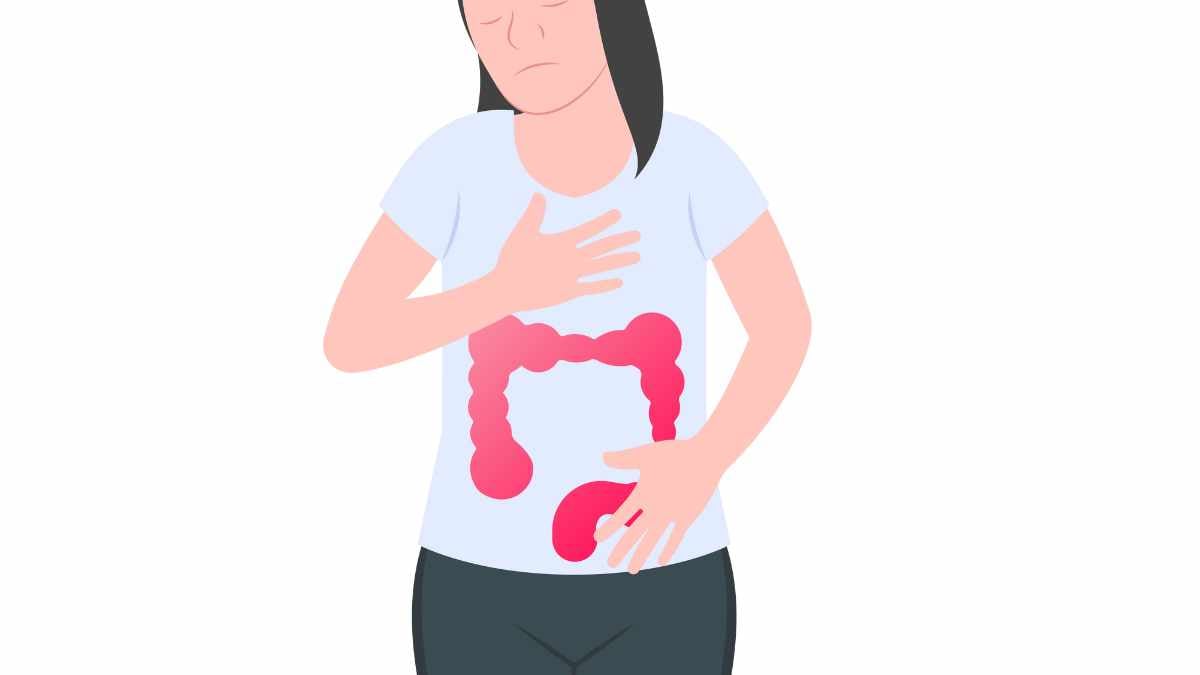
Irritable Bowel Syndrome (IBS) is a common gastrointestinal disorder characterized by symptoms such as abdominal pain, bloating, and altered bowel habits. While the exact cause of IBS remains elusive, emerging research suggests a significant role of gut bacteria in its pathogenesis. Understanding the relationship between bacterial populations and IBS can lead to improved diagnostic and therapeutic strategies.
Understanding Irritable Bowel Syndrome: A Brief Overview
Irritable Bowel Syndrome affects millions of individuals worldwide, manifesting in various forms, including IBS-D (diarrhea-predominant), IBS-C (constipation-predominant), and IBS-M (mixed). The disorder is classified as a functional gastrointestinal disorder, meaning that it is diagnosed based on symptoms rather than identifiable structural or biochemical abnormalities. The complexity of IBS symptoms often leads to misdiagnosis and inadequate treatment, underscoring the need for a deeper understanding of its underlying mechanisms.
The pathophysiology of IBS is multifactorial, involving a combination of genetic, environmental, and psychological factors. Stress, dietary habits, and previous gastrointestinal infections have all been implicated in the onset and exacerbation of IBS symptoms. As a result, the disorder presents a unique challenge for healthcare providers, necessitating a comprehensive approach to management that addresses both physiological and psychological aspects.
Recent studies have highlighted the potential link between gut microbiota and IBS. The gut microbiome, a complex ecosystem of microorganisms residing in the gastrointestinal tract, plays a crucial role in digestion and immune function. Dysbiosis, or an imbalance in the gut microbiota, has been associated with various gastrointestinal disorders, including IBS. This connection has prompted researchers to investigate how specific bacterial populations may contribute to the symptoms experienced by IBS patients.
Understanding the nuances of IBS is essential for developing effective treatment strategies. A thorough grasp of the interplay between gut bacteria and host physiology can pave the way for innovative therapies aimed at restoring microbial balance and alleviating symptoms. As research continues to evolve, it is becoming increasingly clear that addressing the gut microbiome may be a key component in the management of IBS.
The Role of Gut Microbiota in Digestive Health
The gut microbiota comprises trillions of microorganisms, including bacteria, viruses, fungi, and archaea, that inhabit the gastrointestinal tract. These microorganisms play a vital role in maintaining digestive health, influencing nutrient absorption, metabolism, and immune function. A balanced gut microbiome is essential for optimal health, while dysbiosis can lead to various health issues, including IBS.
Research has shown that individuals with IBS often exhibit distinct microbial profiles compared to healthy individuals. For instance, studies have identified a reduction in beneficial bacteria, such as Bifidobacteria and Lactobacilli, in IBS patients. Conversely, there is often an increase in pathogenic bacteria, which may contribute to inflammation and altered gut motility. This dysbiotic state can lead to a range of symptoms, including abdominal pain, bloating, and irregular bowel movements.
The gut-brain axis, a bidirectional communication pathway between the gastrointestinal tract and the central nervous system, further complicates the relationship between gut microbiota and IBS. Stress and psychological factors can influence gut motility and permeability, while alterations in gut microbiota can impact mood and behavior. This intricate interplay highlights the importance of considering both microbial and psychological factors in the management of IBS.
Emerging evidence suggests that dietary interventions, such as the implementation of a low-FODMAP diet or the use of probiotics, may help restore microbial balance and alleviate IBS symptoms. These approaches aim to modify the gut microbiome, promoting the growth of beneficial bacteria while reducing the abundance of pathogenic species. As our understanding of the gut microbiota continues to grow, so too does the potential for targeted dietary strategies in the management of IBS.
Identifying Bacterial Pathogens Linked to IBS Symptoms
Several bacterial pathogens have been implicated in the development and exacerbation of IBS symptoms. One notable example is Clostridium difficile, a bacterium that can cause severe gastrointestinal infections, particularly following antibiotic use. Research indicates that prior infections with C. difficile may predispose individuals to IBS, as the infection can disrupt the gut microbiome and lead to long-lasting changes in gut function.
Another group of bacteria linked to IBS is the enterotoxigenic Escherichia coli (ETEC). ETEC is known to cause diarrhea and gastrointestinal distress, and its presence has been associated with post-infectious IBS. The mechanisms by which ETEC influences gut function involve the production of toxins that disrupt intestinal barrier integrity, leading to increased permeability and inflammation.
Additionally, Bacteroides and Firmicutes phyla have been studied for their roles in IBS. An imbalance in the ratios of these bacterial groups has been observed in IBS patients, suggesting that specific bacterial populations may contribute to symptom manifestation. Understanding the specific strains and their functional roles in the gut can provide insights into potential therapeutic targets.
Identifying bacterial pathogens linked to IBS is crucial for developing targeted treatments. By elucidating the specific bacteria involved in symptom exacerbation, researchers can explore the potential for probiotics or other microbiome-modulating therapies to restore balance and improve patient outcomes. As the field of microbiome research advances, the identification of these pathogens will become increasingly important in the context of IBS management.
Mechanisms of Bacterial Influence on Gut Functionality
The mechanisms by which bacteria influence gut functionality are complex and multifaceted. One primary mechanism involves the production of metabolites, such as short-chain fatty acids (SCFAs), which are generated through the fermentation of dietary fibers by beneficial gut bacteria. SCFAs play a crucial role in maintaining gut health by promoting intestinal barrier integrity, modulating inflammation, and influencing gut motility. Dysbiosis can lead to reduced SCFA production, contributing to the symptoms of IBS.
Another mechanism involves the modulation of the gut-brain axis. Certain bacteria can produce neurotransmitters and other signaling molecules that affect brain function and behavior. For instance, some strains of Lactobacillus and Bifidobacterium have been shown to produce gamma-aminobutyric acid (GABA), a neurotransmitter that promotes relaxation and may alleviate stress-related gastrointestinal symptoms. This connection between gut bacteria and the central nervous system underscores the importance of a healthy microbiome in overall well-being.
Furthermore, pathogenic bacteria can disrupt the intestinal barrier, leading to increased gut permeability, often referred to as "leaky gut." This condition allows toxins and antigens to enter the bloodstream, triggering systemic inflammation and exacerbating IBS symptoms. Understanding how specific bacteria contribute to this process can inform therapeutic strategies aimed at restoring gut barrier function and reducing inflammation.
The influence of bacteria on gut functionality extends beyond mere presence or absence; it involves intricate interactions with host cells and immune responses. By elucidating these mechanisms, researchers can develop targeted interventions that not only address the symptoms of IBS but also promote long-term gut health through the restoration of a balanced microbiome.
Current Research on Bacteria and IBS Pathogenesis
Current research is increasingly focused on understanding the role of bacteria in the pathogenesis of IBS. Studies utilizing advanced sequencing technologies have revealed significant differences in the gut microbiota composition of IBS patients compared to healthy controls. These findings suggest that specific bacterial profiles may serve as biomarkers for IBS diagnosis and treatment response.
In addition to compositional analysis, researchers are investigating the functional capabilities of gut bacteria. Metagenomic studies aim to characterize the metabolic pathways utilized by gut microbiota, providing insights into how these microorganisms contribute to health and disease. This functional approach allows for a more comprehensive understanding of the interactions between bacteria and host physiology, paving the way for targeted therapeutic interventions.
Clinical trials exploring the efficacy of probiotics and prebiotics in IBS management are also gaining momentum. Preliminary results indicate that certain probiotic strains may alleviate symptoms in some patients, although the effectiveness can vary based on individual microbiome composition. Ongoing research aims to identify the most beneficial strains and optimal dosages for IBS patients.
Moreover, the exploration of fecal microbiota transplantation (FMT) as a treatment for IBS is an exciting area of research. FMT involves transferring gut microbiota from a healthy donor to a recipient, with the goal of restoring microbial balance. Early studies have shown promising results, particularly in patients with post-infectious IBS. Continued investigation into FMT’s mechanisms and long-term effects will be crucial for its potential application in IBS treatment.
Future Directions in IBS Treatment and Bacterial Research
The future of IBS treatment is likely to be shaped by advancements in our understanding of the gut microbiome. As research continues to uncover the intricate relationships between specific bacterial populations and IBS symptoms, personalized treatment approaches may emerge. Tailoring interventions based on an individual’s unique microbiome profile could enhance treatment efficacy and improve patient outcomes.
Innovative therapies, such as targeted probiotics and synbiotics (a combination of probiotics and prebiotics), are being developed to address specific dysbiotic states associated with IBS. These therapies aim to restore microbial balance and alleviate symptoms by promoting the growth of beneficial bacteria while inhibiting pathogenic species. Ongoing clinical trials will be essential in determining the effectiveness of these novel approaches.
Furthermore, the integration of dietary interventions into IBS management is gaining traction. The low-FODMAP diet, which restricts fermentable carbohydrates, has shown efficacy in reducing IBS symptoms for many patients. Future research will likely focus on optimizing dietary strategies and exploring the role of specific nutrients in modulating gut microbiota.
As our understanding of the gut-brain axis deepens, the potential for psychobiotic therapies—probiotics that specifically target mental health—may also play a role in IBS management. Addressing the psychological aspects of IBS through microbiome modulation could offer a holistic approach to treatment, ultimately improving the quality of life for individuals living with this challenging disorder.
Conclusions:
The relationship between bacteria and Irritable Bowel Syndrome is a burgeoning field of research that holds promise for improving diagnosis and treatment. By understanding the specific bacterial populations involved in IBS and their mechanisms of influence on gut functionality, researchers can develop targeted interventions that restore microbial balance and alleviate symptoms. As the field evolves, a more nuanced approach to IBS management that incorporates microbiome research, dietary interventions, and psychological considerations is likely to emerge, offering hope to millions affected by this complex disorder.
Read more
- National Institute of Diabetes and Digestive and Kidney Diseases (NIDDK) – Comprehensive information on IBS, including symptoms, diagnosis, and treatment options.
- American Gastroenterological Association (AGA) – Evidence-based guidelines for the management of IBS, focusing on diagnostic and therapeutic strategies.
- Nature Reviews Gastroenterology & Hepatology – A review article discussing the role of the gut microbiome in IBS and potential therapeutic approaches.
- Frontiers in Microbiology – A research article exploring the connection between gut microbiota and IBS, highlighting key findings and future directions.
- Journal of Clinical Gastroenterology – A study examining the efficacy of probiotics and prebiotics in managing IBS symptoms, providing insights into current research trends.