

Introduction:
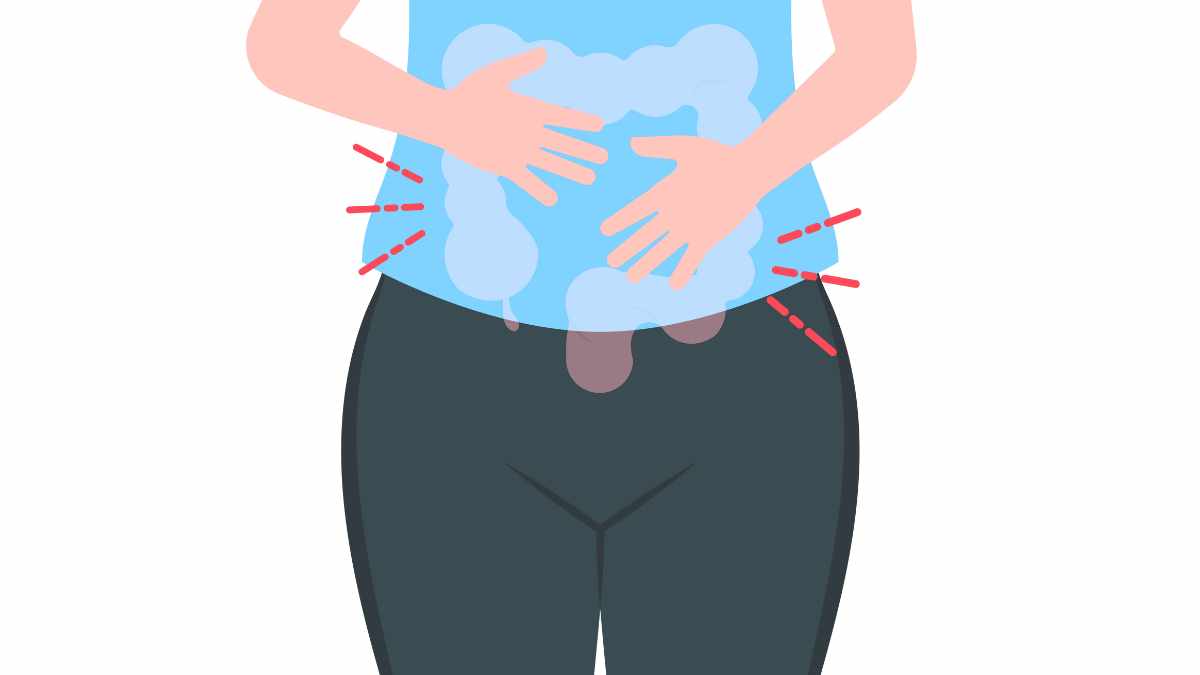
Experiencing the urge to defecate immediately after eating can be a perplexing phenomenon for many individuals. This reaction is often linked to the body’s natural responses to food intake, particularly the gastrocolic reflex. Understanding the mechanisms behind this reflex, as well as the factors that influence bowel movements, can provide clarity on why some people feel the need to poop shortly after meals. This article delves into the complexities of gastrointestinal motility and the various elements that contribute to immediate postprandial bowel movements.
Understanding the Gastrocolic Reflex and Its Mechanism
The gastrocolic reflex is a physiological response that occurs when food enters the stomach, triggering a series of contractions in the colon. This reflex is designed to make room for incoming food by stimulating the movement of stool through the intestines. The gastrocolic reflex is particularly pronounced in infants and can vary in intensity among adults. Its activation is primarily mediated by the release of hormones and neurotransmitters that signal the digestive system to prepare for the processing of food.
When food is ingested, the stomach expands, and stretch receptors are activated. This sends signals to the brain, which then communicates with the colon to initiate peristalsis, the wave-like muscle contractions that propel contents through the gastrointestinal tract. The timing and intensity of this reflex can differ based on individual physiology, dietary habits, and even psychological factors, such as stress or anxiety.
In some individuals, the gastrocolic reflex may be more sensitive, leading to a stronger urge to defecate shortly after eating. This heightened sensitivity can be influenced by factors such as the type of food consumed, the volume of food, and individual variations in gut motility. Understanding this reflex is crucial for those who experience immediate bowel movements post-meal, as it is a normal bodily response rather than a sign of an underlying issue.
Moreover, the gastrocolic reflex can be influenced by the circadian rhythm and overall gut health. For instance, individuals with a well-functioning digestive system may experience a more pronounced reflex, while those with gastrointestinal disorders may notice irregularities in their bowel habits. Recognizing the role of this reflex can help individuals better understand their body’s responses to food intake.
The Role of Digestion in Gastrointestinal Motility
Digestion is a complex process that involves the breakdown of food into nutrients that the body can absorb. This process begins in the mouth and continues in the stomach and intestines. As food moves through the digestive tract, it stimulates various hormones and enzymes that facilitate digestion and absorption. Gastrointestinal motility, or the movement of food through the digestive system, is essential for efficient digestion and nutrient absorption.
The stomach plays a significant role in this process by mixing food with gastric juices, creating a semi-liquid substance called chyme. Once the chyme is formed, it gradually enters the small intestine, where the majority of nutrient absorption occurs. The presence of chyme in the small intestine triggers further motility in the colon, promoting the movement of waste toward the rectum. This coordinated effort ensures that the digestive system functions optimally.
In addition to the mechanical aspects of digestion, the nervous system also plays a critical role in regulating gastrointestinal motility. The enteric nervous system, often referred to as the "second brain," governs the contractions of the intestines and coordinates the digestive process. This intricate network of neurons can be influenced by various factors, including stress, emotions, and dietary choices, which can impact the timing and urgency of bowel movements.
Furthermore, the overall health of the gut microbiome can significantly influence gastrointestinal motility. A balanced microbiome contributes to regular bowel movements, while dysbiosis, or an imbalance of gut bacteria, can lead to irregularities in digestion and elimination. Understanding the interplay between digestion and motility is essential for those who experience immediate bowel movements after eating, as it highlights the complexity of the digestive process.
Factors Influencing Postprandial Bowel Movements
Several factors can influence the timing and frequency of bowel movements after eating. One of the primary factors is the composition of the meal itself. High-fiber foods, for example, can stimulate bowel movements by increasing stool bulk and promoting peristalsis. Conversely, low-fiber diets may lead to slower transit times and less frequent bowel movements.
Another significant factor is the volume of food consumed. Larger meals can trigger a stronger gastrocolic reflex, leading to a more pronounced urge to defecate shortly after eating. Additionally, the temperature of the food—whether hot or cold—can also affect gastrointestinal motility, with some individuals experiencing a more immediate response to hot meals.
Hydration levels play a crucial role in bowel health as well. Adequate fluid intake is necessary for maintaining stool consistency and promoting regular bowel movements. Dehydration can lead to harder stools and constipation, while proper hydration can facilitate smoother transit through the intestines.
Lastly, psychological factors such as stress and anxiety can significantly impact bowel habits. The gut-brain connection means that emotional states can influence digestive processes, potentially leading to increased urgency to defecate after meals. Recognizing these factors can help individuals identify patterns in their bowel habits and make informed dietary and lifestyle choices.
Common Medical Conditions Linked to Immediate Defecation
Certain medical conditions may contribute to the phenomenon of immediate defecation after eating. One such condition is Irritable Bowel Syndrome (IBS), a functional gastrointestinal disorder characterized by symptoms such as abdominal pain, bloating, and altered bowel habits. Individuals with IBS may experience heightened sensitivity to food intake, leading to urgent bowel movements shortly after eating.
Another condition that can influence postprandial bowel movements is gastroenteritis, an inflammation of the stomach and intestines often caused by infections. This condition can result in diarrhea and increased urgency to defecate, particularly after meals. Understanding the underlying causes of these conditions is essential for managing symptoms effectively.
Celiac disease, an autoimmune disorder triggered by gluten consumption, can also lead to immediate bowel movements. Individuals with celiac disease may experience gastrointestinal distress, including diarrhea, as a result of consuming gluten-containing foods. Identifying and eliminating trigger foods is crucial for managing symptoms and improving overall gut health.
Lastly, food intolerances—such as lactose intolerance—can lead to immediate bowel responses after consuming certain foods. In these cases, the body struggles to digest specific components of food, resulting in symptoms such as cramping, bloating, and diarrhea. Recognizing and managing these intolerances can help individuals achieve better digestive health and reduce the frequency of immediate bowel movements.
Dietary Influences on Gastrointestinal Response After Meals
Diet plays a pivotal role in determining how the gastrointestinal system responds to food intake. The macronutrient composition of a meal—whether it is high in carbohydrates, proteins, or fats—can significantly influence gut motility. For instance, meals rich in fats may slow down gastric emptying, while carbohydrate-rich meals can lead to a quicker response in the intestines.
The presence of fiber in the diet is another critical factor. High-fiber foods, such as fruits, vegetables, and whole grains, promote regular bowel movements by adding bulk to the stool and stimulating peristalsis. Conversely, diets low in fiber can lead to constipation and delayed bowel movements, making it essential to incorporate adequate fiber into daily meals.
Spicy foods can also affect gastrointestinal motility. For some individuals, consuming spicy dishes may lead to increased bowel activity and urgency to defecate. This reaction can be attributed to the stimulation of the digestive tract by certain compounds found in spicy foods, which can enhance gut motility.
Lastly, the timing of meals and eating habits can influence bowel responses. Eating large meals or consuming food too quickly may overwhelm the digestive system, triggering a more pronounced gastrocolic reflex. Practicing mindful eating—taking the time to chew food thoroughly and savor meals—can help regulate bowel habits and reduce the urgency experienced after eating.
When to Seek Medical Advice for Bowel Habits Changes
While experiencing immediate bowel movements after eating can be a normal physiological response, certain circumstances warrant medical attention. If individuals notice a sudden change in their bowel habits, such as an increase in frequency, consistency, or urgency, it is essential to consult a healthcare professional. These changes may indicate an underlying gastrointestinal disorder that requires evaluation.
Additionally, if immediate defecation is accompanied by other concerning symptoms—such as severe abdominal pain, blood in the stool, or unexplained weight loss—seeking medical advice is crucial. These symptoms may suggest more serious conditions, including infections, inflammatory bowel disease, or malignancies.
Chronic diarrhea or frequent bowel movements after meals may also necessitate further investigation. Persistent symptoms can lead to dehydration and nutrient deficiencies, making it important to address the underlying cause promptly. A healthcare provider can conduct appropriate tests and assessments to determine the root of the issue.
Lastly, individuals with a history of gastrointestinal disorders or those experiencing significant lifestyle changes should monitor their bowel habits closely. Keeping a food diary and noting any correlations between diet and bowel movements can provide valuable insights for both the individual and their healthcare provider.
Conclusions:
Understanding the reasons behind immediate bowel movements after eating involves exploring the gastrocolic reflex, the role of digestion, and various influencing factors. While this phenomenon can be a normal response for many, it is essential to recognize when changes in bowel habits may indicate underlying health issues. By paying attention to dietary influences and seeking medical advice when necessary, individuals can better manage their digestive health and overall well-being.
Read more
-
Gastrocolic Reflex – National Institute of Diabetes and Digestive and Kidney Diseases
This resource provides an overview of the gastrocolic reflex and its implications for digestive health. -
Irritable Bowel Syndrome – Mayo Clinic
A comprehensive guide to IBS, including symptoms, causes, and treatment options. -
Celiac Disease – Celiac Disease Foundation
This site offers detailed information about celiac disease, its symptoms, and management strategies. -
Food Intolerances – American College of Gastroenterology
An informative resource discussing various food intolerances and their effects on gastrointestinal health. -
Dietary Fiber – Harvard T.H. Chan School of Public Health
A thorough examination of dietary fiber, its health benefits, and its role in digestive health.