
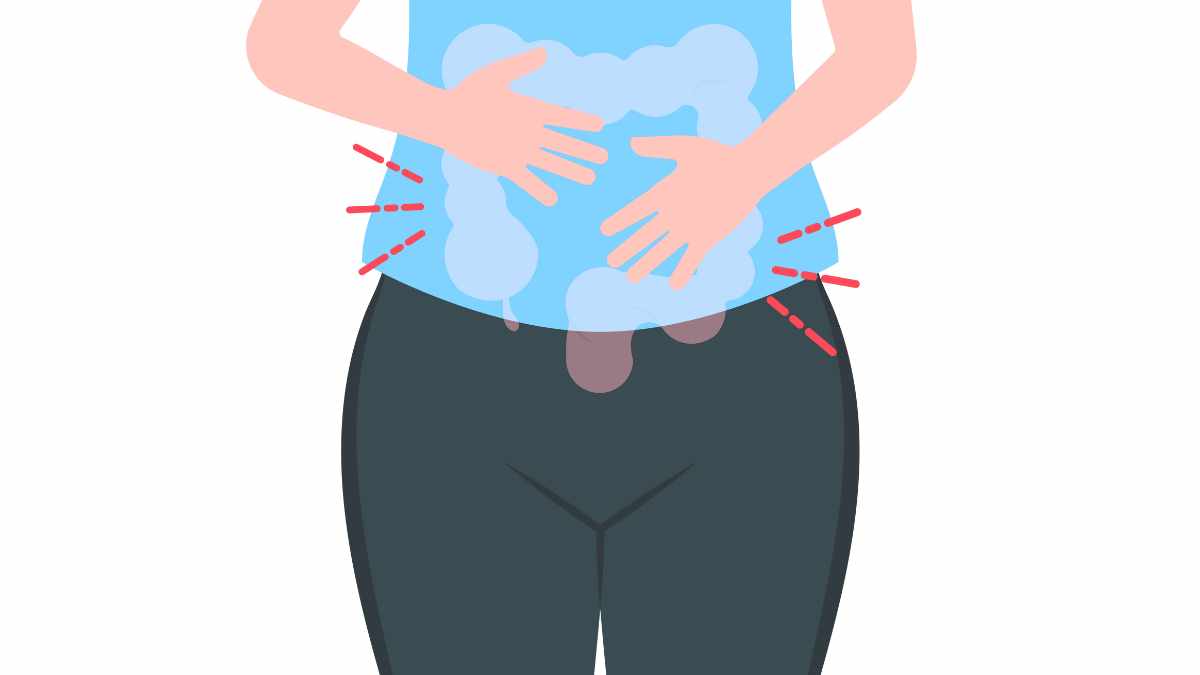

Introduction:
Irritable Bowel Syndrome (IBS) is a common gastrointestinal disorder that affects millions of people worldwide. Characterized by symptoms such as abdominal pain, bloating, and altered bowel habits, IBS can significantly impact a person’s quality of life. As patients seek effective ways to manage their symptoms, many turn to various therapies, including heat therapy. This article explores the reasons why heating pads may provide relief for individuals suffering from IBS, delving into the mechanisms behind heat therapy and examining both scientific evidence and patient experiences.
Understanding Irritable Bowel Syndrome and Its Symptoms
Irritable Bowel Syndrome is a functional gastrointestinal disorder, meaning it is characterized by symptoms without any identifiable structural abnormalities. The symptoms of IBS can vary widely among individuals but typically include abdominal pain, bloating, gas, and changes in bowel habits, which may manifest as diarrhea, constipation, or alternating episodes of both. These symptoms can be triggered by various factors, including dietary choices, stress, and hormonal changes, making IBS a complex condition to manage.
The psychological component of IBS is significant; many patients report that stress and anxiety exacerbate their symptoms. This connection between the mind and gut is well-documented, leading to the term "gut-brain axis," which describes how emotional states can influence gastrointestinal function. Understanding this relationship is crucial for developing effective management strategies for IBS, as it highlights the need for a holistic approach that addresses both physical and psychological symptoms.
Dietary modifications are often recommended for IBS management, including the elimination of certain foods that may trigger symptoms. However, these changes can take time to implement and may not provide immediate relief. As a result, many patients seek alternative therapies to alleviate discomfort, leading to the exploration of heat therapy as a potential option for symptom management.
In addition to dietary changes, lifestyle modifications such as regular exercise, stress management techniques, and adequate hydration are essential components of a comprehensive IBS management plan. However, the search for immediate relief often leads individuals to consider adjunct therapies, such as the use of heating pads, to help manage acute symptoms.
The Role of Heat Therapy in Pain Management
Heat therapy, commonly applied through heating pads, hot water bottles, or warm baths, has long been recognized as an effective method for relieving various types of pain. The application of heat increases blood flow to the affected area, promoting relaxation of muscles and tissues. This increased circulation can help alleviate pain and discomfort associated with muscle tension and spasms, making it a popular choice for individuals experiencing abdominal pain.
In the context of IBS, heat therapy may provide a soothing effect on the gastrointestinal tract. The warmth from a heating pad can help relax the muscles of the intestines, potentially reducing cramping and discomfort. This effect is particularly beneficial for those experiencing acute episodes of pain or bloating, as it offers a non-invasive and easily accessible method of relief.
Moreover, heat therapy can have a calming effect on the nervous system, which may be particularly advantageous for IBS patients who experience stress and anxiety. The warmth can promote relaxation, helping to mitigate the psychological factors that often exacerbate gastrointestinal symptoms. This dual action of addressing both physical and emotional discomfort makes heat therapy an appealing option for many individuals with IBS.
While heat therapy is not a cure for IBS, it serves as a complementary approach that can enhance overall symptom management. Its ease of use and immediate effects make it an attractive option for patients seeking quick relief from their symptoms, particularly during flare-ups.
Mechanisms of Action: How Heat Affects Gastrointestinal Function
The mechanisms by which heat therapy exerts its effects on gastrointestinal function are multifaceted. One primary action of heat is the relaxation of smooth muscle in the gastrointestinal tract. This relaxation can help alleviate spasms and cramping, which are common symptoms experienced by individuals with IBS. By reducing muscle tension, heat therapy can lead to a more comfortable state for the patient.
Additionally, heat therapy promotes vasodilation, or the widening of blood vessels, which enhances blood flow to the abdominal region. Increased blood flow can facilitate the delivery of oxygen and nutrients to tissues, supporting their function and promoting healing. This enhanced circulation may also aid in the removal of metabolic waste products, contributing to overall gastrointestinal health.
The calming effect of heat on the nervous system is another important mechanism. Heat can stimulate the release of endorphins, the body’s natural pain-relieving chemicals, which can help improve mood and reduce the perception of pain. This is particularly relevant for IBS patients, as psychological factors play a significant role in symptom exacerbation.
Furthermore, heat therapy may influence gastrointestinal motility, the movement of food through the digestive tract. By promoting relaxation of the intestinal muscles, heat can potentially help regulate bowel movements, alleviating both constipation and diarrhea symptoms that often accompany IBS.
Evidence Supporting Heating Pads for IBS Relief
While anecdotal evidence suggests that heating pads can provide relief for IBS symptoms, scientific research on this topic is still emerging. Some studies have indicated that heat therapy can effectively reduce abdominal pain and discomfort in various gastrointestinal disorders. For instance, a study published in the journal Gastroenterology found that heat application significantly decreased pain levels in patients with functional abdominal pain, a condition closely related to IBS.
Another study in the American Journal of Gastroenterology explored the use of heat therapy in patients with chronic abdominal pain and found that those who used heating pads reported a notable reduction in pain intensity. These findings support the idea that heat therapy may be beneficial for individuals with IBS, particularly during acute episodes of discomfort.
However, more rigorous clinical trials are needed to establish definitive conclusions regarding the efficacy of heating pads specifically for IBS. While existing studies provide promising insights, they often involve small sample sizes or focus on related conditions, making it challenging to generalize the findings to the broader IBS population.
Despite the need for further research, the existing evidence suggests that heat therapy can be a valuable tool for managing IBS symptoms. As patients continue to seek effective ways to alleviate their discomfort, heating pads may serve as a practical and accessible option for many individuals.
Patient Experiences: Anecdotal Evidence and Case Studies
Patient experiences often provide valuable insights into the effectiveness of various treatment modalities, including heat therapy. Many individuals with IBS report that the use of heating pads has significantly improved their quality of life by providing immediate relief from abdominal pain and discomfort. These anecdotal accounts highlight the subjective nature of symptom management and the importance of individualized approaches.
Case studies have documented instances where patients experienced a marked reduction in symptoms after incorporating heat therapy into their management routines. For example, one patient reported that applying a heating pad during flare-ups not only alleviated pain but also helped them feel more relaxed and in control of their symptoms. Such experiences underscore the potential benefits of heat therapy as a complementary treatment option for IBS.
Moreover, the accessibility and ease of use of heating pads make them a popular choice among patients. Unlike some pharmacological treatments, which may come with side effects or require prescriptions, heating pads are readily available and can be used at home without medical supervision. This convenience allows patients to take an active role in their symptom management, fostering a sense of empowerment.
While anecdotal evidence should be interpreted with caution, the consistent positive feedback from patients suggests that heat therapy may play a meaningful role in managing IBS symptoms. As healthcare providers continue to explore holistic approaches to IBS management, incorporating patient experiences can inform treatment strategies and enhance overall care.
Safety Considerations and Best Practices for Use
While heat therapy is generally considered safe for most individuals, there are important safety considerations to keep in mind. It is crucial to avoid applying heat directly to the skin for prolonged periods, as this can lead to burns or skin irritation. Instead, it is advisable to use a heating pad with a protective cover or wrap it in a towel to prevent direct contact with the skin.
Patients should also be mindful of the temperature settings on their heating pads. Using a moderate heat setting is often sufficient to achieve the desired therapeutic effects without risking injury. It is essential to monitor the application time, limiting sessions to 15-20 minutes to prevent overheating and discomfort.
Individuals with certain medical conditions, such as diabetes or circulatory issues, should consult with their healthcare providers before using heat therapy. These conditions may increase the risk of adverse effects from heat application, necessitating a tailored approach to symptom management.
Lastly, while heat therapy can provide temporary relief, it should not replace comprehensive treatment plans for IBS. Patients are encouraged to combine heat therapy with other management strategies, such as dietary modifications and stress reduction techniques, to achieve optimal symptom control.
Conclusions:
In summary, heating pads can serve as a valuable adjunct therapy for individuals suffering from Irritable Bowel Syndrome. By promoting relaxation of the gastrointestinal muscles, enhancing blood flow, and providing psychological comfort, heat therapy addresses multiple facets of IBS symptomatology. While more research is needed to solidify its efficacy specifically for IBS, patient experiences and existing studies suggest that heating pads can significantly improve quality of life for many individuals. As always, patients should consult with healthcare professionals to develop a comprehensive management plan tailored to their unique needs.
Read more
-
Irritable Bowel Syndrome (IBS) – National Institute of Diabetes and Digestive and Kidney Diseases – An overview of IBS, including symptoms, causes, and treatment options.
-
Heat Therapy for Pain Relief – American Academy of Family Physicians – Discusses the benefits and mechanisms of heat therapy for pain management.
-
The Gut-Brain Connection: A Review of the Evidence – National Center for Biotechnology Information – Explores the relationship between psychological factors and gastrointestinal disorders.
-
Management of Irritable Bowel Syndrome – American College of Gastroenterology – A comprehensive guideline on the management of IBS, including dietary and therapeutic interventions.
-
The Role of Heat in Pain Management – Pain Management Nursing – A review of the effects of heat therapy on pain relief and its applications in various conditions.