

Se hai un abbonamento attivo ACCEDI QUI
Introduction:
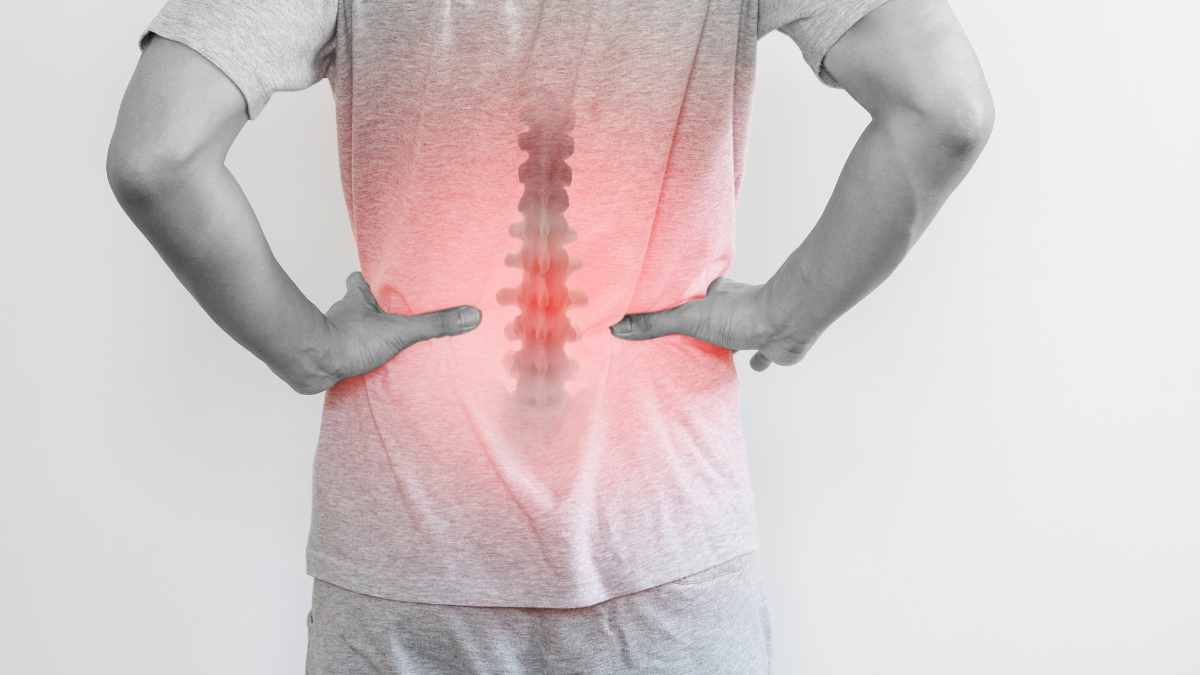
Lower back discomfort is a prevalent issue that affects millions of individuals worldwide. The lower back, or lumbar region, is a complex structure composed of vertebrae, muscles, ligaments, and nerves. Understanding how to alleviate pressure in this area is crucial for maintaining a healthy lifestyle and preventing chronic pain. This article will explore the anatomy of the lower back, common causes of discomfort, effective stretching techniques, ergonomic adjustments, strengthening exercises, and when to seek professional help.
Understanding the Anatomy of the Lower Back and Its Stressors
The lower back consists of five lumbar vertebrae, intervertebral discs, and surrounding muscles and ligaments. These components work together to provide support, flexibility, and movement. The lumbar spine bears much of the body’s weight, making it susceptible to stress and injury. The intervertebral discs act as shock absorbers, cushioning the vertebrae during movement and providing stability.
Several factors contribute to the stress experienced in the lower back. Postural habits, repetitive movements, and sedentary lifestyles can significantly impact the lumbar region. For instance, prolonged sitting or standing in one position can lead to muscle fatigue and strain. Additionally, improper lifting techniques can place undue pressure on the lower back, increasing the risk of injury.
The lower back is also influenced by external stressors, such as emotional and psychological factors. Stress and anxiety can lead to muscle tension, exacerbating discomfort in the lumbar region. Understanding the interplay between physical and emotional stressors is essential for developing effective strategies to alleviate pressure on the lower back.
Lastly, the aging process can contribute to lower back issues. As individuals age, the intervertebral discs lose hydration and elasticity, leading to degenerative changes. This natural wear and tear can result in conditions such as herniated discs, spinal stenosis, and osteoarthritis, all of which can cause significant discomfort.
Common Causes of Lower Back Pressure and Discomfort
One of the most common causes of lower back discomfort is muscle strain. Overexertion during physical activities, sudden movements, or lifting heavy objects improperly can lead to muscle strains. These strains can cause inflammation and pain, making it difficult to perform daily tasks.
Another prevalent cause of lower back pressure is poor posture. Slouching while sitting or standing can place excessive strain on the lumbar spine. This misalignment can lead to muscle imbalances and chronic discomfort. Maintaining proper posture is essential for reducing pressure on the lower back and promoting overall spinal health.
In addition to muscle strain and poor posture, underlying medical conditions can also contribute to lower back pain. Conditions such as sciatica, herniated discs, and spinal stenosis can cause radiating pain and discomfort. These issues often require medical intervention and should not be overlooked.
Lastly, lifestyle factors such as obesity and lack of physical activity can exacerbate lower back pressure. Excess weight places additional strain on the lumbar region, leading to discomfort. Engaging in regular physical activity and maintaining a healthy weight are crucial for preventing lower back issues.
Effective Stretching Techniques to Alleviate Lower Back Strain
Incorporating stretching into your daily routine can significantly alleviate lower back strain. Gentle stretches help improve flexibility, reduce muscle tension, and promote blood flow to the area. One effective stretch is the child’s pose, which gently stretches the lower back and hips. To perform this stretch, kneel on the floor, sit back on your heels, and reach your arms forward while lowering your torso toward the ground.
Another beneficial stretch is the cat-cow stretch, which encourages spinal mobility. Begin on your hands and knees, arch your back while inhaling (cat), and then lower your belly while lifting your head and tailbone as you exhale (cow). This dynamic movement helps relieve tension in the lower back and promotes flexibility.
The piriformis stretch is also effective for alleviating lower back discomfort. This stretch targets the piriformis muscle, which can contribute to sciatic pain when tight. To perform this stretch, lie on your back, cross one ankle over the opposite knee, and gently pull the uncrossed leg toward your chest.
Finally, the hamstring stretch can help reduce tension in the lower back. Tight hamstrings can pull on the pelvis, leading to discomfort. To perform this stretch, sit on the floor with one leg extended and the other bent. Reach toward the toes of the extended leg while keeping your back straight.
Ergonomic Adjustments for Daily Activities and Workspaces
Making ergonomic adjustments in your daily life can significantly reduce pressure on the lower back. Proper workstation setup is crucial for maintaining good posture and preventing discomfort. Ensure that your chair supports your lower back, your feet are flat on the ground, and your computer screen is at eye level to avoid slouching.
When lifting heavy objects, it’s essential to use proper techniques. Bend at the knees rather than the waist, keeping your back straight and the object close to your body. This technique minimizes strain on the lower back and reduces the risk of injury.
Incorporating movement into your daily routine can also alleviate lower back pressure. Take regular breaks to stand, stretch, and walk around, especially if you have a sedentary job. This practice promotes circulation and helps prevent muscle stiffness.
Additionally, consider using supportive devices such as lumbar rolls or ergonomic chairs. These tools can provide additional support to the lower back, helping to maintain proper alignment during prolonged sitting. Investing in ergonomic furniture can have long-term benefits for your spinal health.
Strengthening Exercises to Support Lower Back Health
Strengthening the muscles that support the lower back is essential for preventing discomfort. Core exercises, in particular, play a crucial role in stabilizing the lumbar region. Planks, bridges, and pelvic tilts are effective exercises that engage the core muscles and promote lower back stability.
The bird-dog exercise is another excellent option for strengthening the lower back. Begin on your hands and knees, extend one arm and the opposite leg while keeping your back straight. This exercise enhances coordination and stability, helping to support the lumbar spine.
Incorporating resistance training into your routine can also benefit lower back health. Exercises such as deadlifts and squats, when performed with proper form, can strengthen the muscles surrounding the lower back. It’s essential to start with lighter weights and focus on technique to prevent injury.
Lastly, yoga can be a beneficial practice for strengthening the lower back. Many yoga poses, such as downward dog and warrior poses, promote strength, flexibility, and balance. Regular practice can help alleviate discomfort and improve overall spinal health.
When to Seek Professional Help for Lower Back Issues
While many lower back issues can be managed at home, certain situations warrant professional intervention. If you experience persistent pain that does not improve with rest or home remedies, it may be time to seek medical advice. A healthcare professional can assess your condition and recommend appropriate treatment options.
Additionally, if you experience radiating pain, numbness, or weakness in your legs, it is crucial to seek immediate medical attention. These symptoms may indicate a more serious underlying condition, such as a herniated disc or nerve impingement. Early intervention can prevent further complications and promote a faster recovery.
If your lower back discomfort is accompanied by other concerning symptoms, such as unexplained weight loss, fever, or changes in bowel or bladder function, it is essential to consult a healthcare provider. These symptoms may indicate a more serious medical issue that requires prompt evaluation.
Finally, if you are unsure about the appropriate exercises or stretches for your condition, consider seeking guidance from a physical therapist. A qualified professional can design a personalized program tailored to your specific needs, helping you achieve optimal lower back health.
Conclusions:
Taking pressure off the lower back involves a multifaceted approach that includes understanding the anatomy, recognizing common causes of discomfort, implementing effective stretching and strengthening techniques, and making ergonomic adjustments in daily life. By being proactive and attentive to your body, you can significantly reduce lower back pressure and enhance your overall well-being. If discomfort persists or worsens, do not hesitate to seek professional help to ensure proper diagnosis and treatment.
Read more
-
Mayo Clinic – Low Back Pain – A comprehensive overview of low back pain, its causes, symptoms, and treatment options.
-
American Chiropractic Association – Back Pain – Information on back pain, including prevention tips and chiropractic care.
-
Cleveland Clinic – Back Pain – An in-depth resource detailing the causes, symptoms, and treatment of back pain.
-
Harvard Health Publishing – Back Pain – Insights from Harvard Medical School on understanding and managing back pain.
-
WebMD – Back Pain Overview – A user-friendly guide to understanding back pain, including causes, treatments, and self-care tips.